
Blog & Insights
Explore expert lighting guides, application knowledge, technical resources and industry insights for architects, lighting designers, distributors and project professionals. Learn how to create better lighting solutions through practical experience and engineering expertise.
Artdon Lighting Insights
VIEW ALL →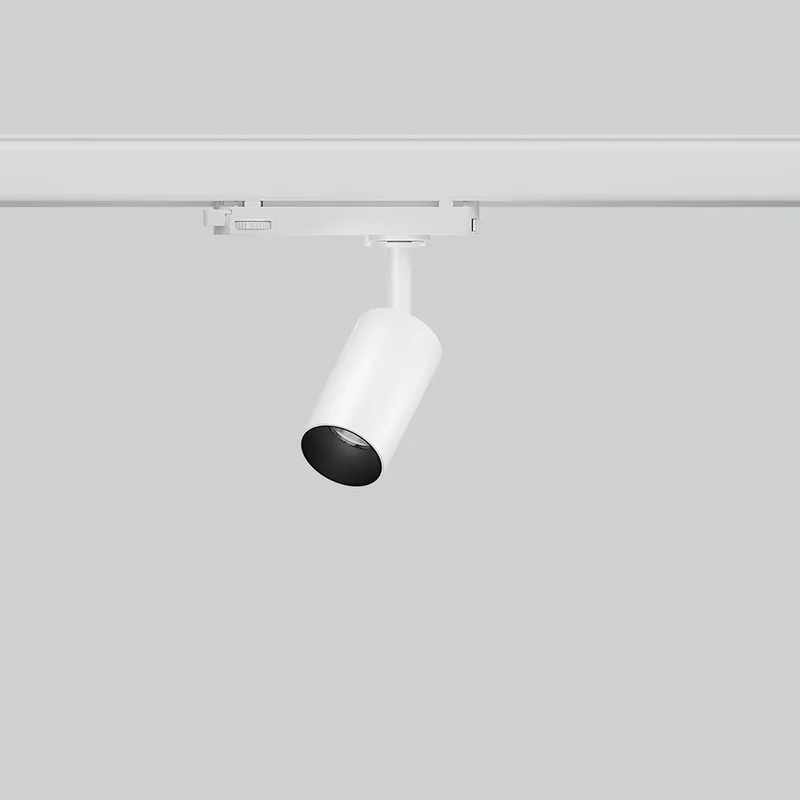
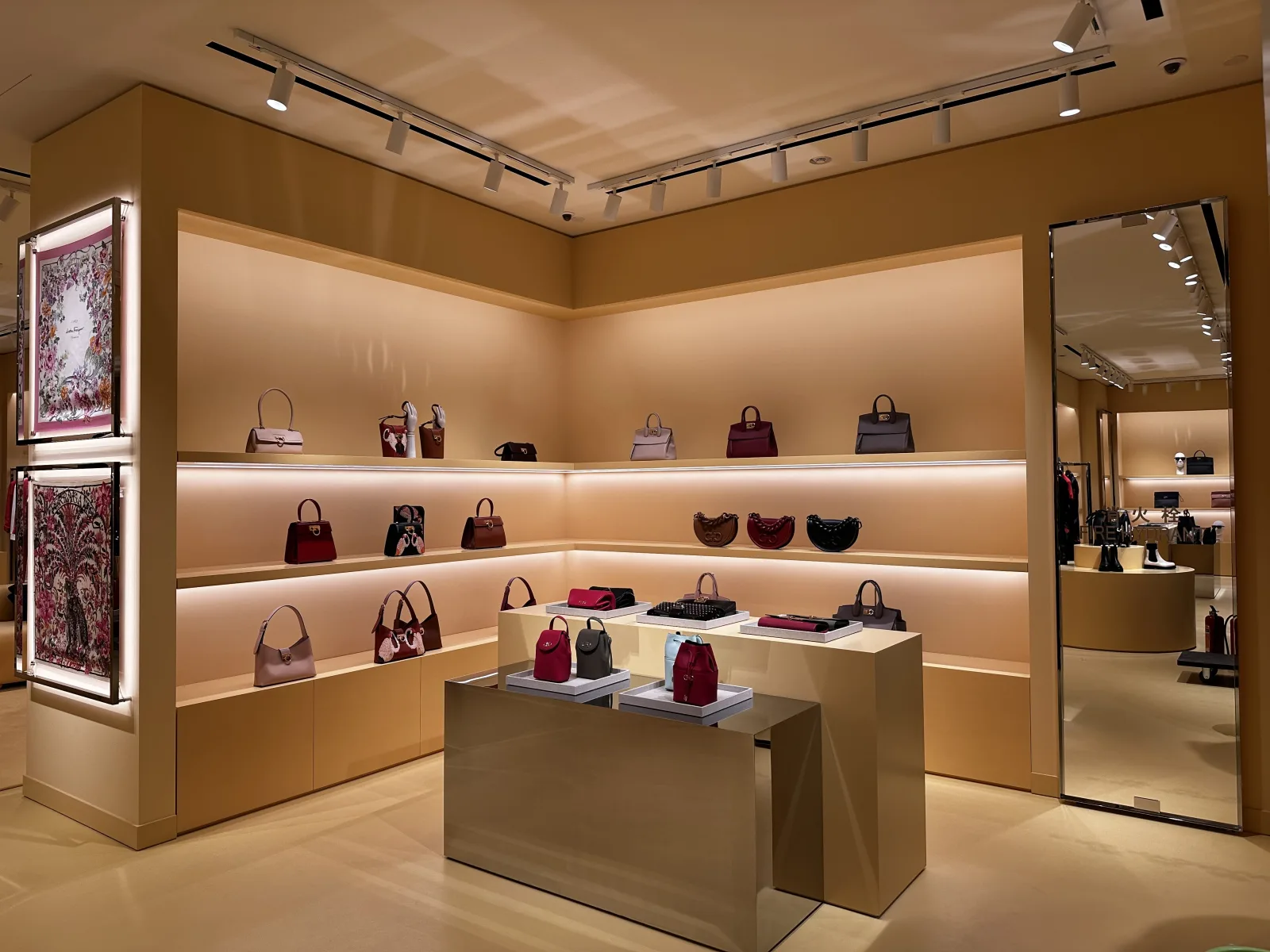
Why 6°-8° Beam Angle Spotlights Are Needed for High Ceiling Spaces
Many 8-10m retail, museum and gallery spaces need ultra narrow 6-8 degree spotlights because ordinary beams spread too widely before reaching artworks, merchandise or display objects.
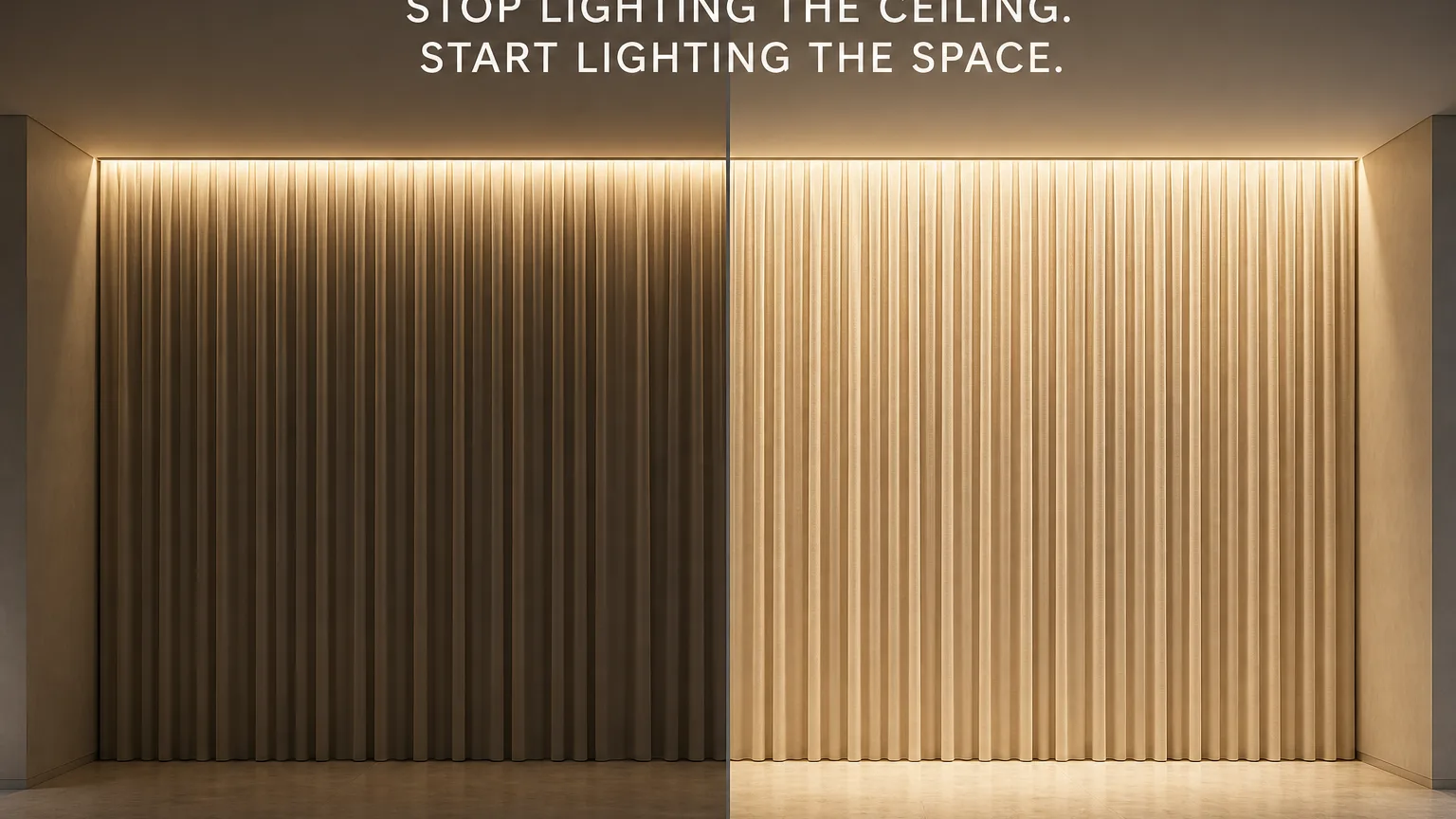
Why Traditional LED Strips Fail to Illuminate Full-Height Curtains
Why does a curtain glow at the top but remain dark below? This guide explains how optical distribution, beam angle and on-site adjustment determine whether linear light reaches the surface that actually needs illumination.
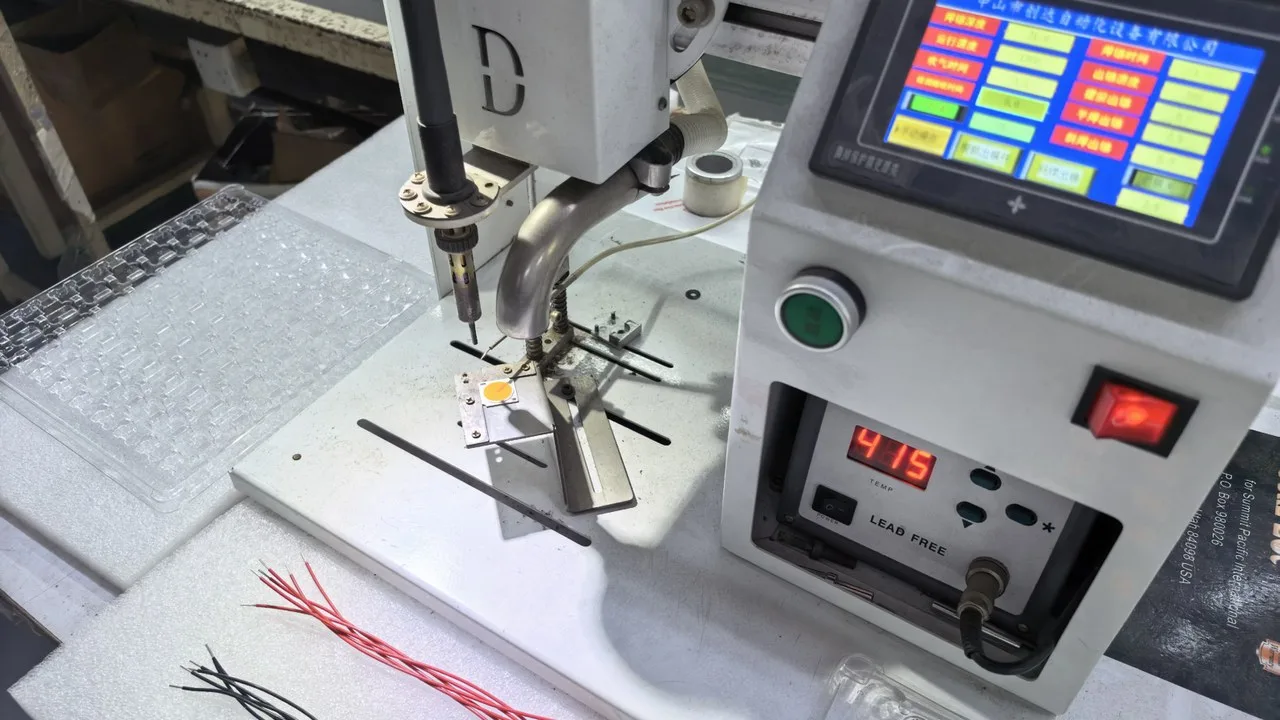
Why Machine Chip Soldering Matters for Stable LED Quality
Stable LED quality is not only a promise. It depends on how every chip is handled, aligned and soldered. See how machine soldering and anti-static operation help reduce hidden production variation.
Lighting Knowledge
VIEW ALL →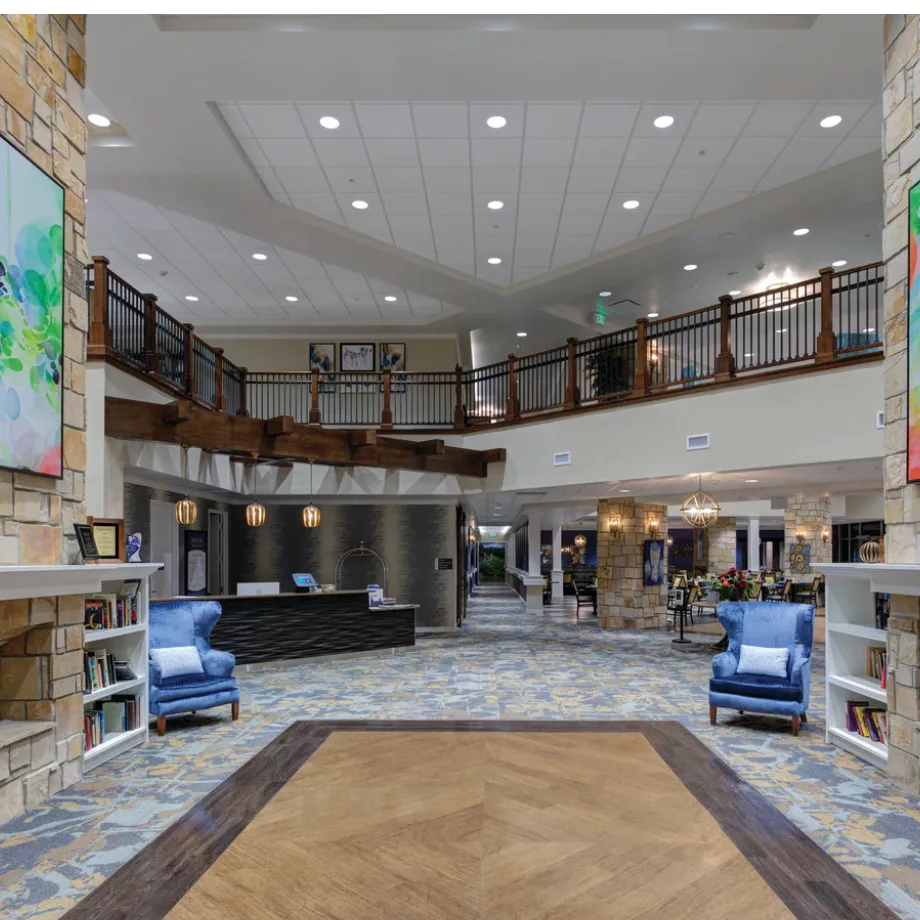
What Is UGR Rating? How to Reduce Glare in Commercial Lighting
UGR rating helps assess discomfort glare in defined indoor lighting conditions. Learn what UGR means, its limitations and how luminaires, layout, shielding and surface brightness reduce glare in commercial spaces.
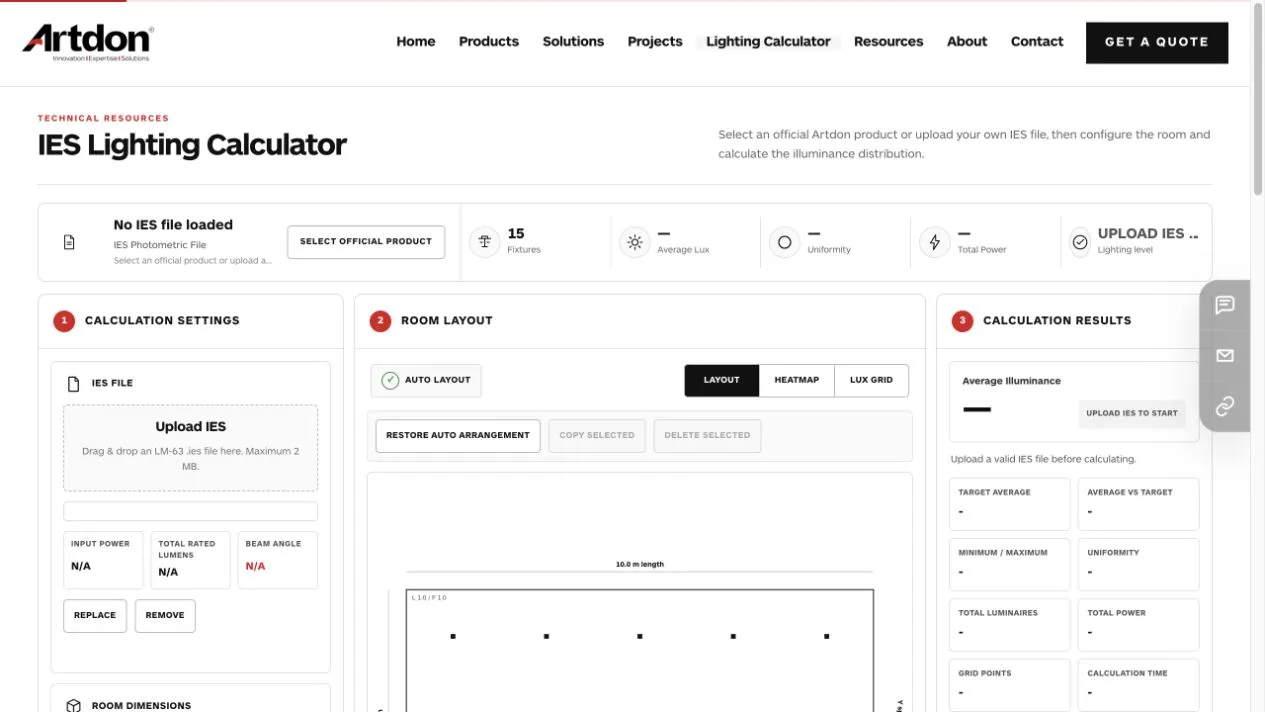
How to Check Lux Levels Before Choosing LED Downlights
Before choosing LED downlights, use IES files, room dimensions and a lux heatmap to check whether the lighting plan can meet the required brightness, uniformity and visual comfort.
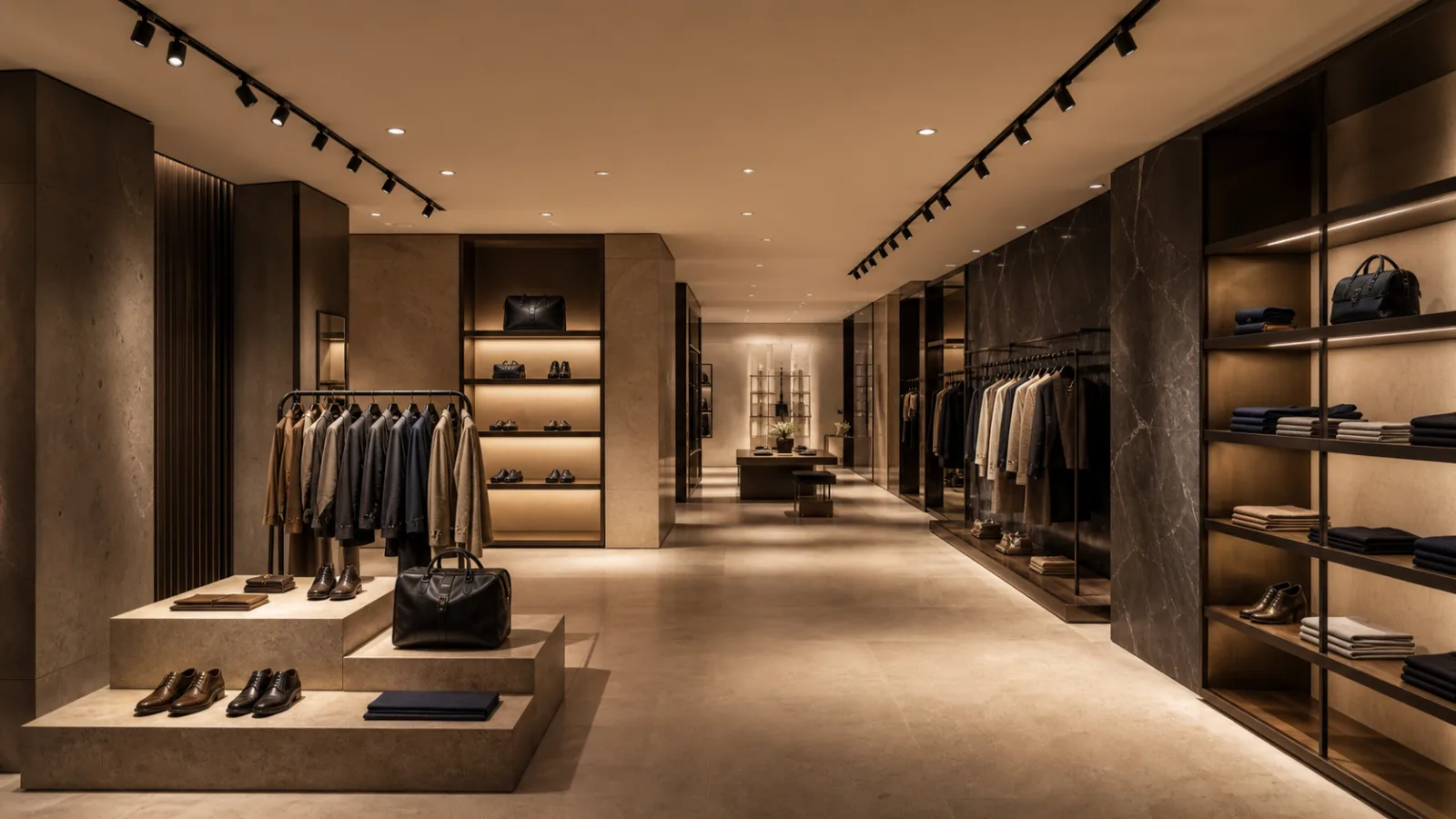
Lighting Uniformity: How to Balance Comfort and Visual Impact
Lighting uniformity is not simply about making every surface equally bright. Learn how designers balance average illuminance, minimum levels, contrast and visual hierarchy in retail, hospitality and commercial interiors.
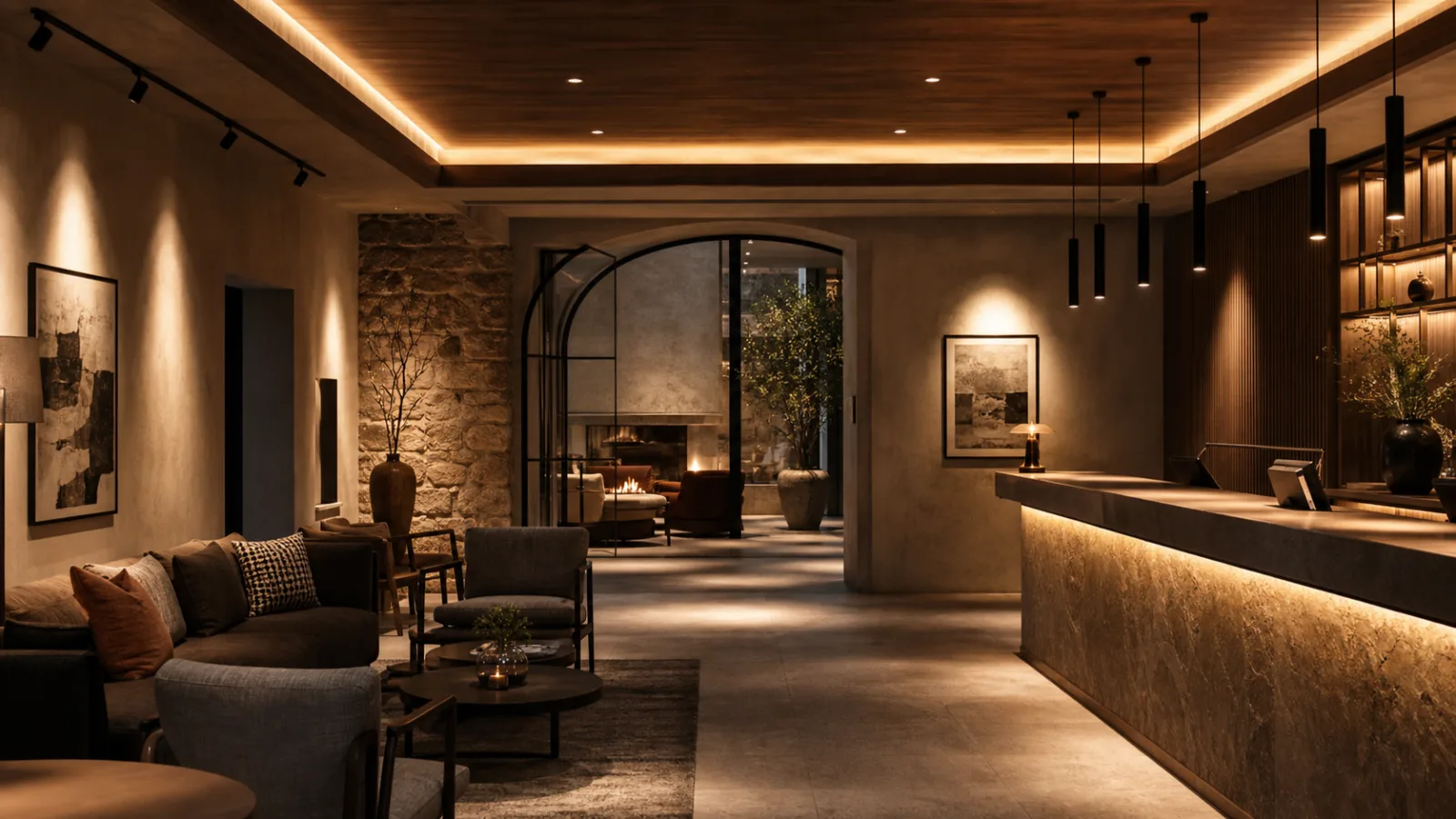
Layered Lighting Design: Ambient, Task and Accent Light
Layered lighting combines ambient, task and accent light to create comfortable, flexible and visually engaging commercial interiors. Learn how to plan each layer and control them as one system.
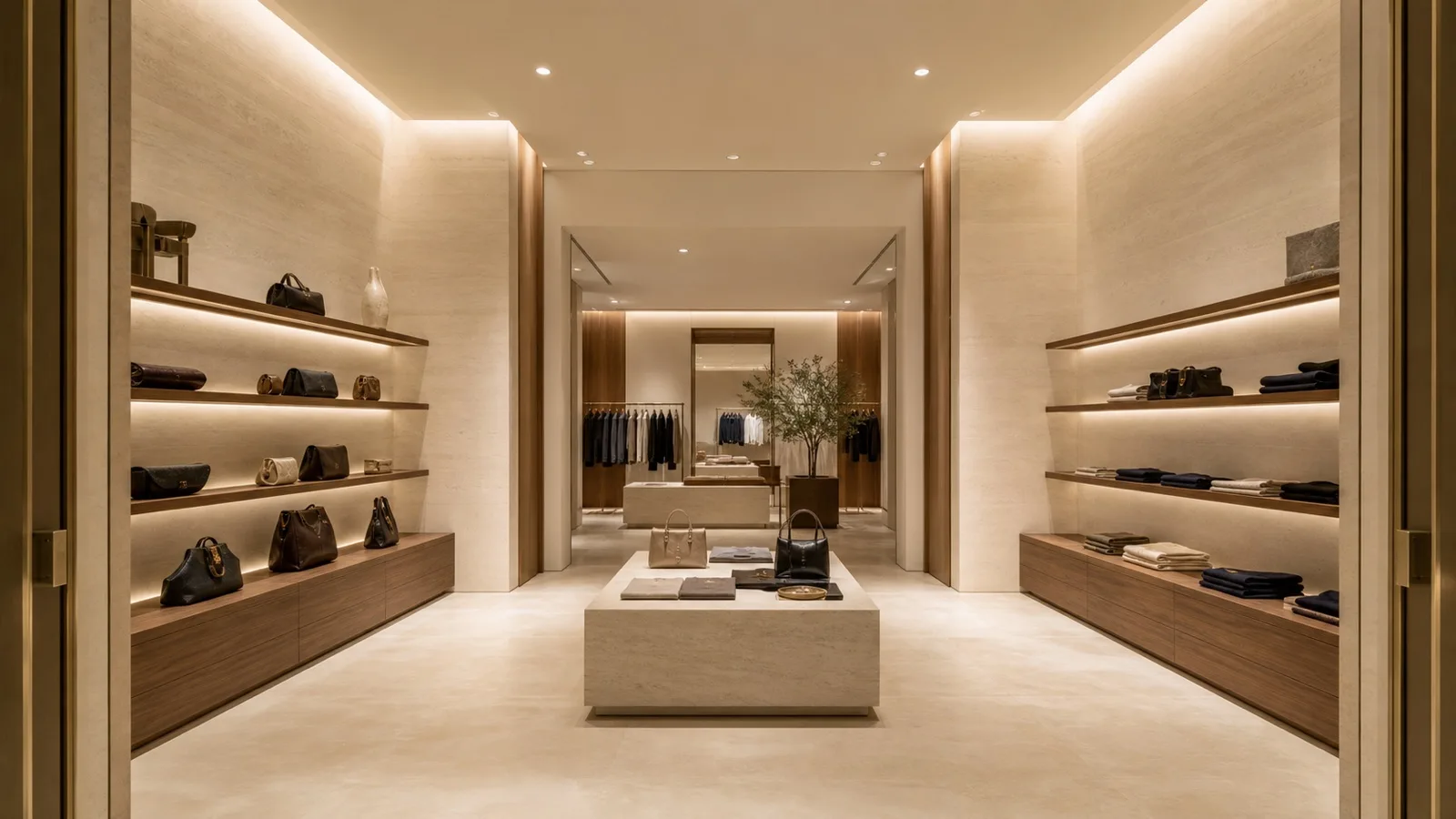
Vertical Illuminance in Retail: Lighting Walls and Merchandise
Learn why vertical illuminance matters in retail design and how wallwashing, shelf lighting and aimed accent light improve merchandise visibility, facial recognition and spatial brightness.
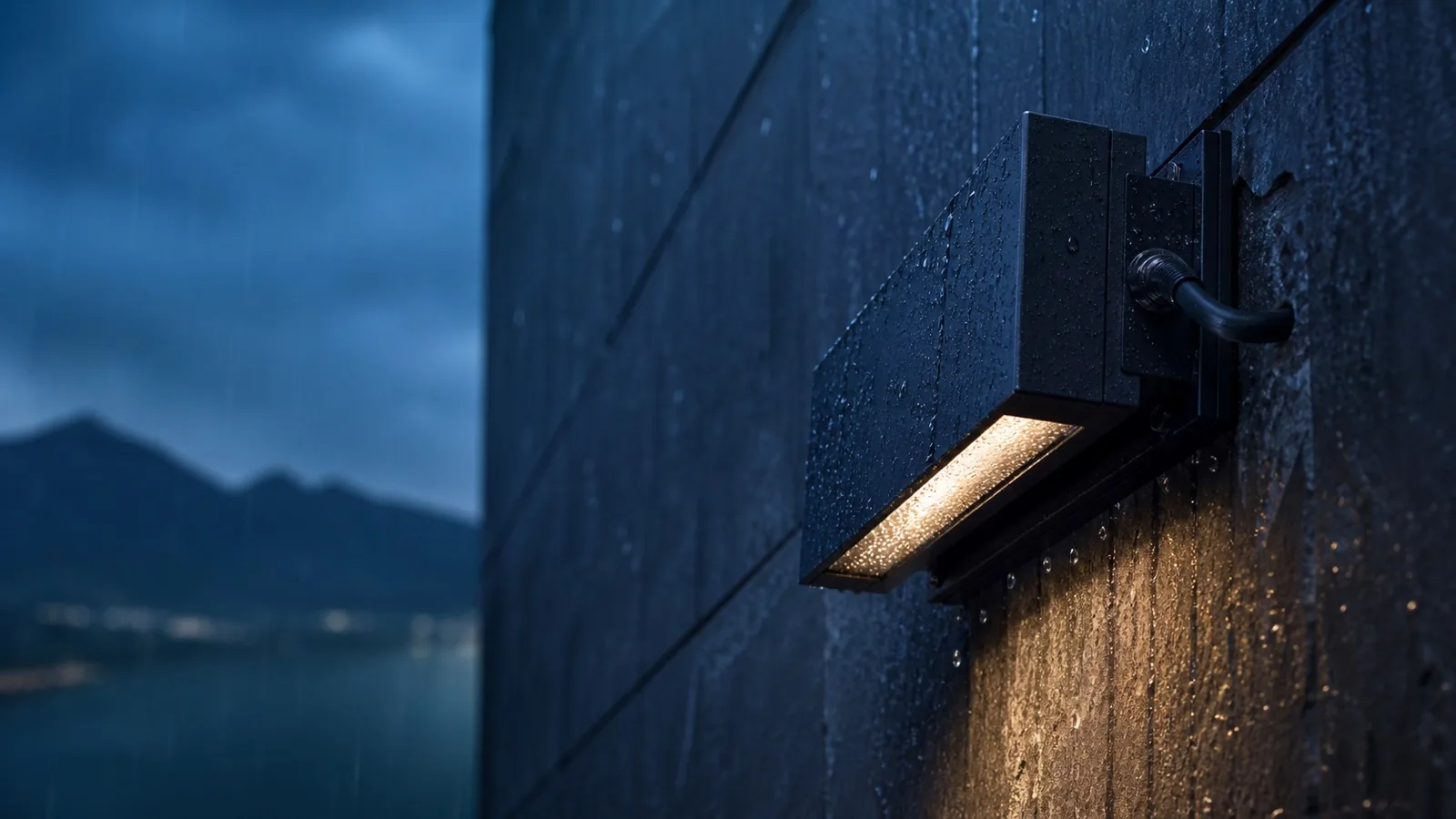
IP Ratings Explained for Outdoor Architectural Lighting
Understand what IP ratings mean and how to select outdoor luminaires for rain, dust, landscapes, facades and other demanding architectural environments.
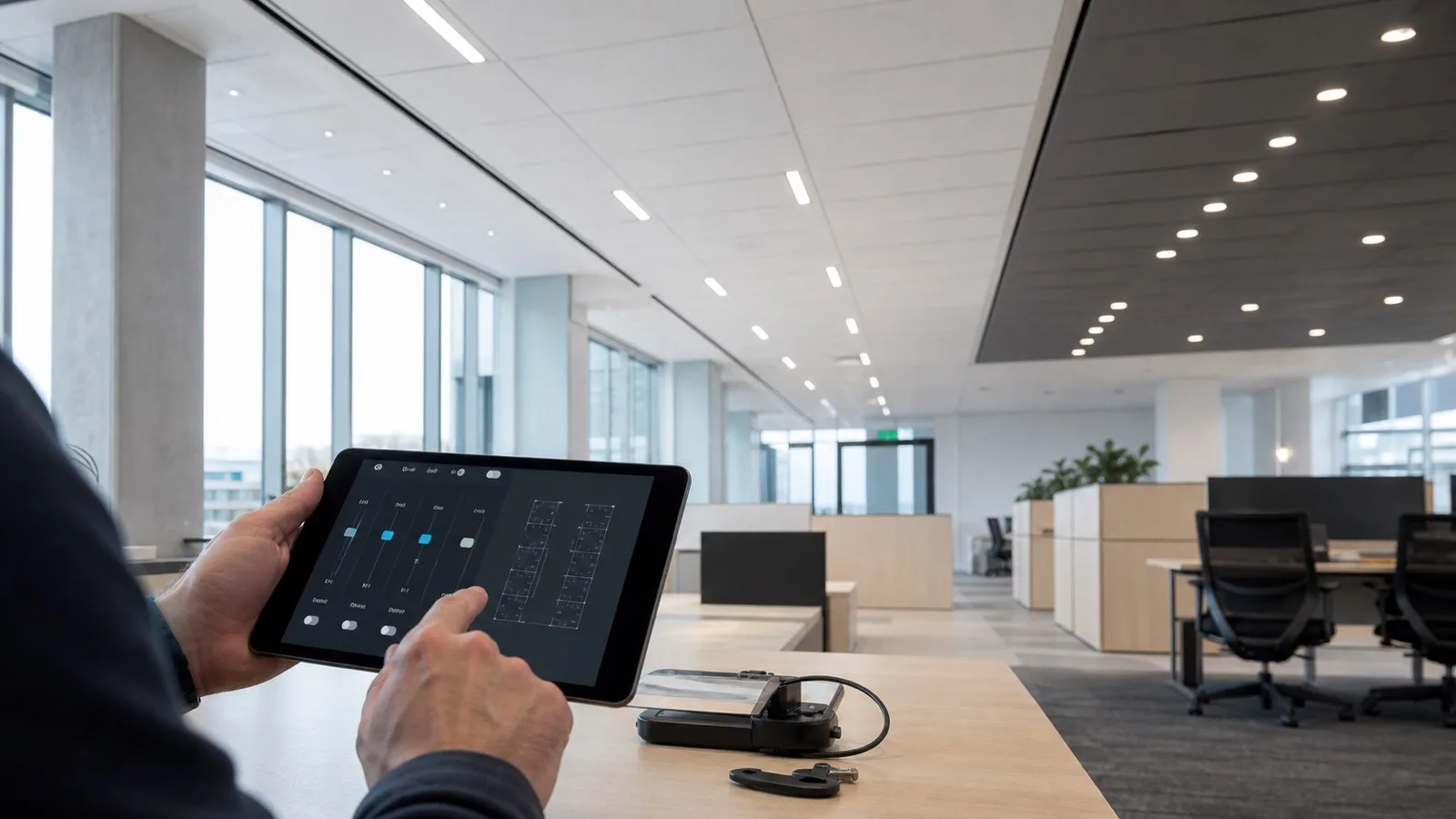
DALI vs 0-10V: How to Choose a Lighting Control System
Compare DALI and 0-10V dimming in terms of wiring, addressing, flexibility, commissioning and project scale to choose the right lighting control approach.
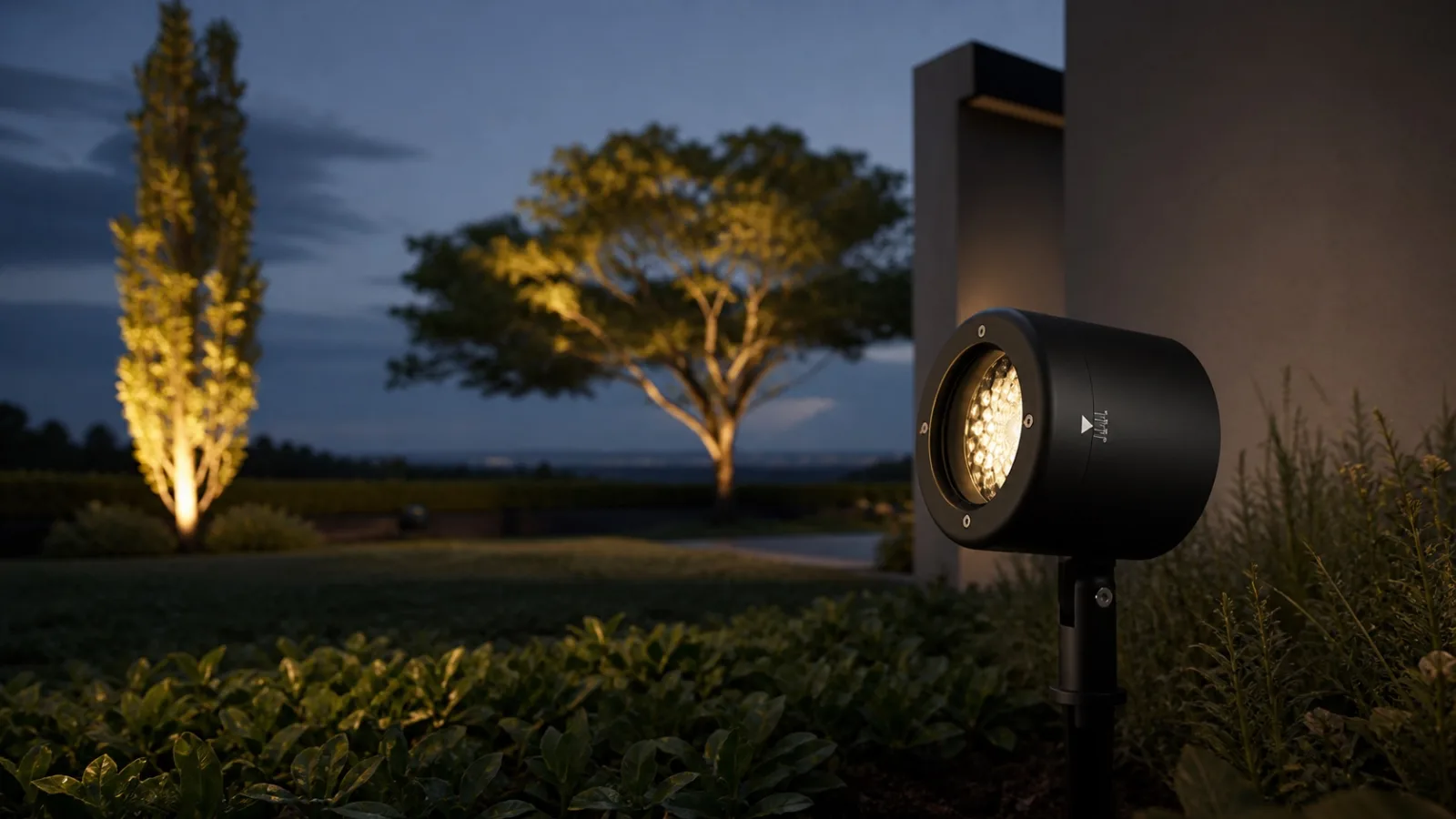
How Adjustable Beam Outdoor Spotlights Reduce Inventory and Improve Landscape Lighting
Adjustable zoom outdoor spotlights let one luminaire cover different trees, walls and landscape features—reducing fixed-beam SKUs while improving long-term project flexibility.
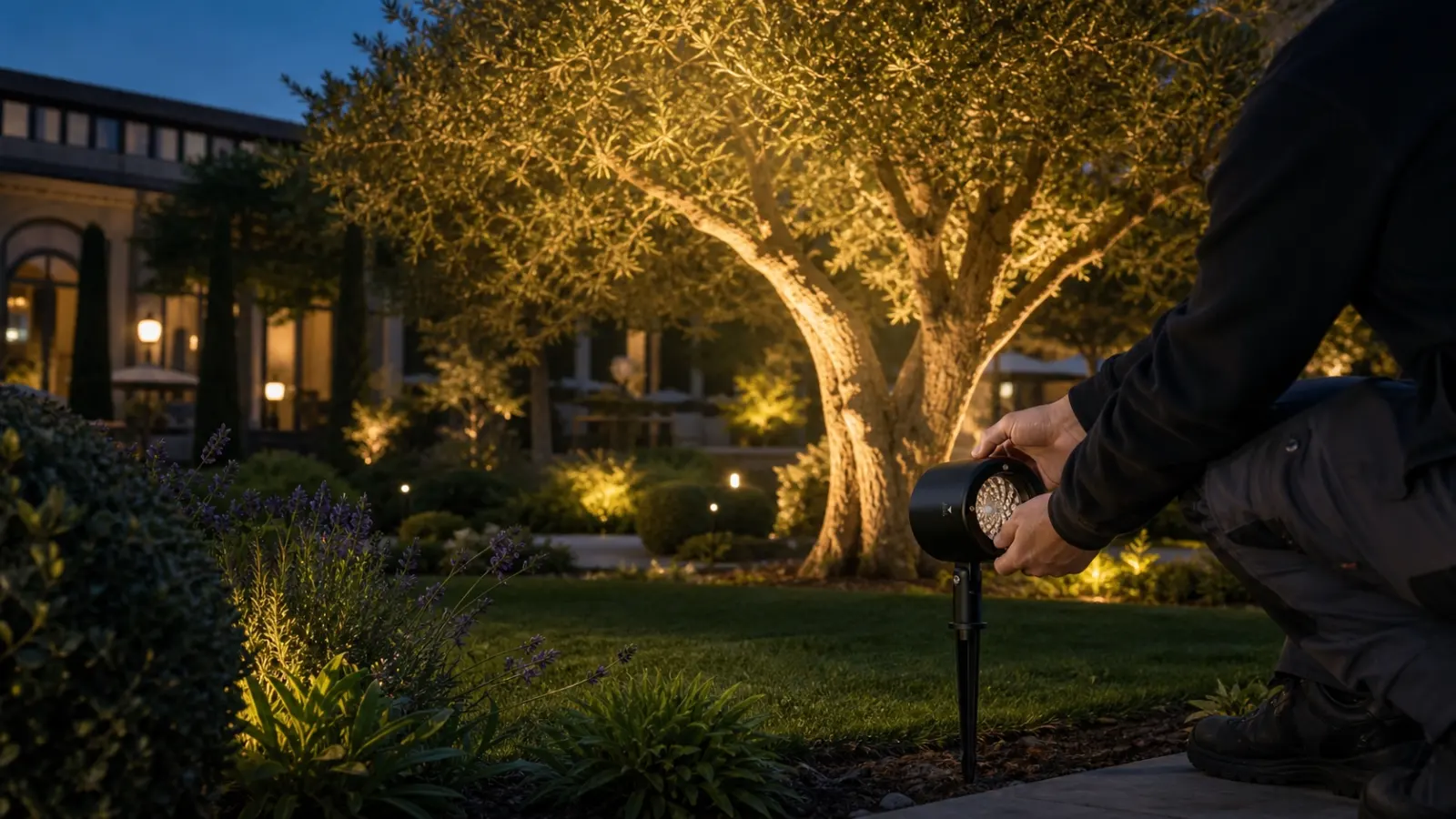
How to Light Trees as They Grow: Future-Proof Landscape Lighting Design
Tree lighting should evolve with the landscape. Learn how adjustable beam spotlights, careful aiming and scheduled refocusing keep outdoor lighting effective as planting matures.
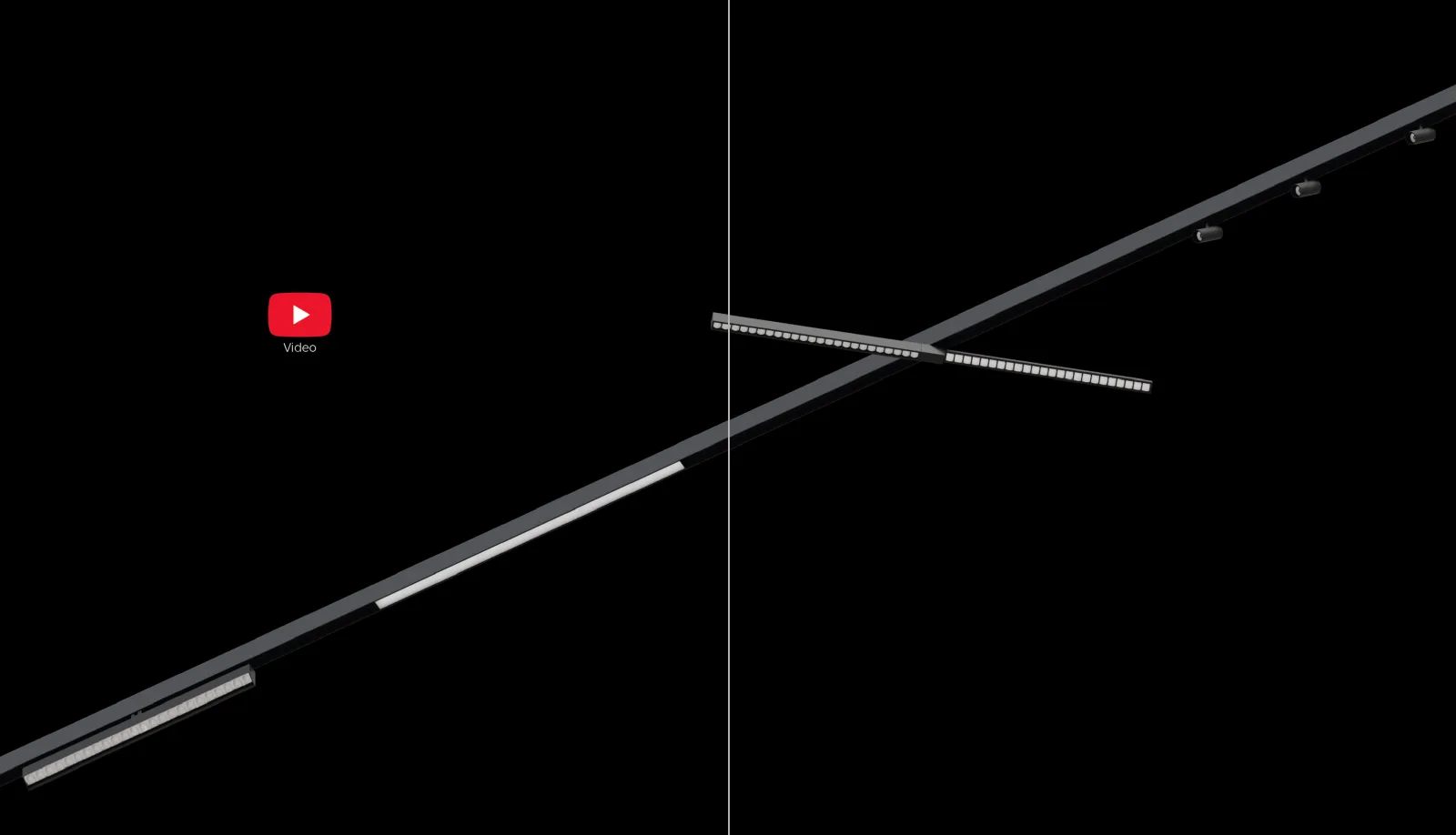
Can Magnetic Track Lighting Be Made in 24V Instead of 48V?
Can a 24V magnetic track system support your project safely? Compare current, theoretical capacity, voltage drop and system compatibility before choosing 24V or 48V.
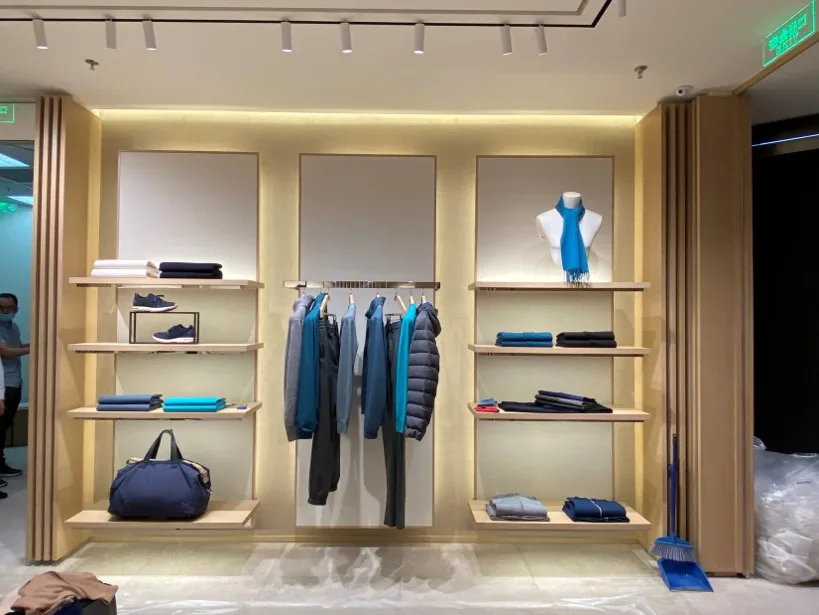
How to Choose the Right Beam Angle for Architectural Lighting
Choose beam angles by relating throw distance, target size, illuminance, overlap and visual hierarchy rather than selecting narrow or wide optics by habit.
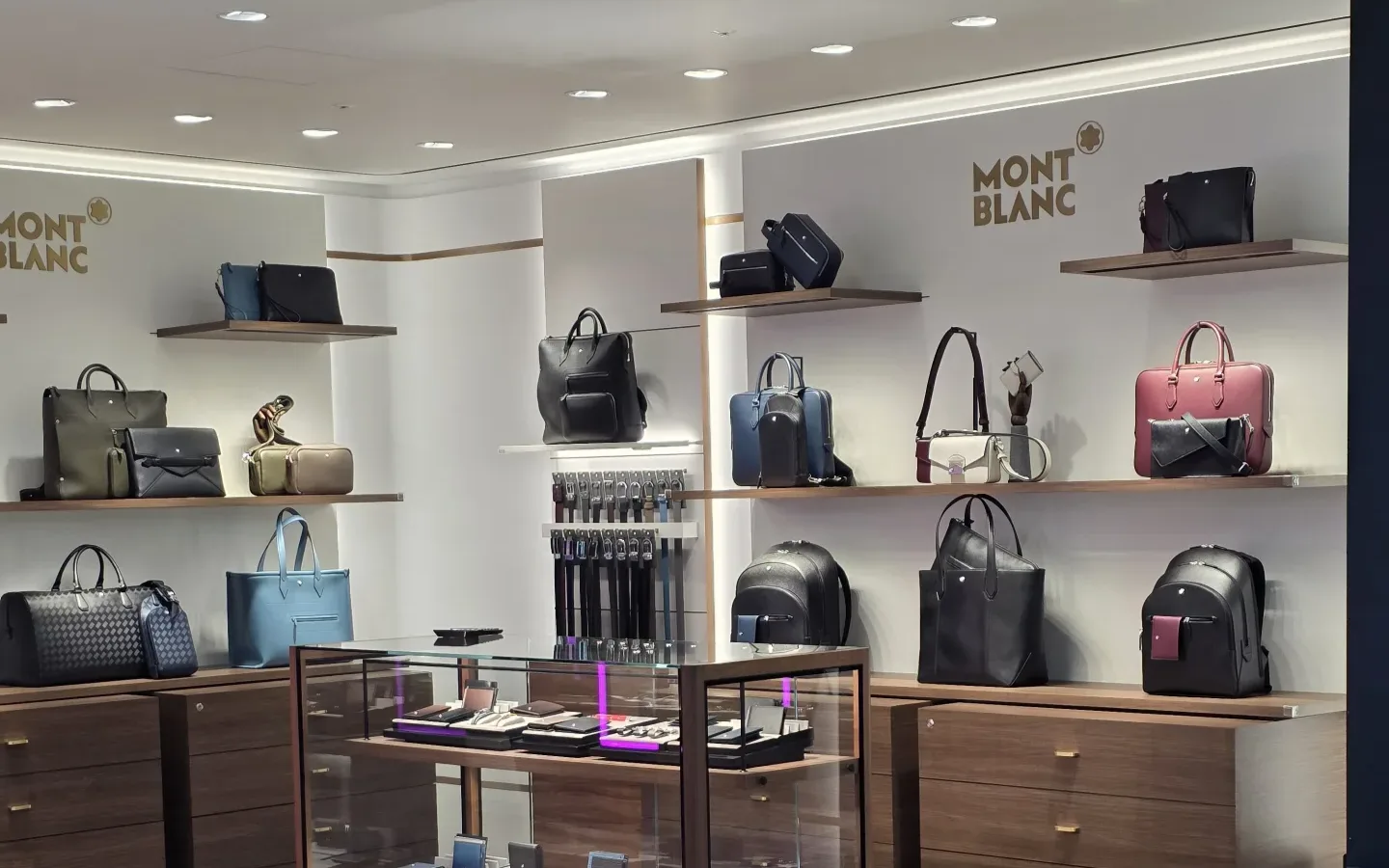
What Is High CRI Lighting? Why Color Rendering Matters in Retail and Hospitality
High CRI lighting helps products, finishes, food and skin tones appear natural and credible. Learn how CRI, R9, TM-30, spectrum and consistency affect retail and hospitality lighting decisions.
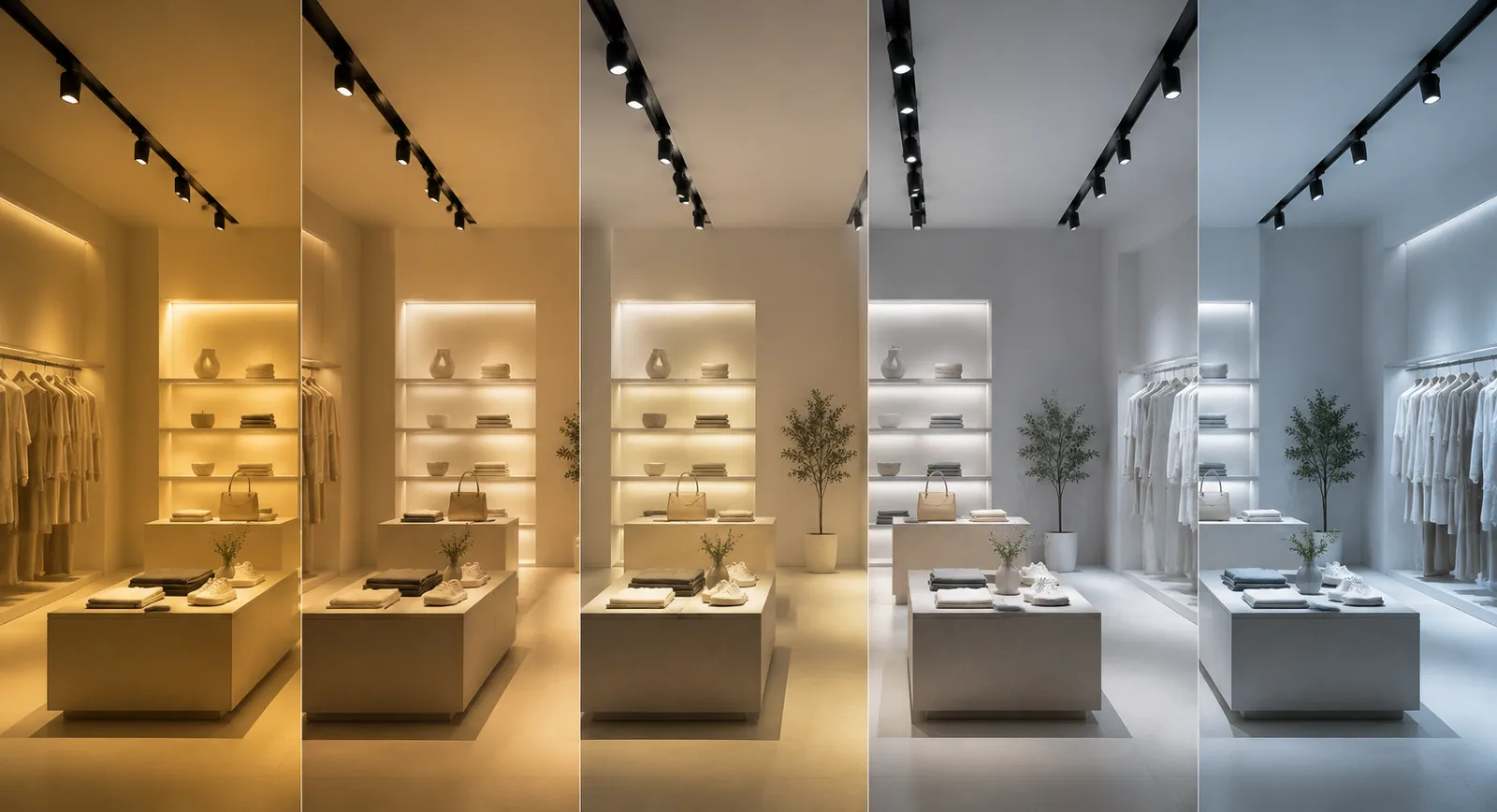
Understanding CCT: How to Choose the Right Color Temperature
CCT describes the warm-to-cool appearance of white light. Selection should respond to materials, time of use, daylight, brand atmosphere and source consistency.
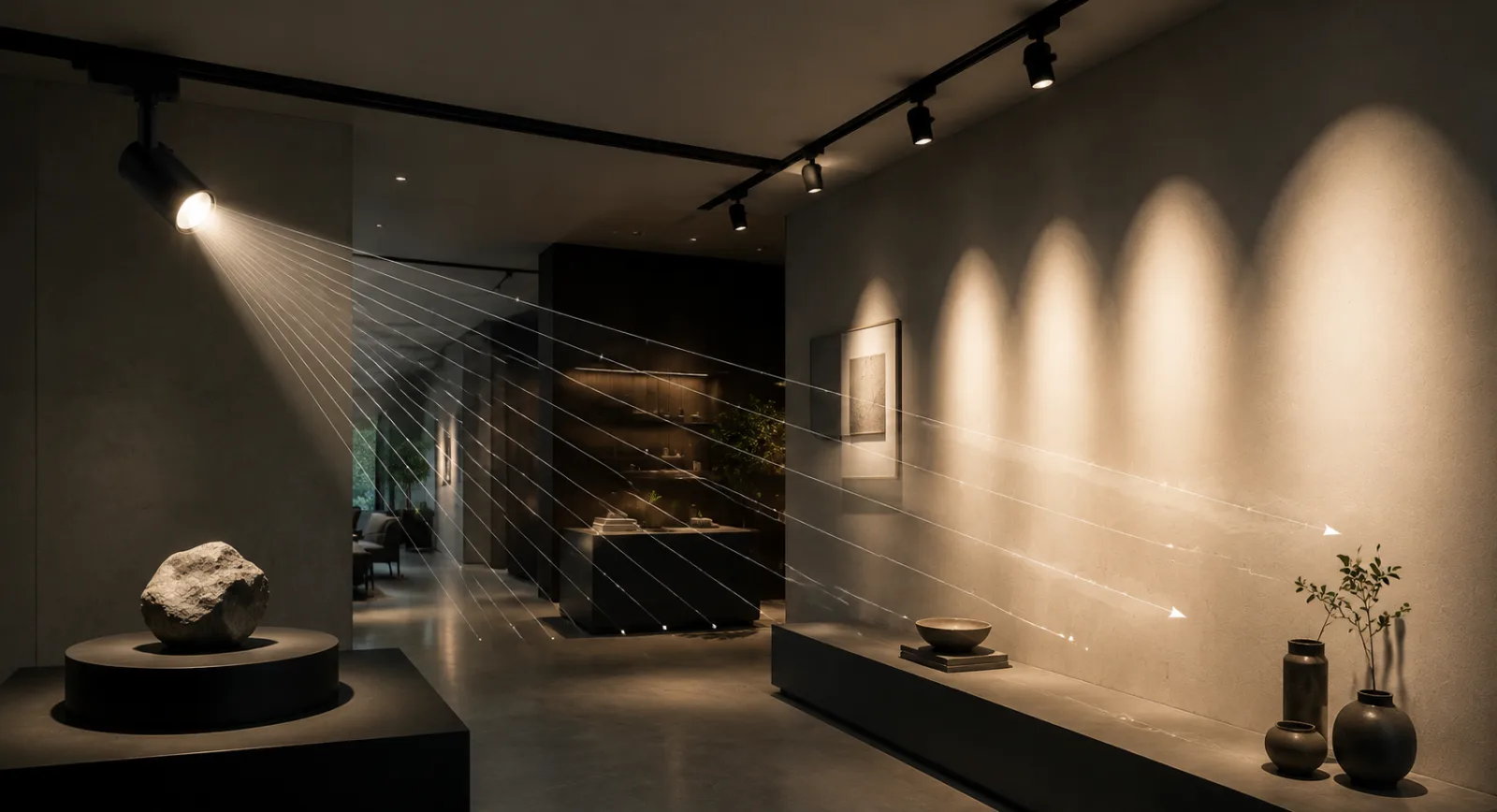
Lux vs Lumen: What's the Difference?
Lumens quantify emitted luminous flux; lux describes how much flux reaches a surface. Both are necessary, but neither alone defines lighting quality.
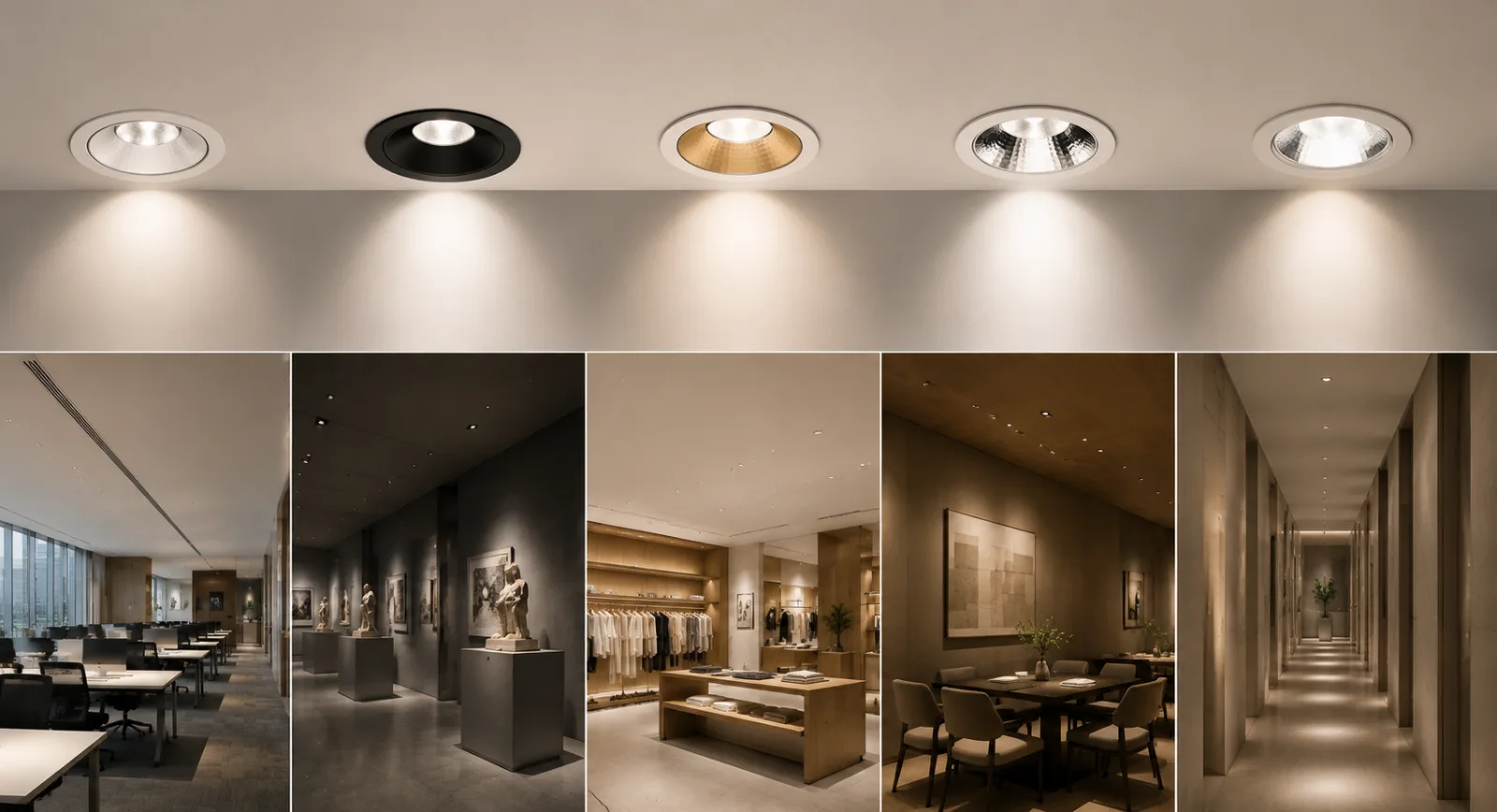
How to Choose the Right Downlight for Different Applications
A downlight should be selected as an optical, thermal and architectural system: ceiling condition, visual task, distribution, glare, output and maintenance all matter.
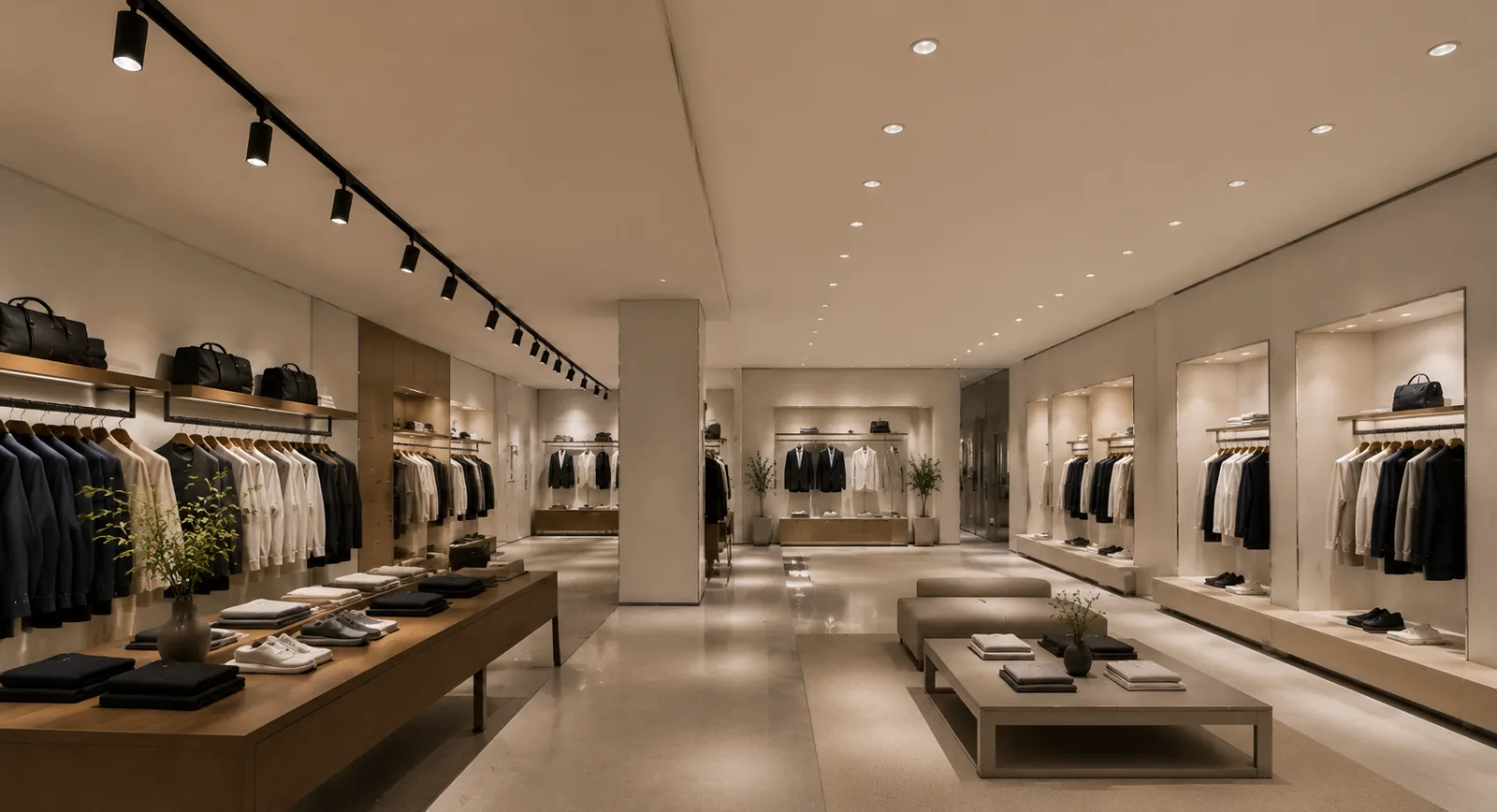
Track Lighting vs Recessed Downlights
Track lighting offers adaptability and visible technical rhythm; recessed downlights offer ceiling calm and integration. Many projects benefit from a deliberate hybrid.
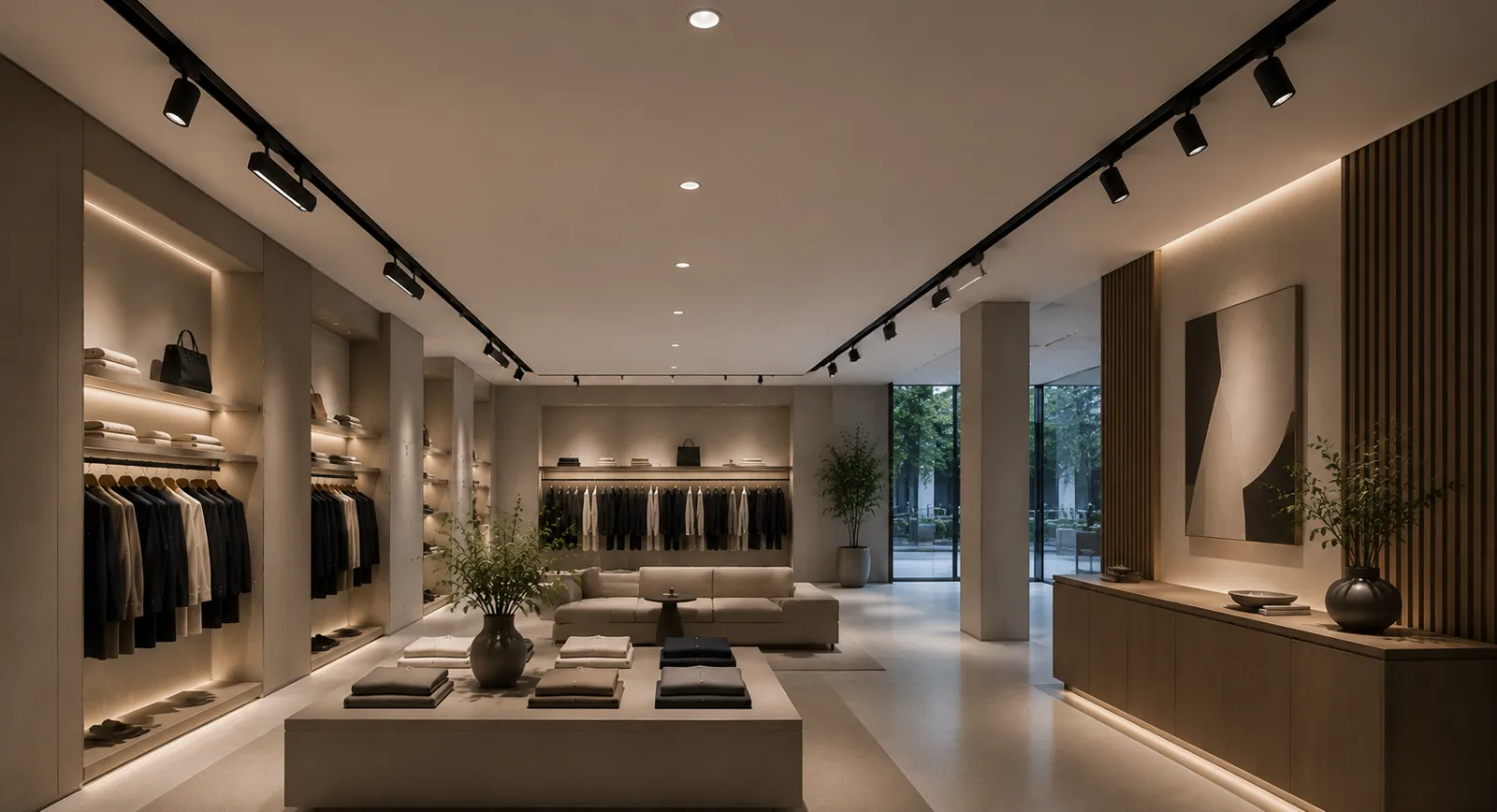
What Is Anti-Glare Lighting?
Anti-glare lighting controls direct source brightness, reflections and contrast through optics, positioning, adaptation and surface-aware design—not through one accessory alone.
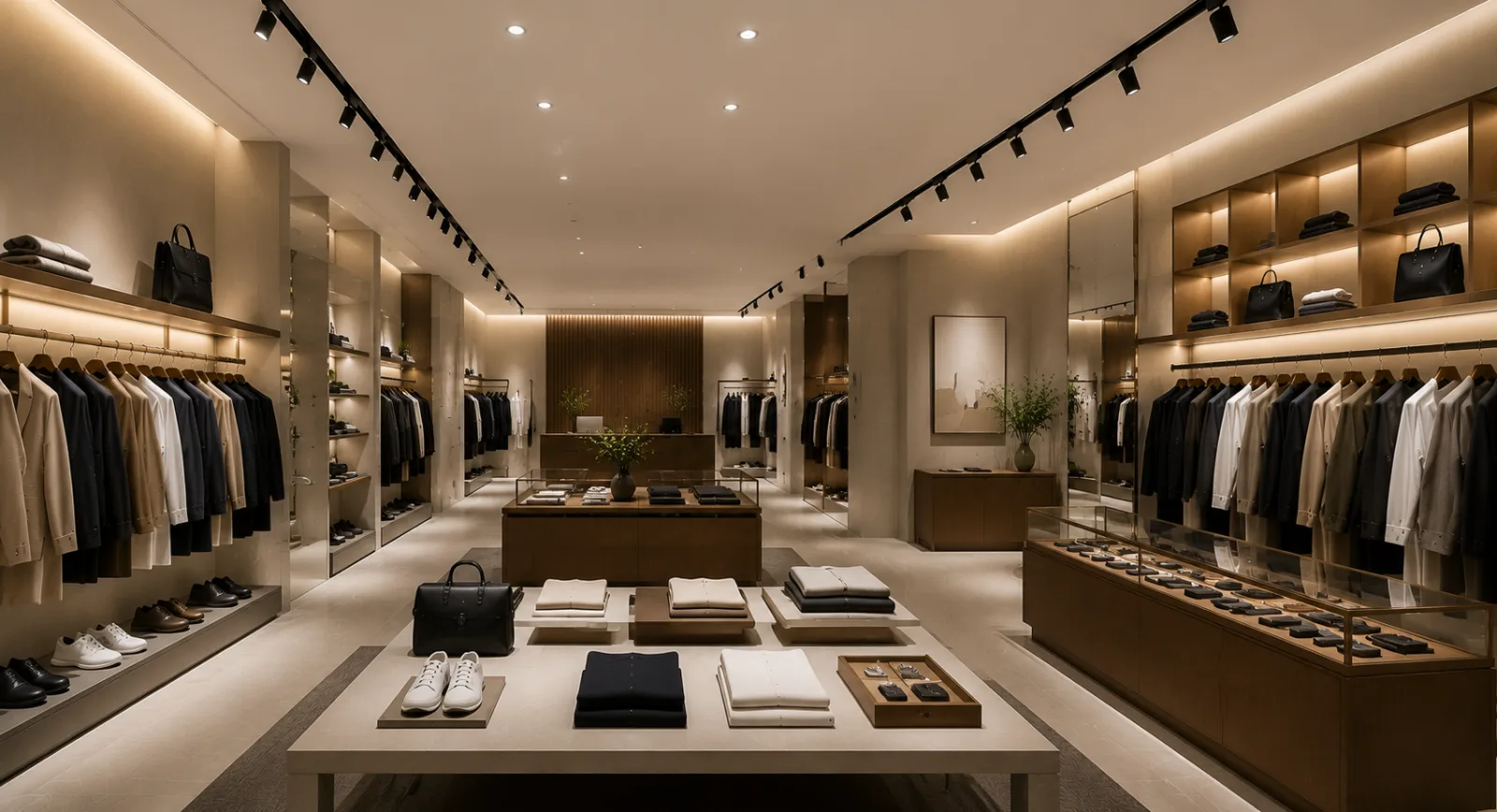
How to Select the Right Lighting for Retail Stores
Retail lighting should organise attention, preserve product colour, support customer comfort and adapt to merchandising through a layered, maintainable system.
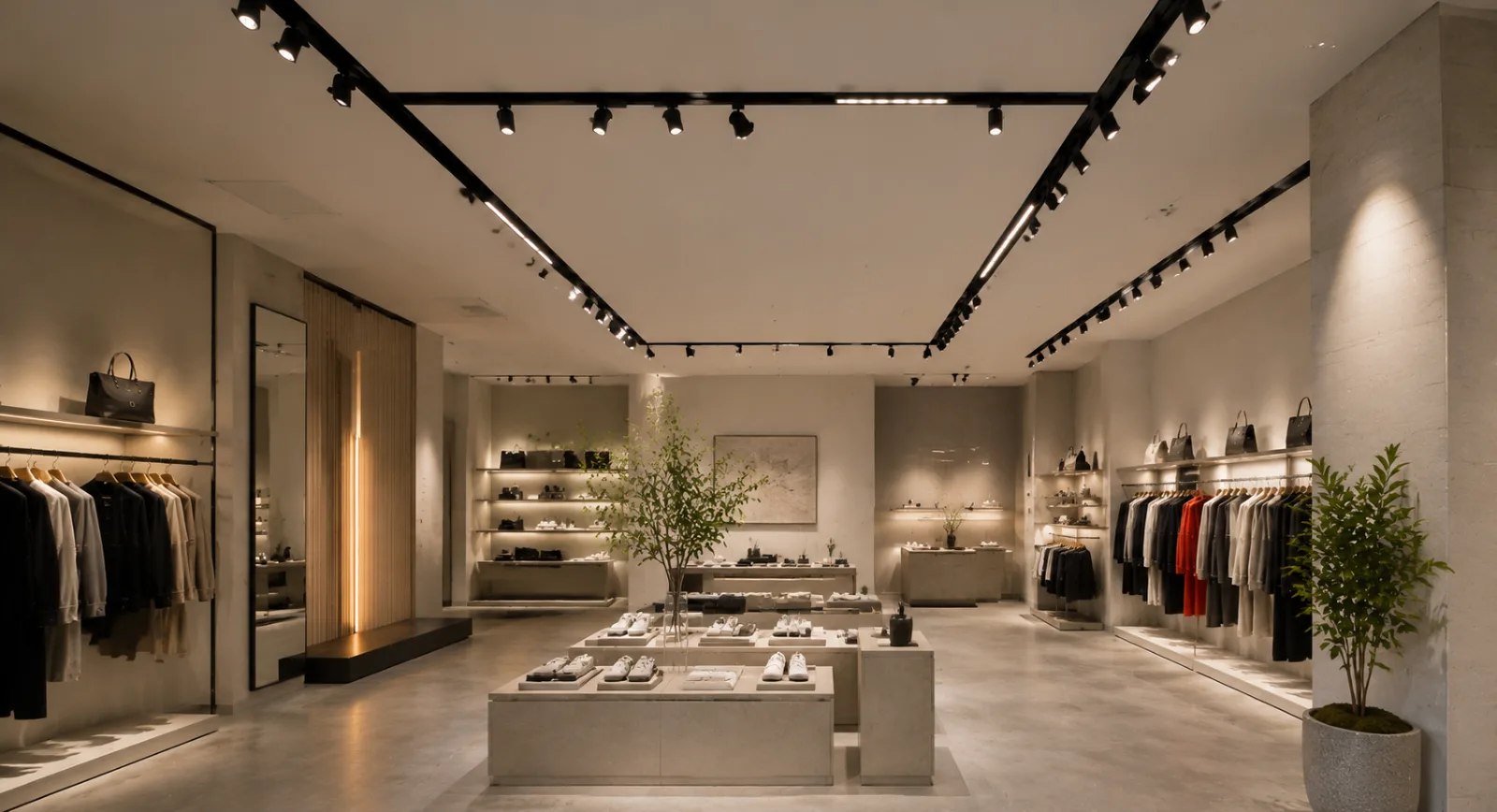
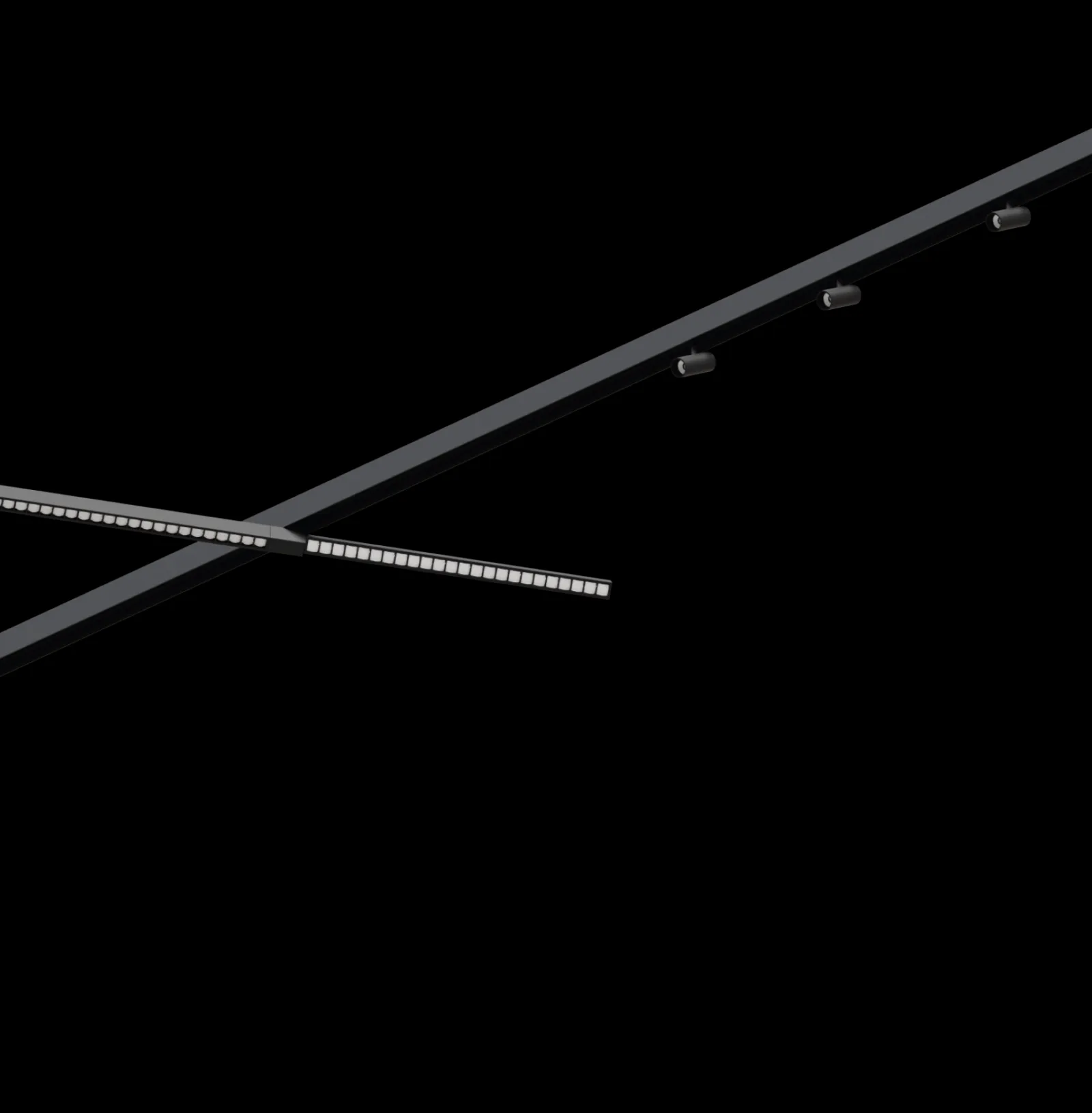
Magnetic Track Lighting: Benefits, Applications and Design Tips
Magnetic track lighting combines a low-voltage track with movable lighting modules, supporting adaptable layouts when power, compatibility, glare and controls are designed as one system.
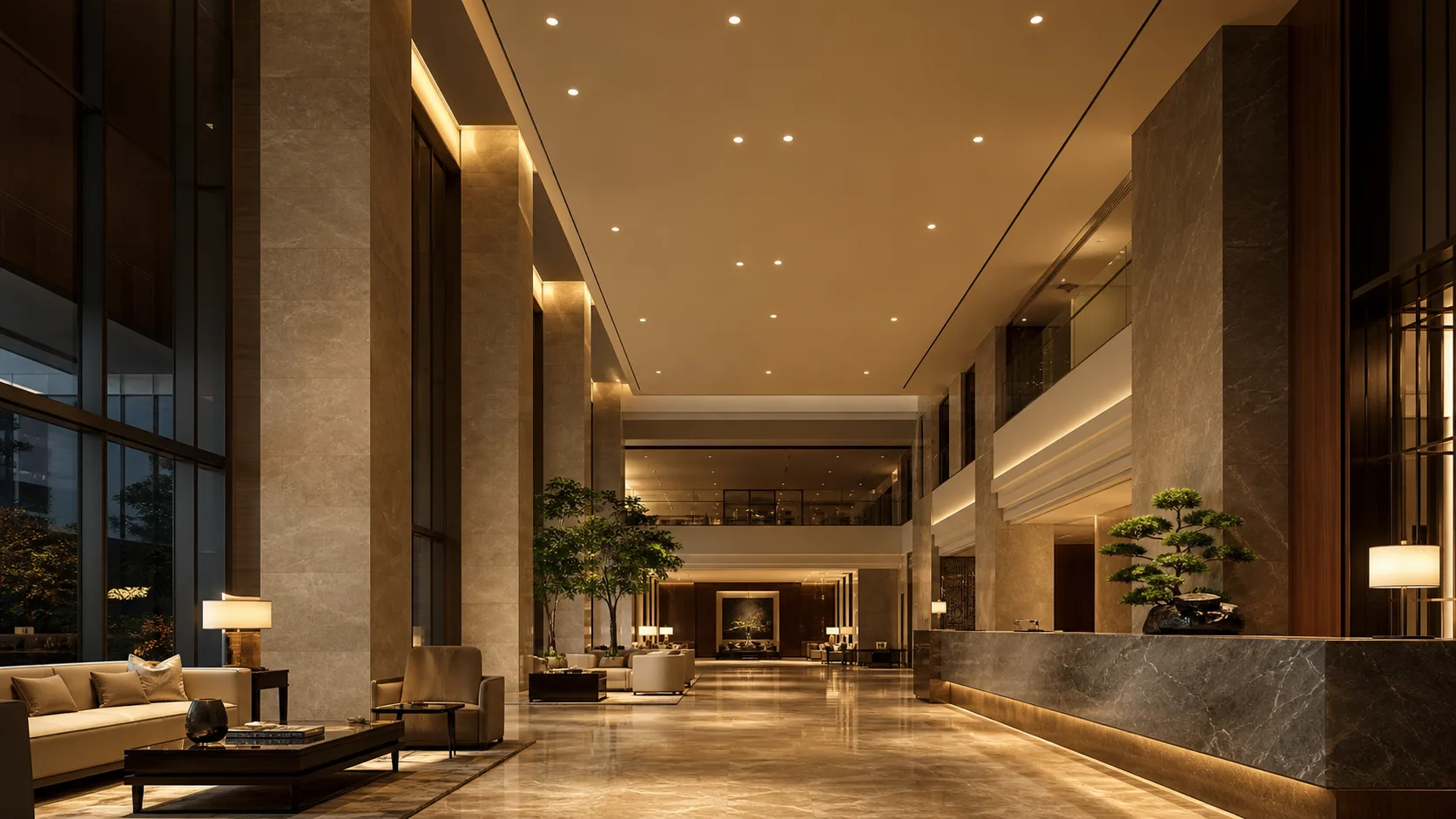
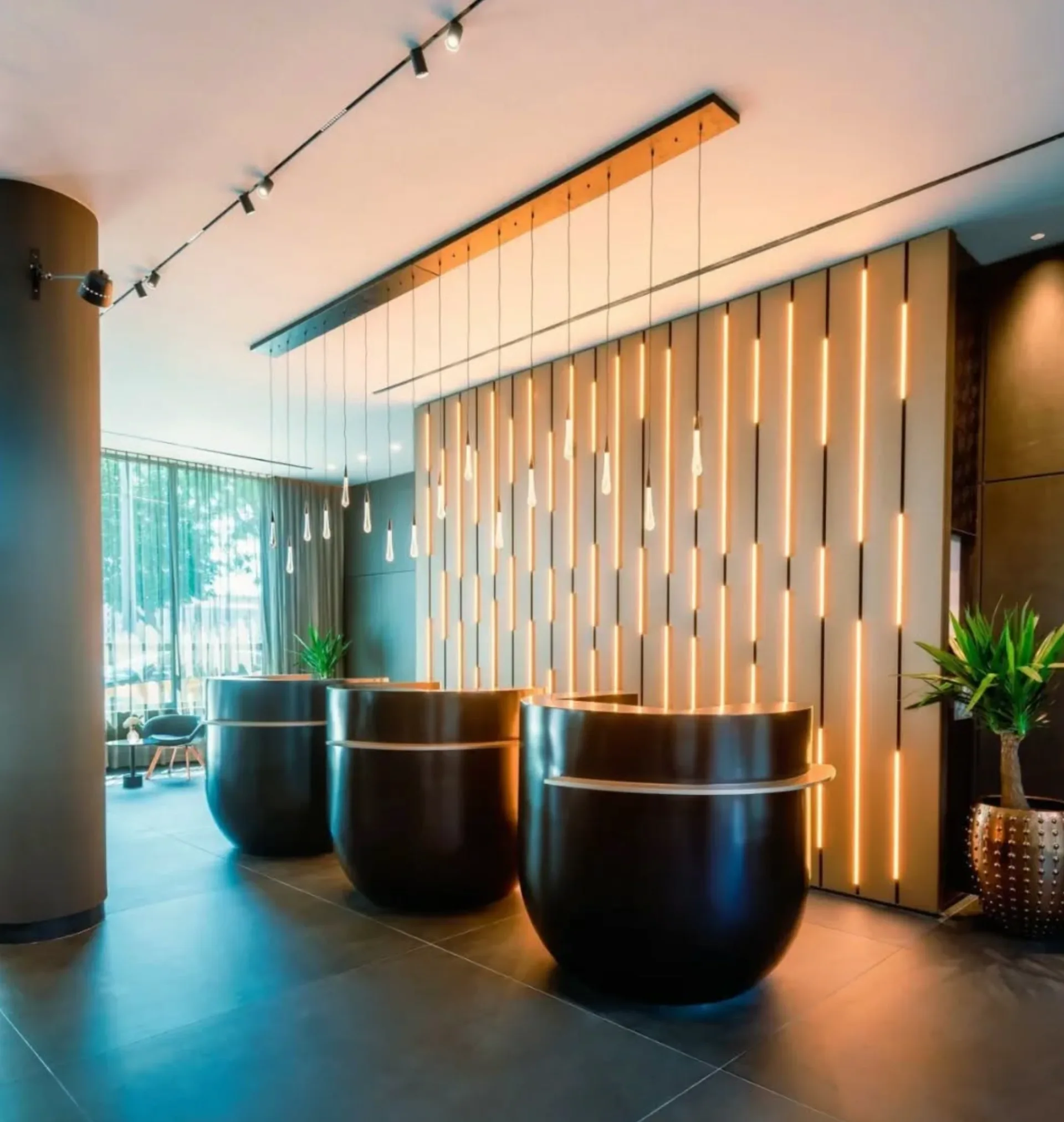
Hotel Lighting Design Guide: Lobbies, Guest Rooms and Restaurants
A practical hotel lighting design guide covering lobby, guest room, corridor, restaurant and control strategies for comfort, atmosphere and efficient operation.
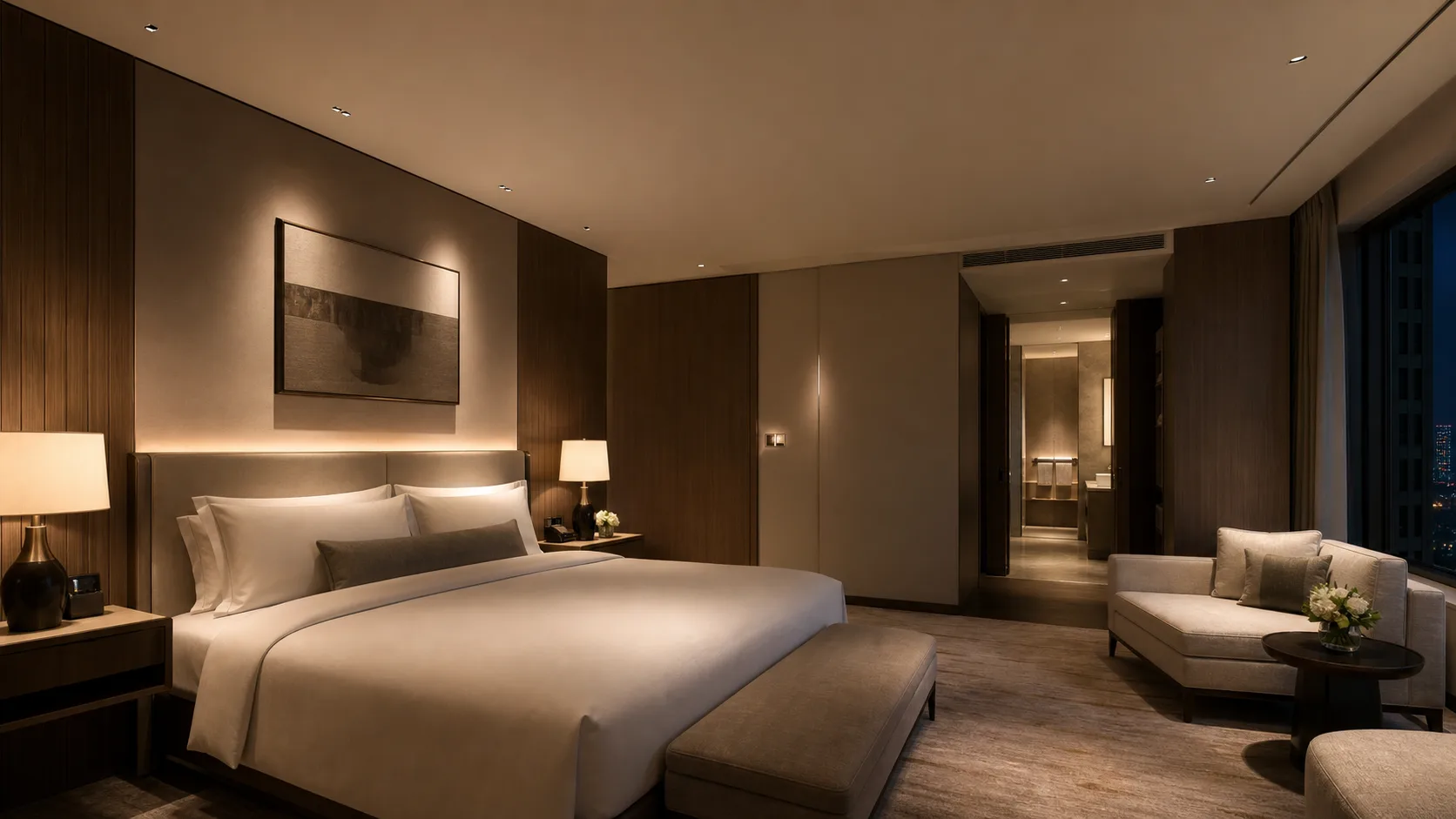
Hotel Guest Room Lighting: Scenes, CCT and Glare Control
How to plan hotel guest room lighting scenes, colour temperature, reading light, bathroom illumination and glare control for better guest comfort.
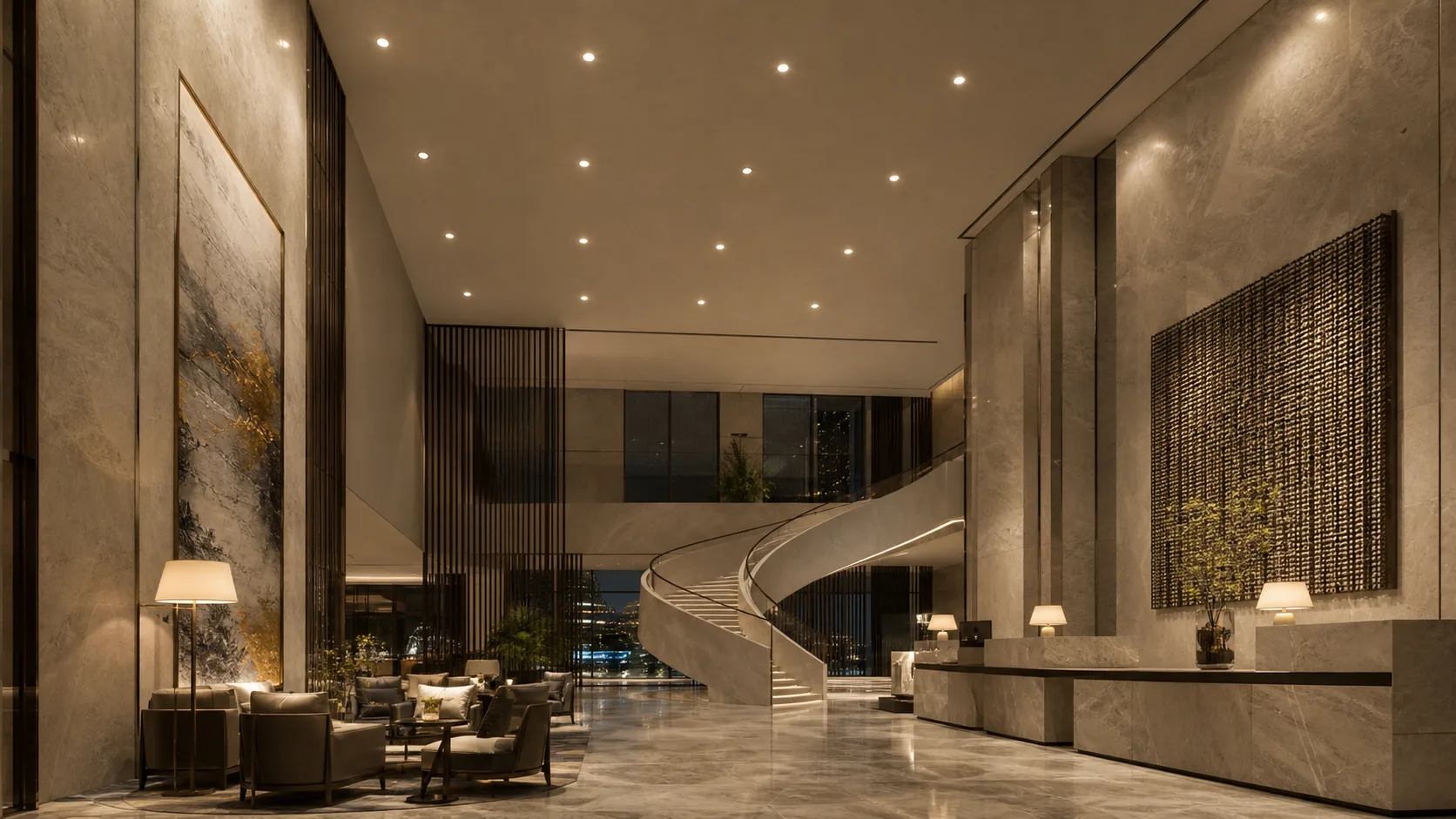
High-Ceiling Hotel Lobby Lighting: Output, Beam Angle and Visual Comfort
A practical guide to selecting lumen output, beam angle, spacing and glare control for high-ceiling hotel lobbies and atriums.
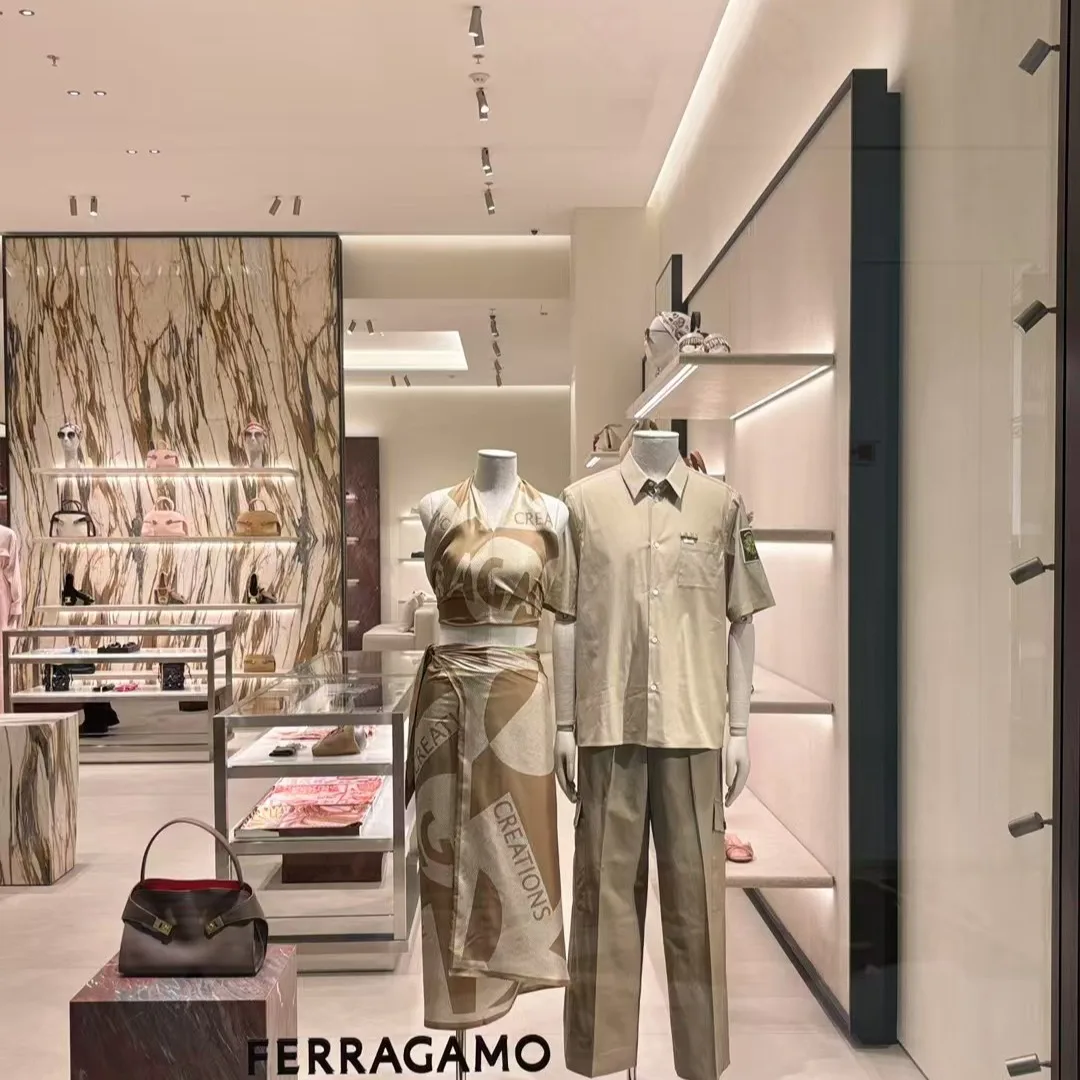
Track Light Spacing and Aiming: A Practical Retail Design Method
A step-by-step method for determining track light spacing, aiming angles and contrast ratios in fashion, boutique and showroom projects.
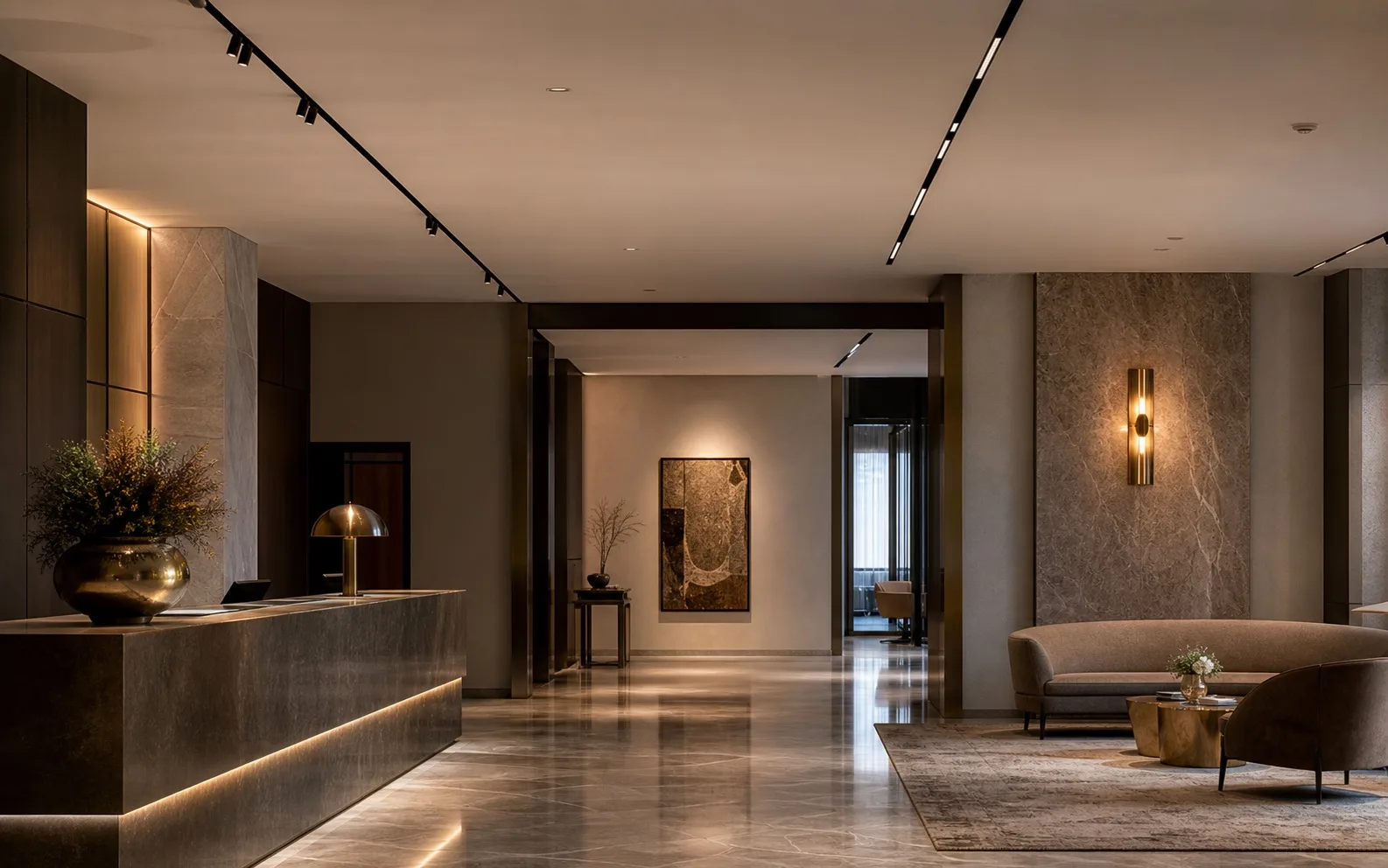
1-Circuit vs 3-Circuit vs 48V Magnetic Track: How to Choose
Compare one-circuit, three-circuit and 48V magnetic track systems by control flexibility, installation, safety, aesthetics and best applications.
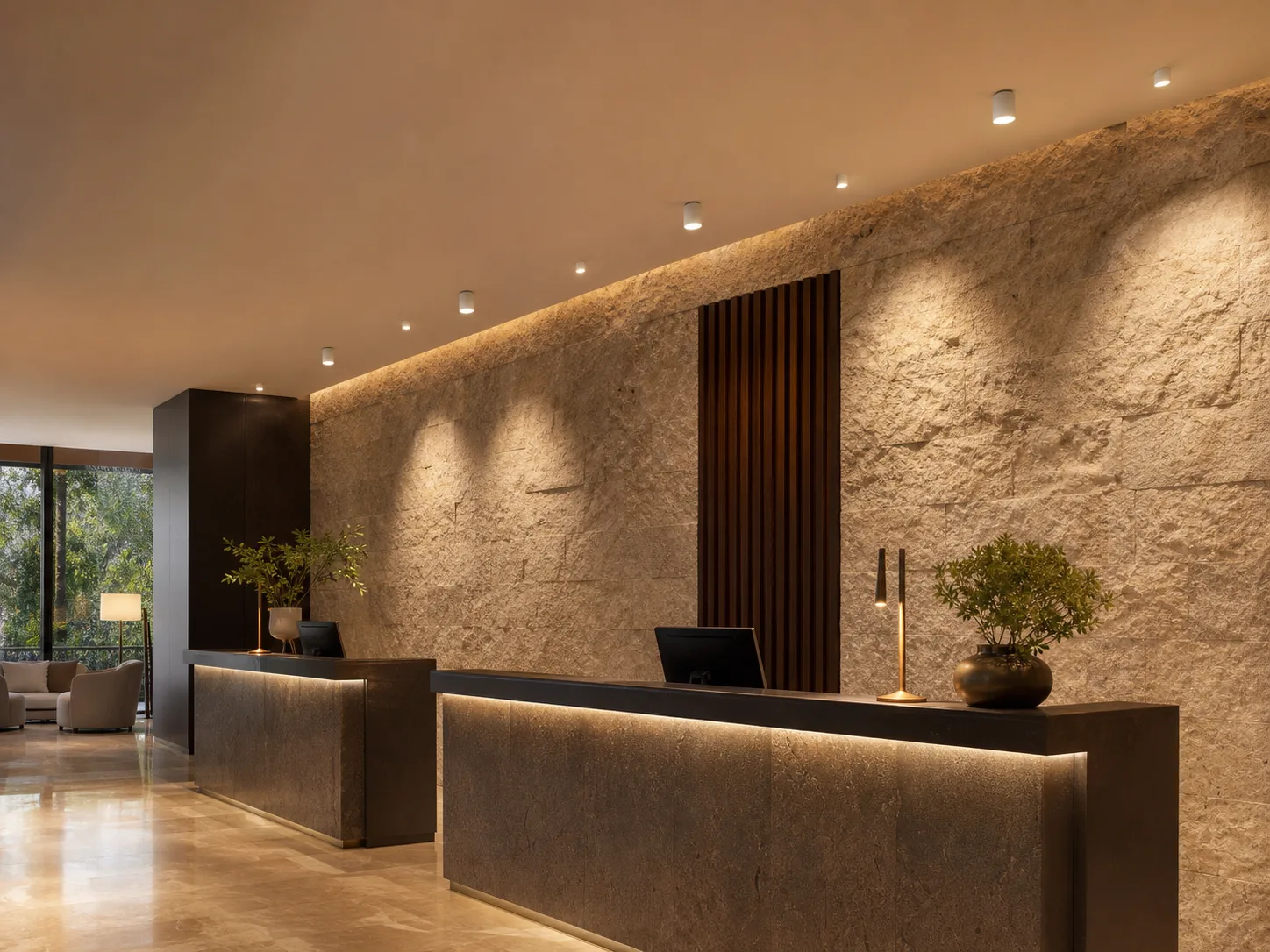
Wall Washing vs Wall Grazing: Differences, Setback and Applications
Understand the difference between wall washing and wall grazing, including luminaire setback, texture, uniformity and ideal architectural applications.
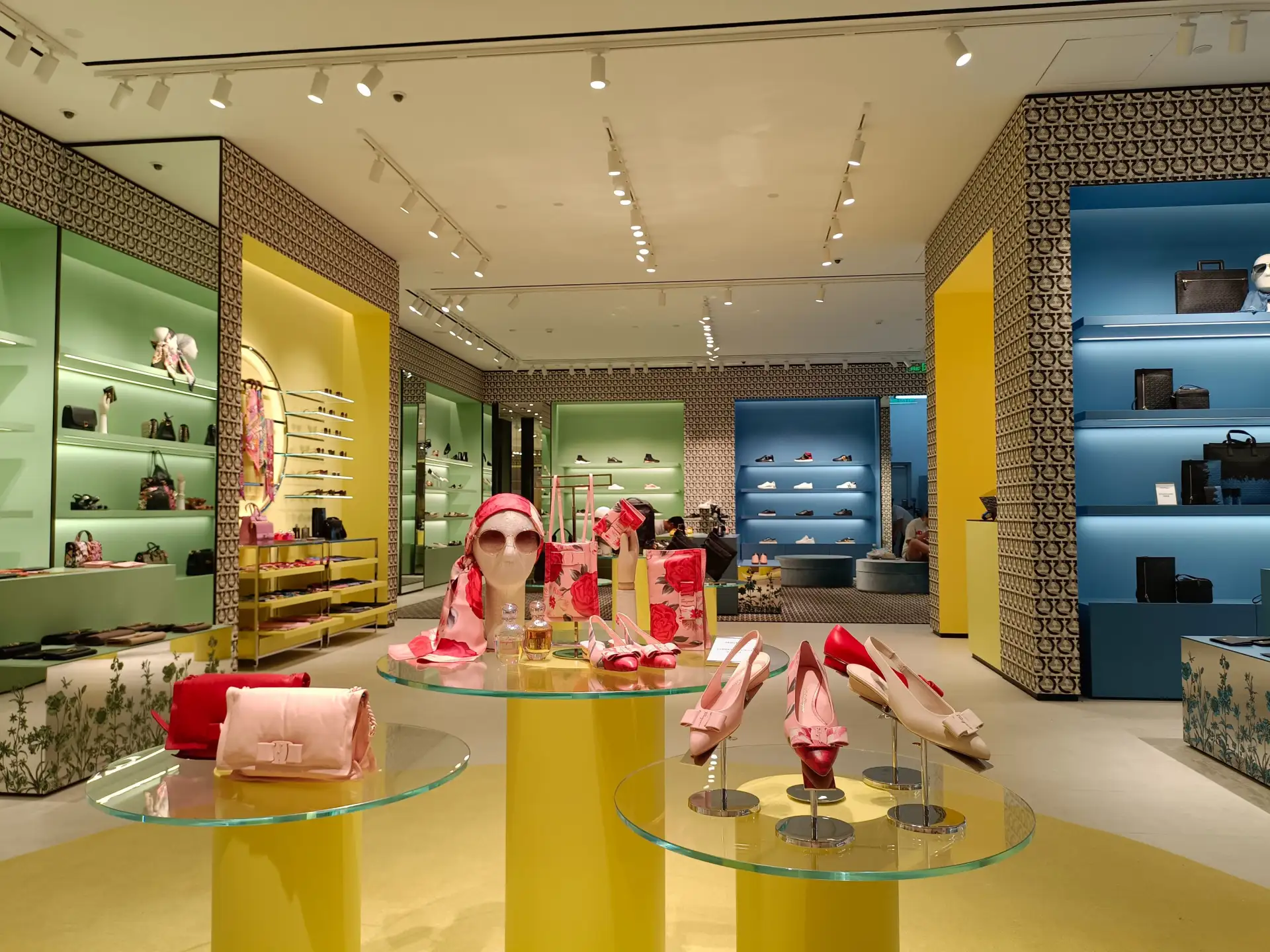
TM-30 vs CRI: A Practical Guide to Colour Quality Metrics
A practical explanation of CRI, R9, TM-30 Rf and Rg, and how to evaluate LED colour quality for retail, hospitality and galleries.
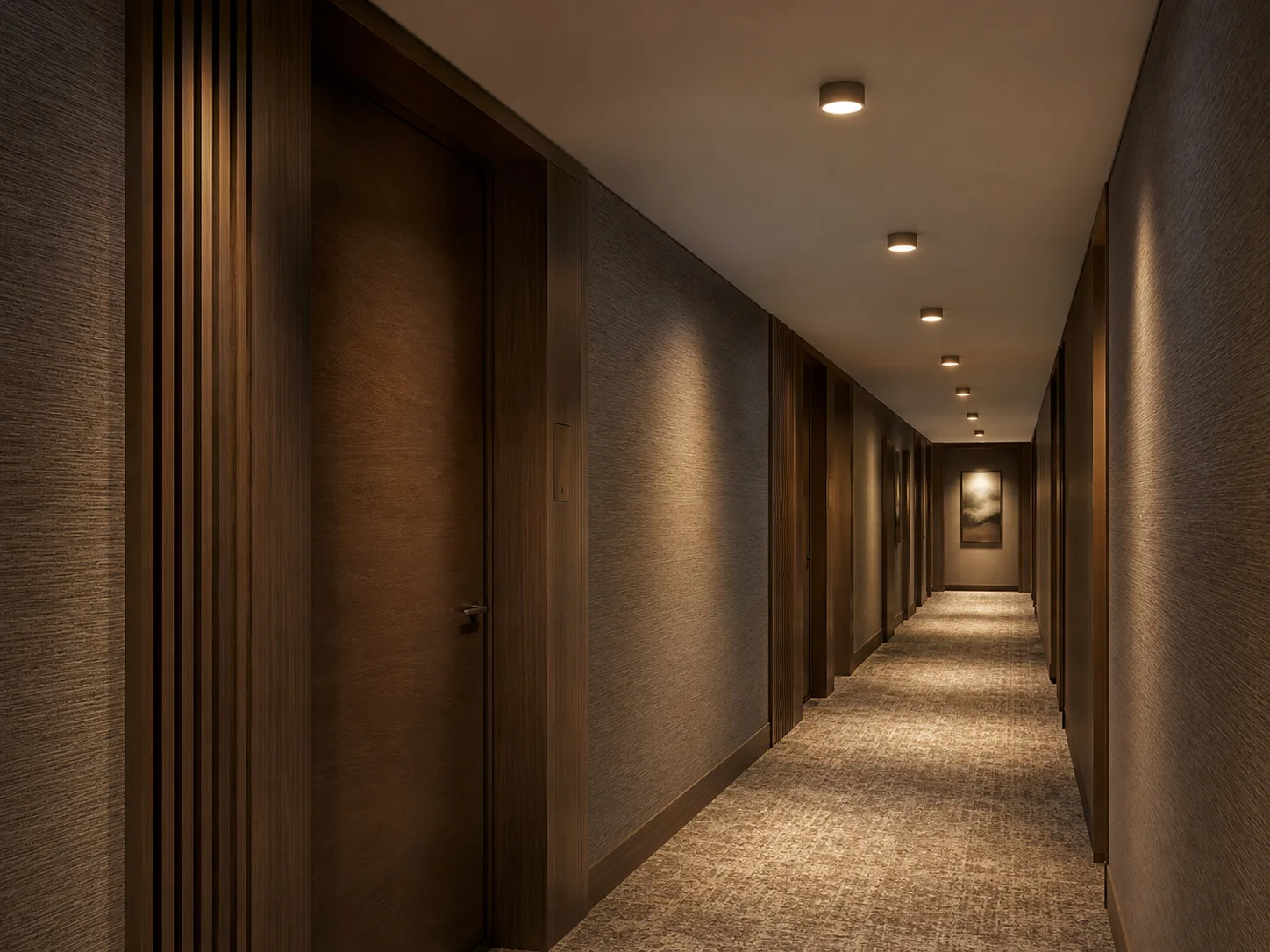
LED Flicker Explained: PstLM, SVM and Driver Selection
Understand visible and stroboscopic LED flicker, PstLM and SVM metrics, and how drivers and dimming affect commercial lighting quality.
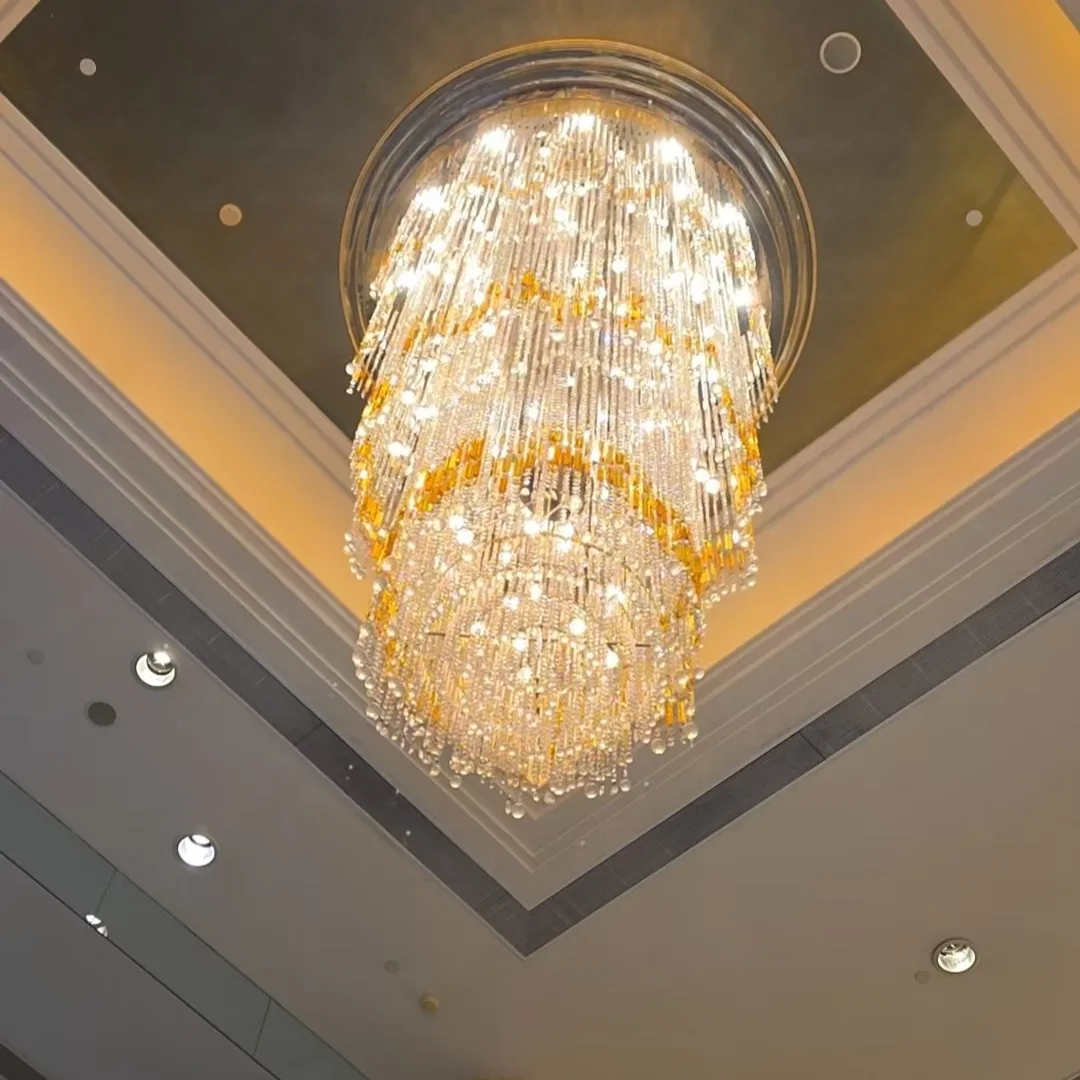
LED Lifetime: L70, L80, B10 and What Specifications Mean
Decode LED lifetime terms including L70, L80, B10, lumen maintenance, driver life and operating temperature for reliable project specifications.
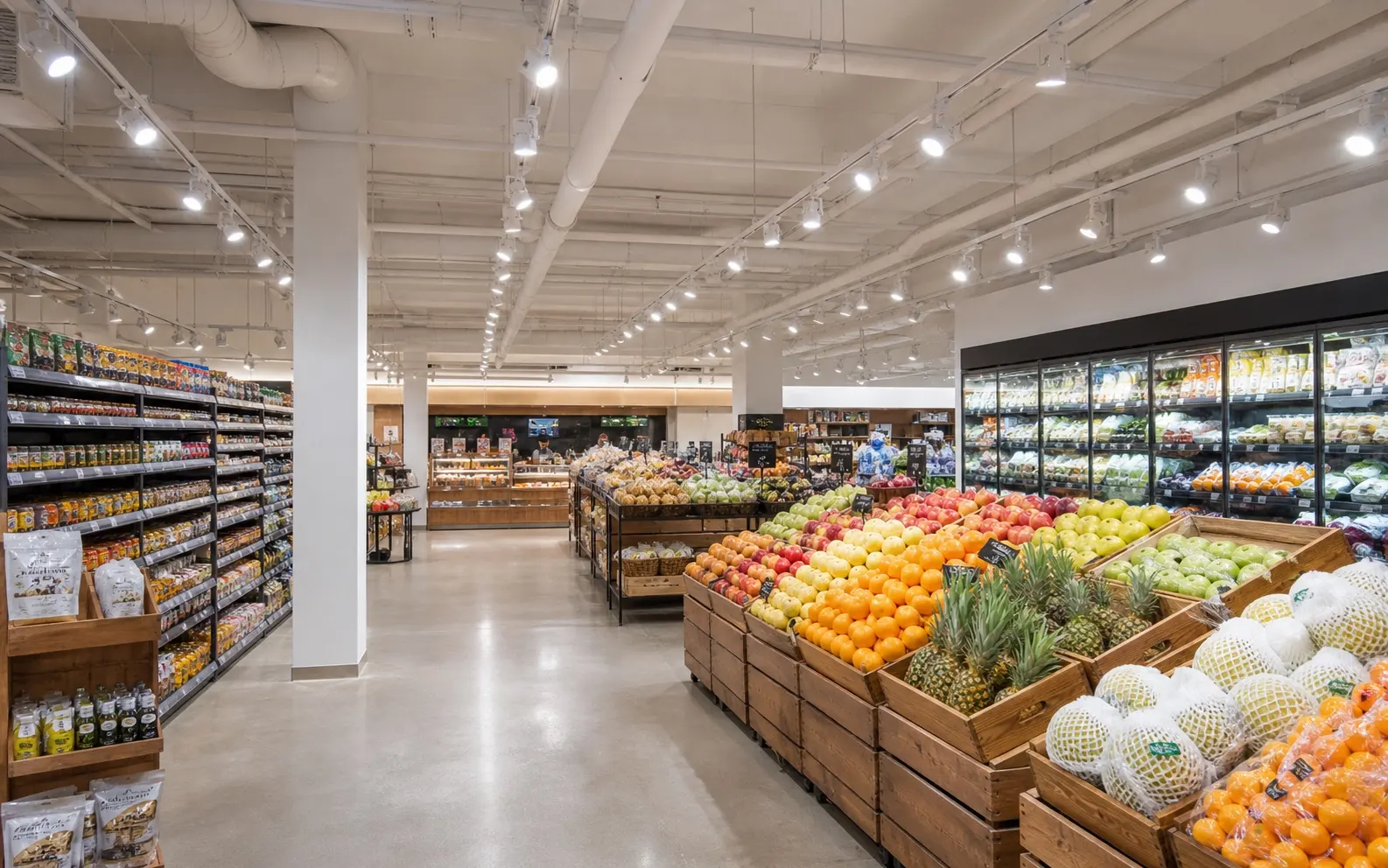
Lighting Maintenance Factor: How Dirt, Aging and Room Conditions Affect Lux
Learn how lighting maintenance factor accounts for lumen depreciation, dirt, room surfaces and maintenance intervals in lux calculations.

What Is Architectural Lighting? A Complete Guide for Modern Projects
Architectural lighting integrates light with buildings and interiors to improve visibility, atmosphere and spatial identity. This guide explains ambient, task and accent lighting for retail, hospitality, commercial and residential projects.
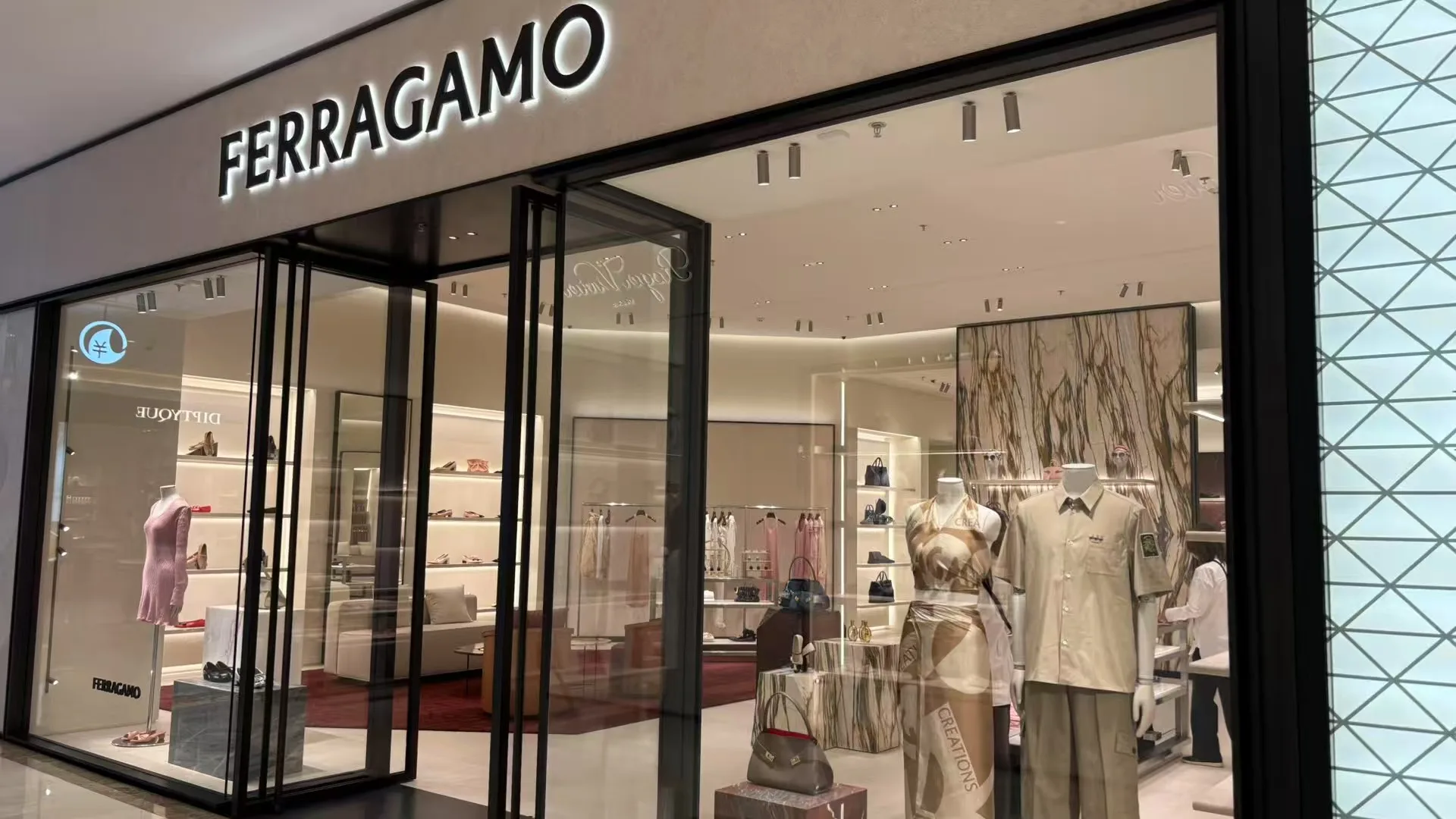
How to Choose the Right Lighting for Retail Stores
Retail lighting design must make products visible, render colours accurately, create visual hierarchy and support a comfortable customer journey. Learn how to select track lights, downlights and wall washers for modern stores.

What Is Wall Washer Lighting? Applications and Design Principles
Wall washer lighting distributes light evenly across vertical surfaces to improve spatial brightness, reveal materials and present merchandise or artwork clearly. Learn its optics, spacing and applications.

What Is Accent Lighting? How to Create Visual Focus in Architecture
Accent lighting creates focal points and visual hierarchy by placing controlled, higher-intensity light on products, artwork and architectural features. Learn how beam angle, contrast, CRI and aiming work together.
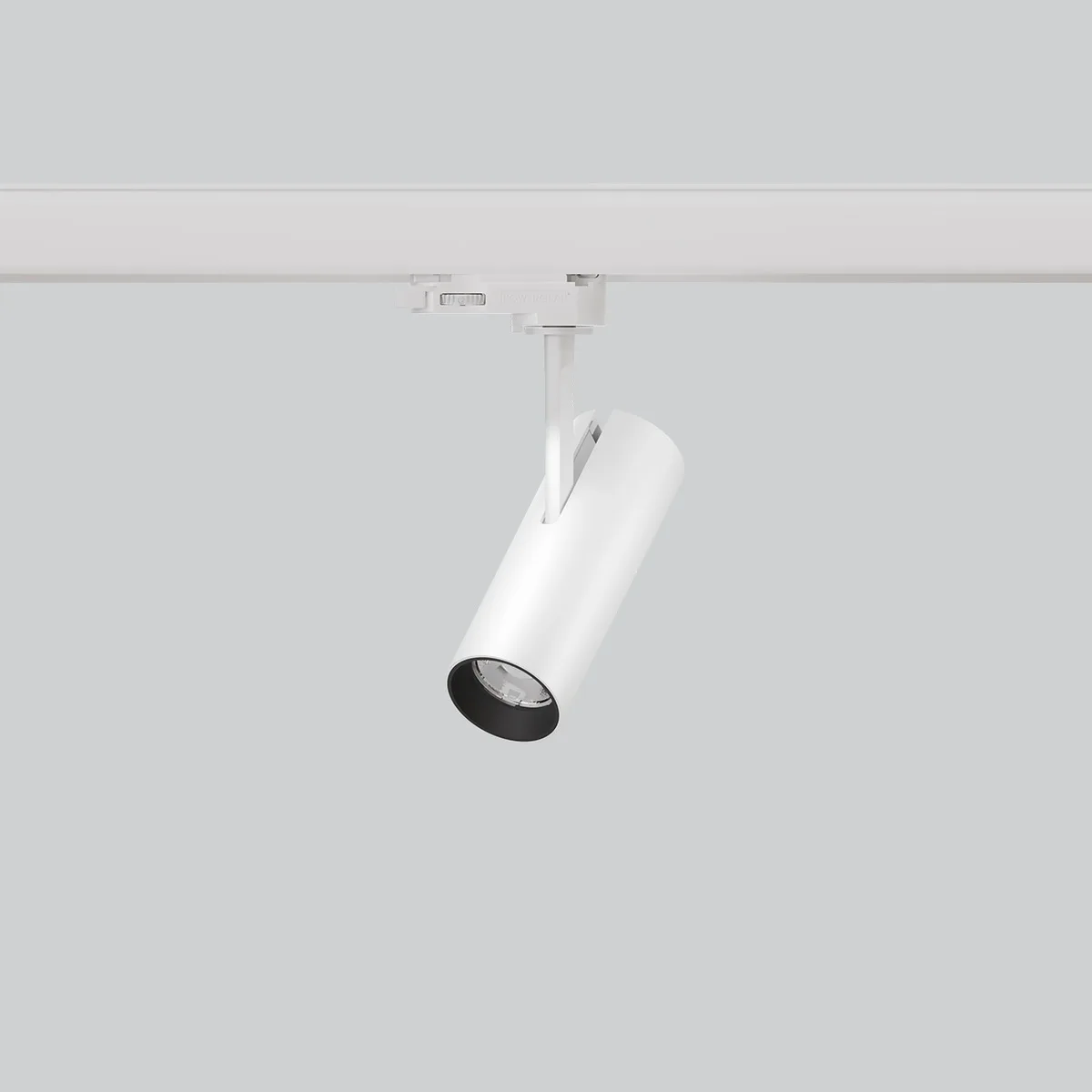
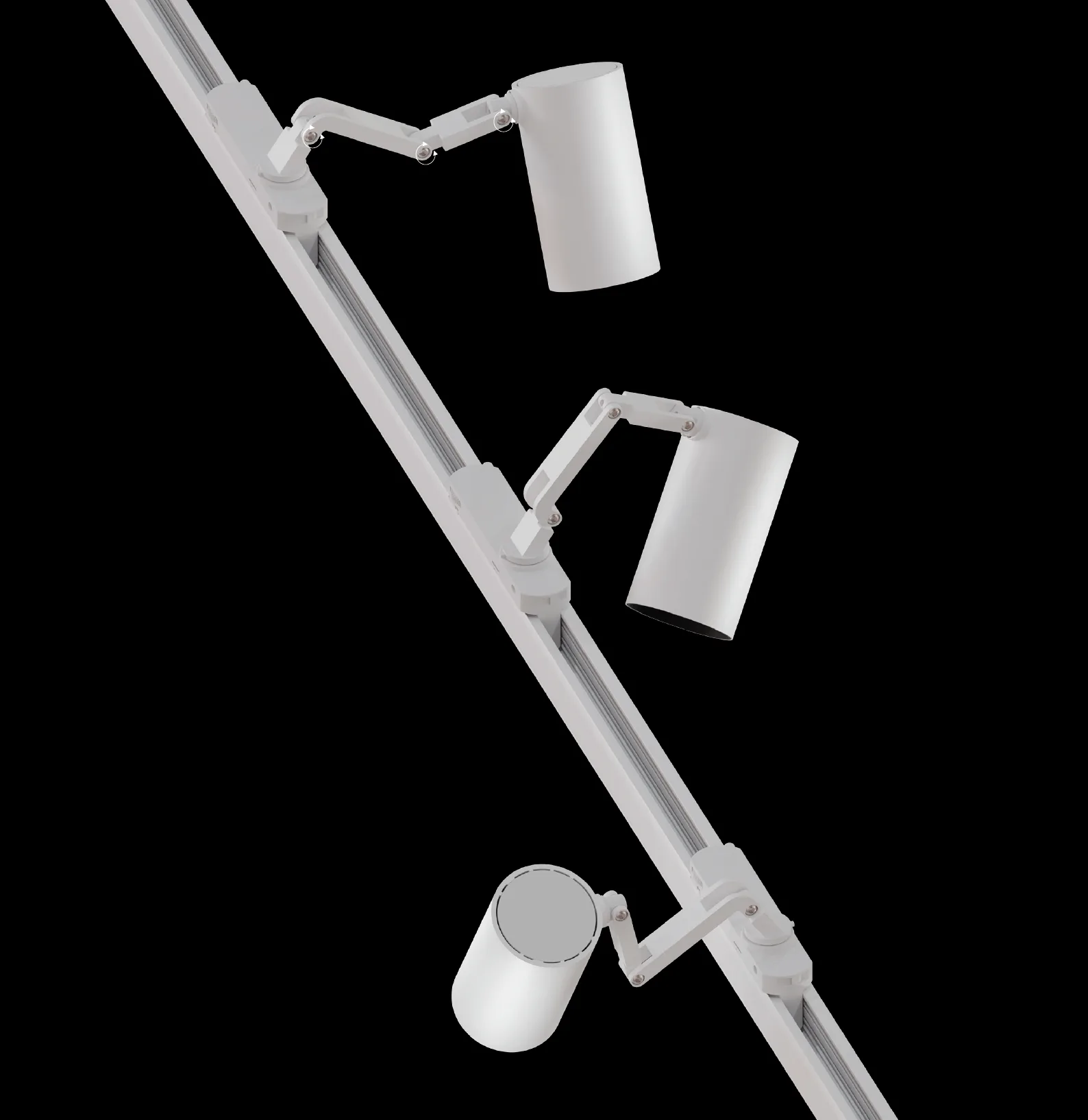
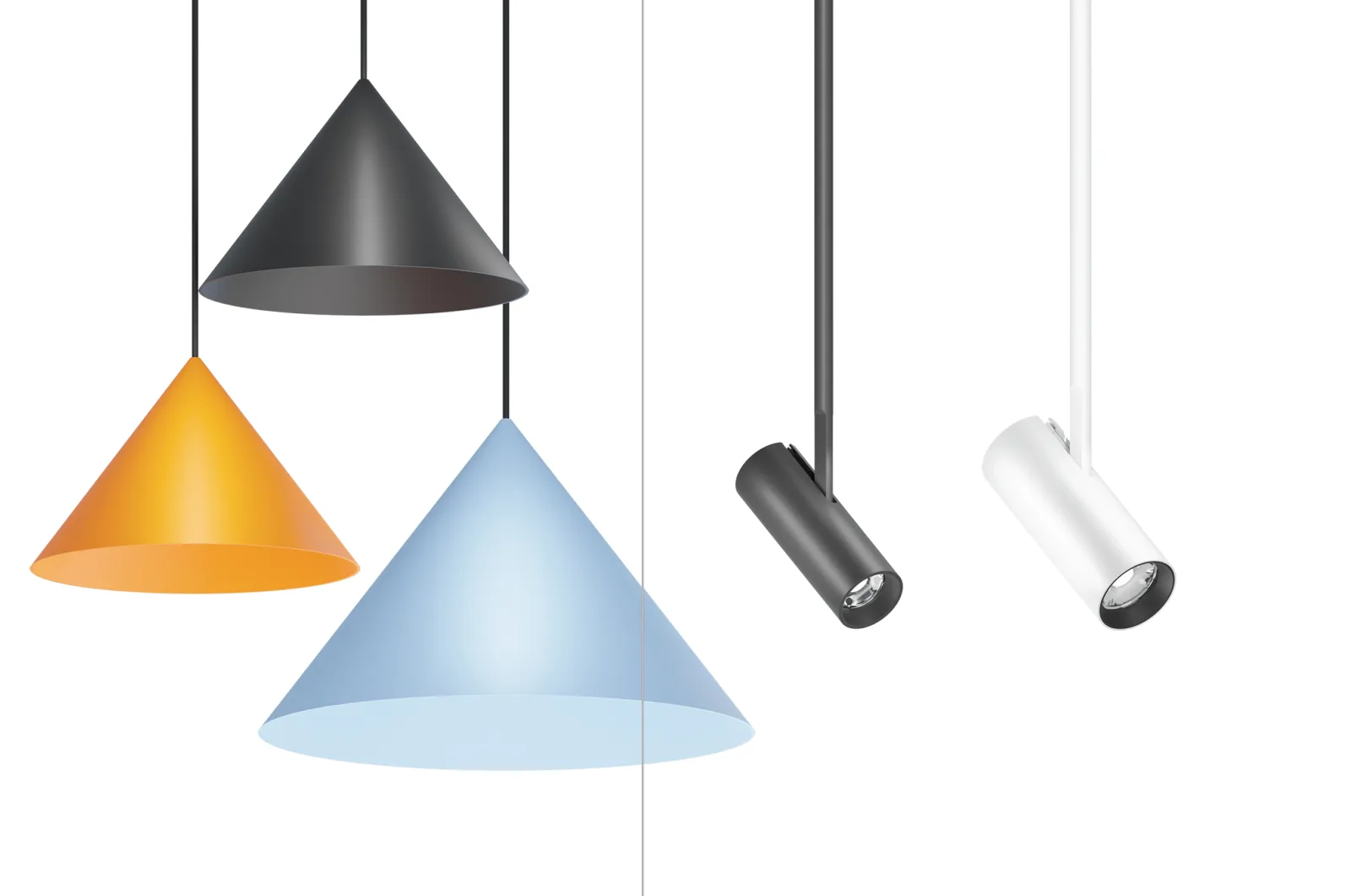
Track Lighting Guide: Types, Applications and How to Choose
Track lighting combines flexible power distribution with adjustable luminaires. This guide compares track spotlights, linear modules, wall washers and pendants and explains beam angle, wattage, CRI and track compatibility.
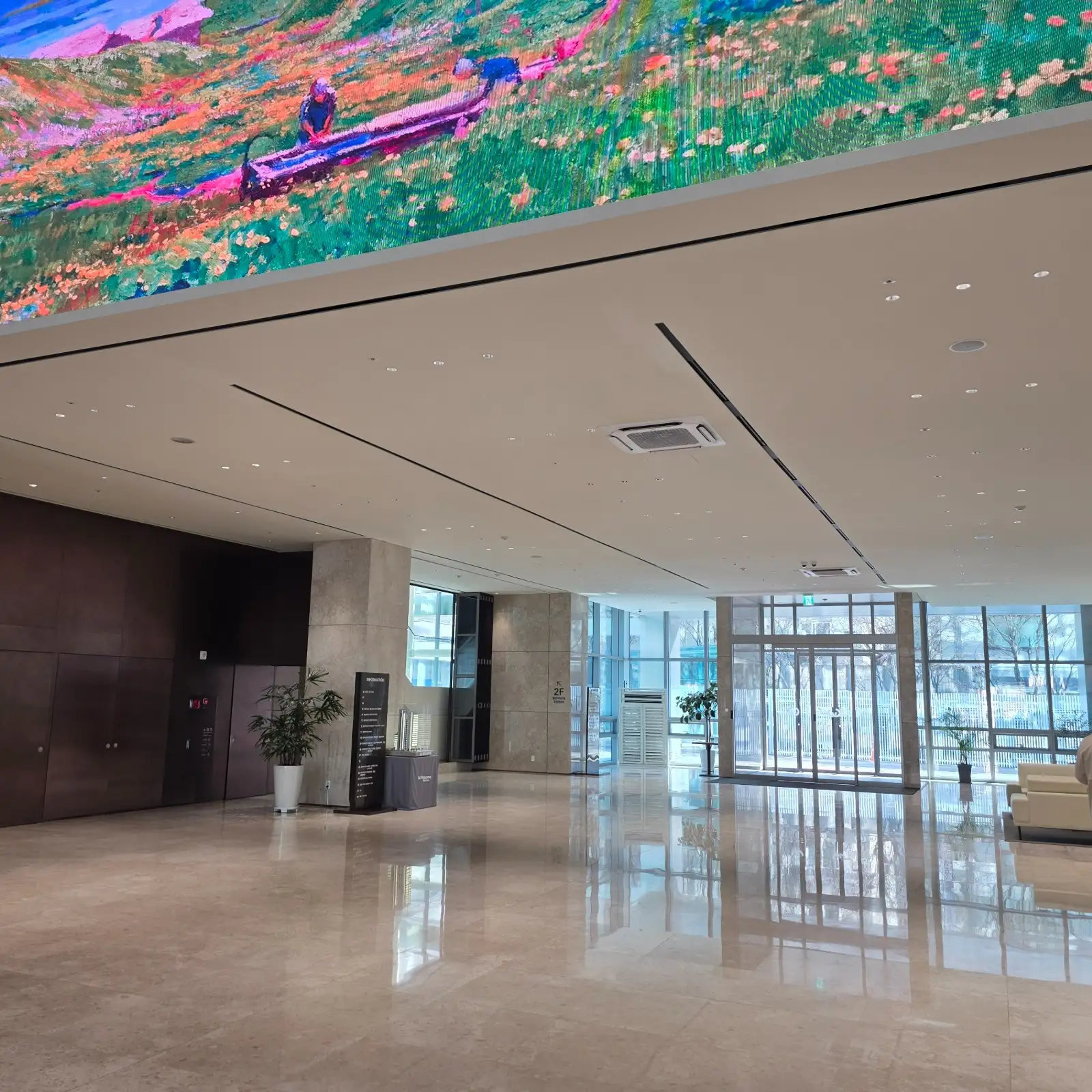
Downlight Guide: How to Select the Right Recessed Downlight
Select recessed downlights by cut-out size, ceiling height, beam angle, wattage, glare control and optical performance. This practical guide explains the factors that determine fit, comfort and illuminance.
Beam Angle vs Lumens: Why Brightness Is Not Everything in Lighting Design
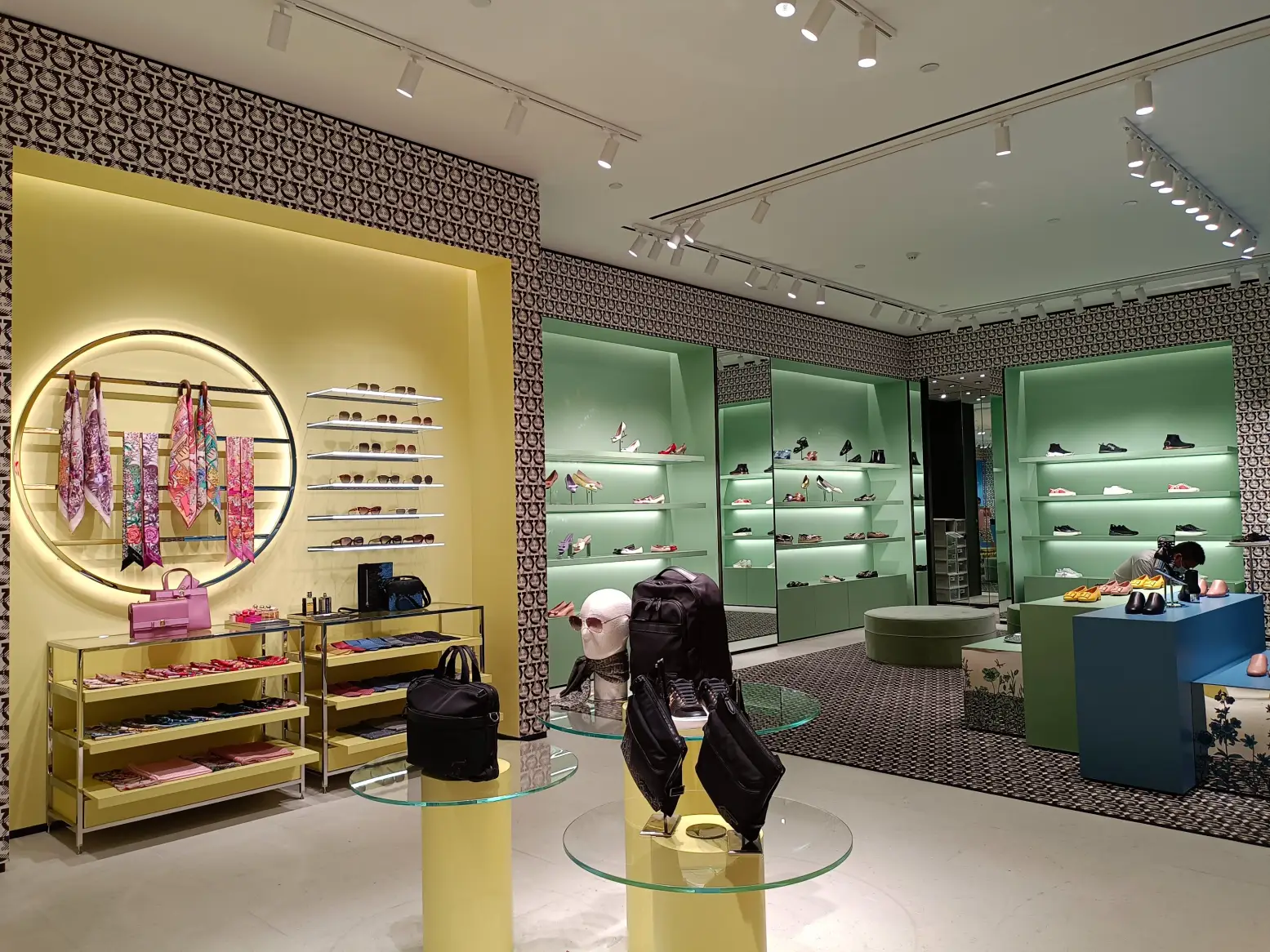
Lumens describe total light output, but beam angle and distance determine how that output is distributed on a target. Learn why two luminaires with the same lumens can produce very different illuminance and visual effects.

COB LED vs SMD LED: Which Is Better for Architectural Lighting?
COB and SMD LEDs package light differently. COB supports compact, high-intensity optical systems for accent lighting, while SMD configurations are well suited to linear and broad-area illumination.
Reflector vs Lens: Understanding LED Optical Design
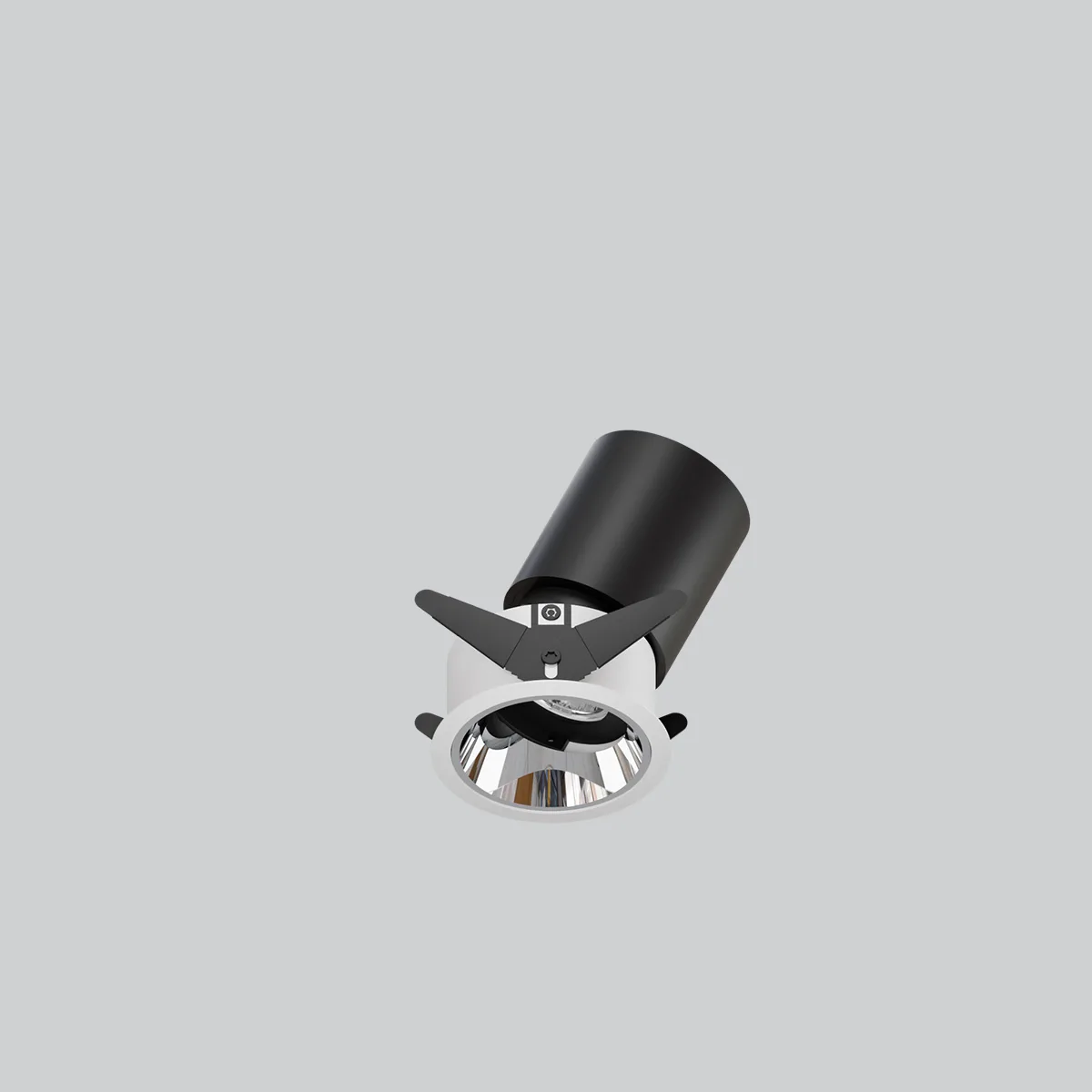
Reflectors and lenses shape LED light in different ways. Learn how each optical system influences beam distribution, efficiency, glare control, visual comfort and flexibility in architectural lighting.
How to Calculate Lighting Requirements: Lumens, Lux and Lighting Levels
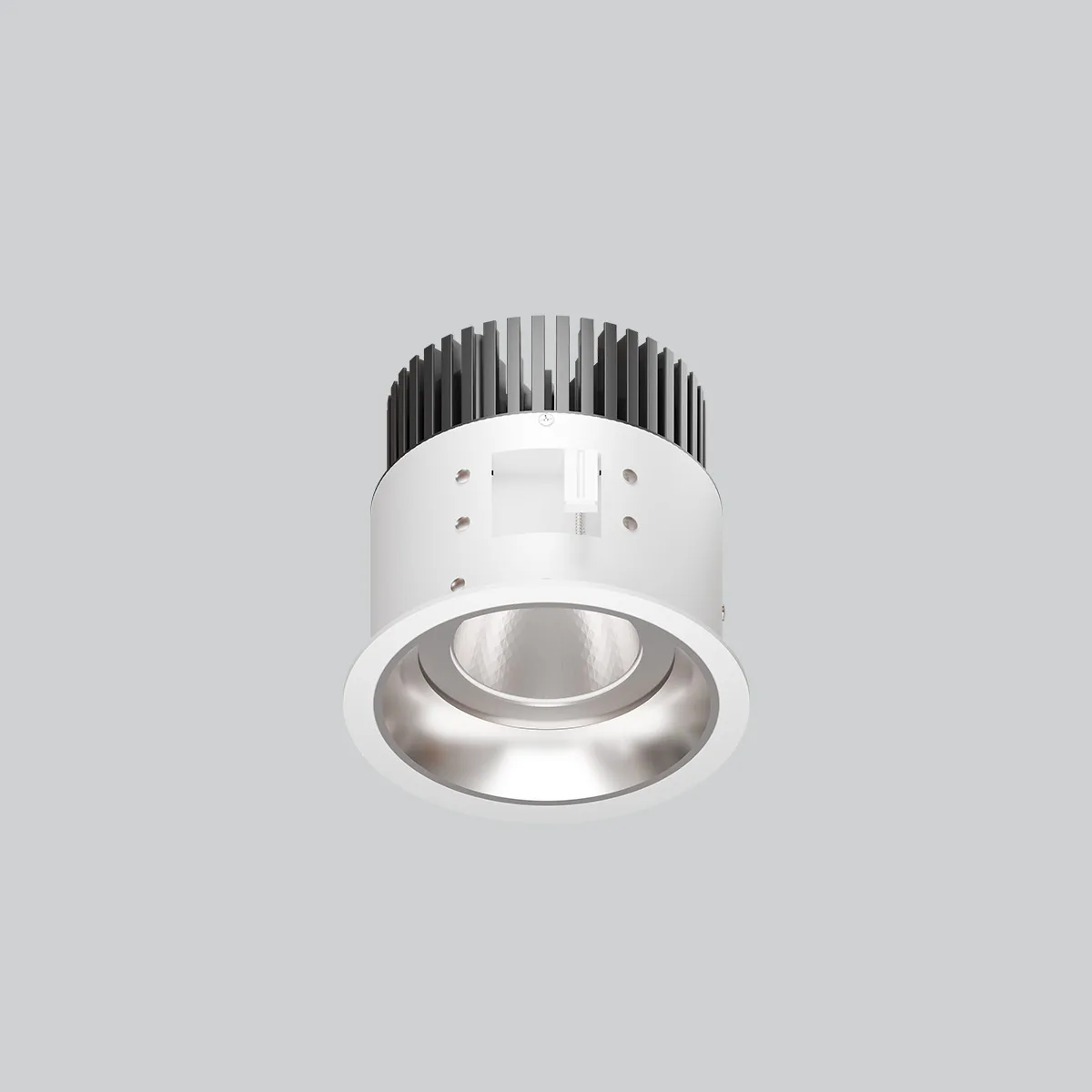
Lighting calculations connect target lux, floor area, luminaire output, utilisation and maintenance. Learn a practical method for estimating lumens and fixture quantities before detailed photometric verification.
Smart Lighting Control Systems: DALI, 0-10V and Modern Lighting Management
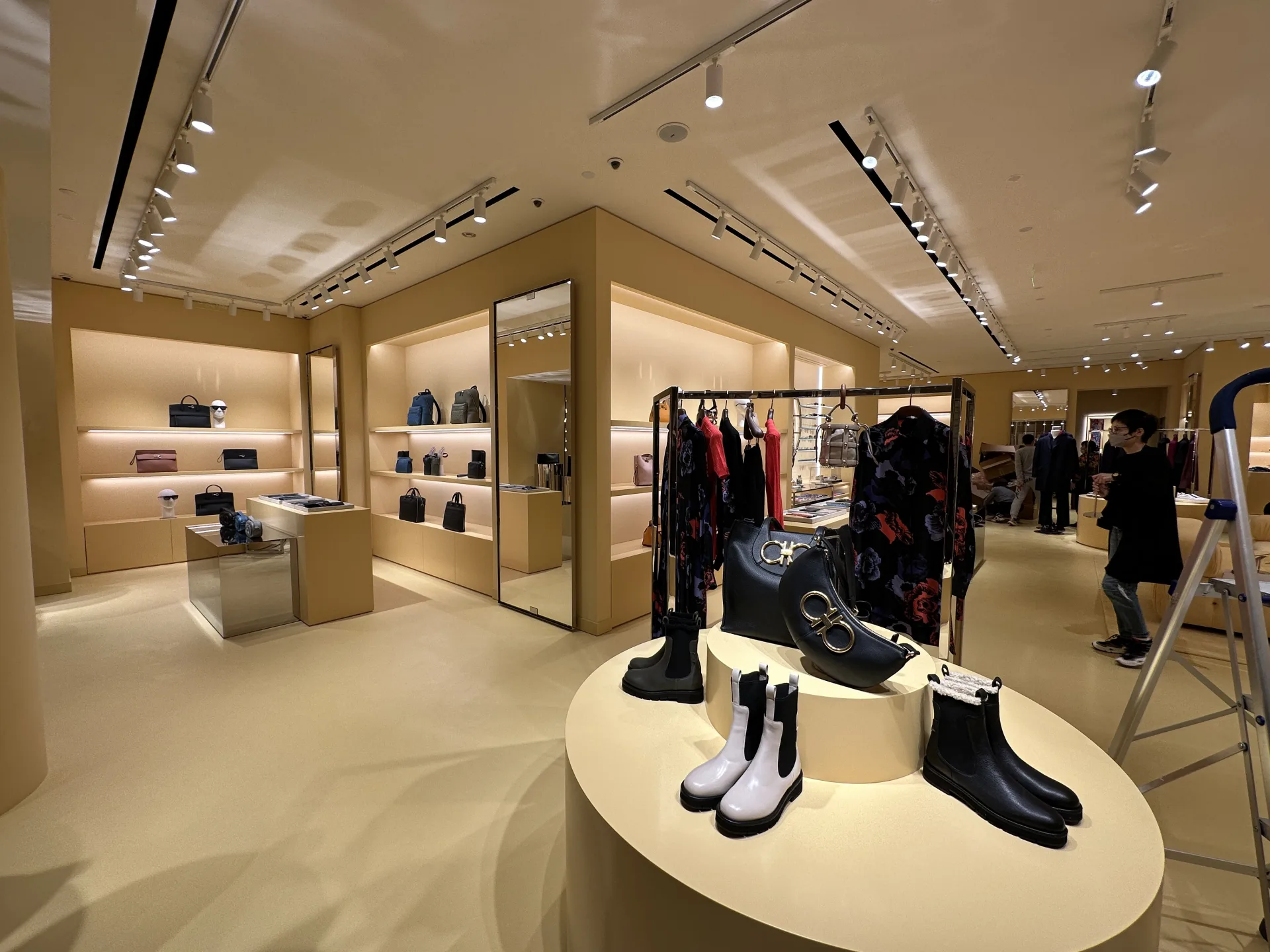
Compare DALI digital lighting control with 0-10V analogue dimming and learn how sensors, scenes, zoning and building integration support flexible, energy-aware lighting management.
Industry News
VIEW ALL →China Lighting Industry Outlook 2026: Export Trends, Market Challenges and Global Opportunities
China’s lighting exports entered 2026 under pressure, but the industry still operates at significant global scale. This outlook examines first-quarter export data, changing demand in the United States and Europe, growth opportunities in the Middle East and Southeast Asia, and the strategic shift required from Chinese manufacturers.
Global Architectural Lighting Market Trends in 2026: From Products to Complete Solutions
Architectural lighting in 2026 is shifting from individual luminaires to integrated solutions. Specifiers and project owners increasingly expect optical performance, controls, customization and application support to work as one coordinated system.
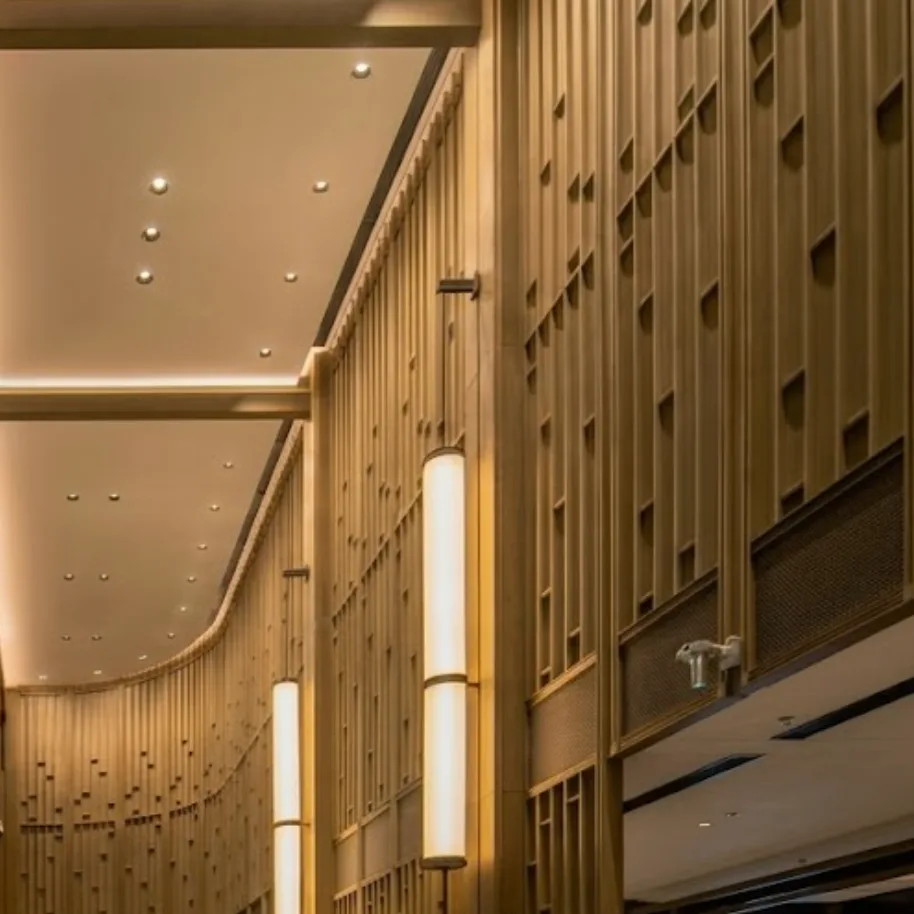
Why the Middle East Is Becoming a Key Growth Market for Architectural Lighting in 2026
Saudi Arabia, the UAE and other Gulf markets are expanding hospitality, retail, mixed-use and experience-led developments. In 2026, this project pipeline is creating strong demand for architectural lighting that combines performance, luxury presentation and reliable delivery.
China LED Lighting Manufacturers in 2026: How OEM and ODM Models Are Changing
OEM and ODM lighting relationships are changing in 2026. Global buyers still expect competitive manufacturing, but they increasingly need design support, customization, smaller order flexibility, faster development and dependable project service.
The Rise of Smart Lighting in Commercial Projects: DALI, IoT and Intelligent Control Trends
Smart lighting is becoming a core commercial-building system in 2026. DALI-2, sensors, connected controls and data-driven operation help projects reduce energy use, simplify scenes and respond more intelligently to occupancy and daylight.
Retail Lighting Trends 2026: Creating Better Customer Experiences Through Light
Retail lighting in 2026 is becoming more selective and experience-led. Stores are reducing undifferentiated brightness and using stronger visual hierarchy, accurate colour and focused light to help customers understand products and navigate the space.
Why High-Quality Lighting Components Matter More in 2026
As low-price luminaires become harder to differentiate, project buyers are paying closer attention to LED lifetime, driver reliability, thermal management, optical consistency and colour stability. Component quality determines whether specified performance survives real operating conditions.
Global Supply Chain Changes and Their Impact on Lighting Manufacturers in 2026
Lighting manufacturers in 2026 are managing volatile material costs, changing logistics routes, regional sourcing expectations and shorter customer lead times. A resilient supply chain now depends on transparency, modular design and disciplined inventory—not simply more stock.
Lighting Industry After COVID: How Commercial Projects Are Changing in 2026
Commercial lighting demand in 2026 reflects lasting changes in how people use offices, stores, hotels and experience spaces. New construction remains important, but renovation, flexibility and user experience now play a larger role in project decisions.
Light + Building 2026: Key Lighting Trends Shaping the Future of Architecture
Light + Building 2026 showed how sustainable transformation, smart connectivity and experience-led design are converging. The event’s official themes—Sustainable Transformation, Smart Connectivity and Living Light—point to a future where lighting is adaptive, integrated and built for long-term value.
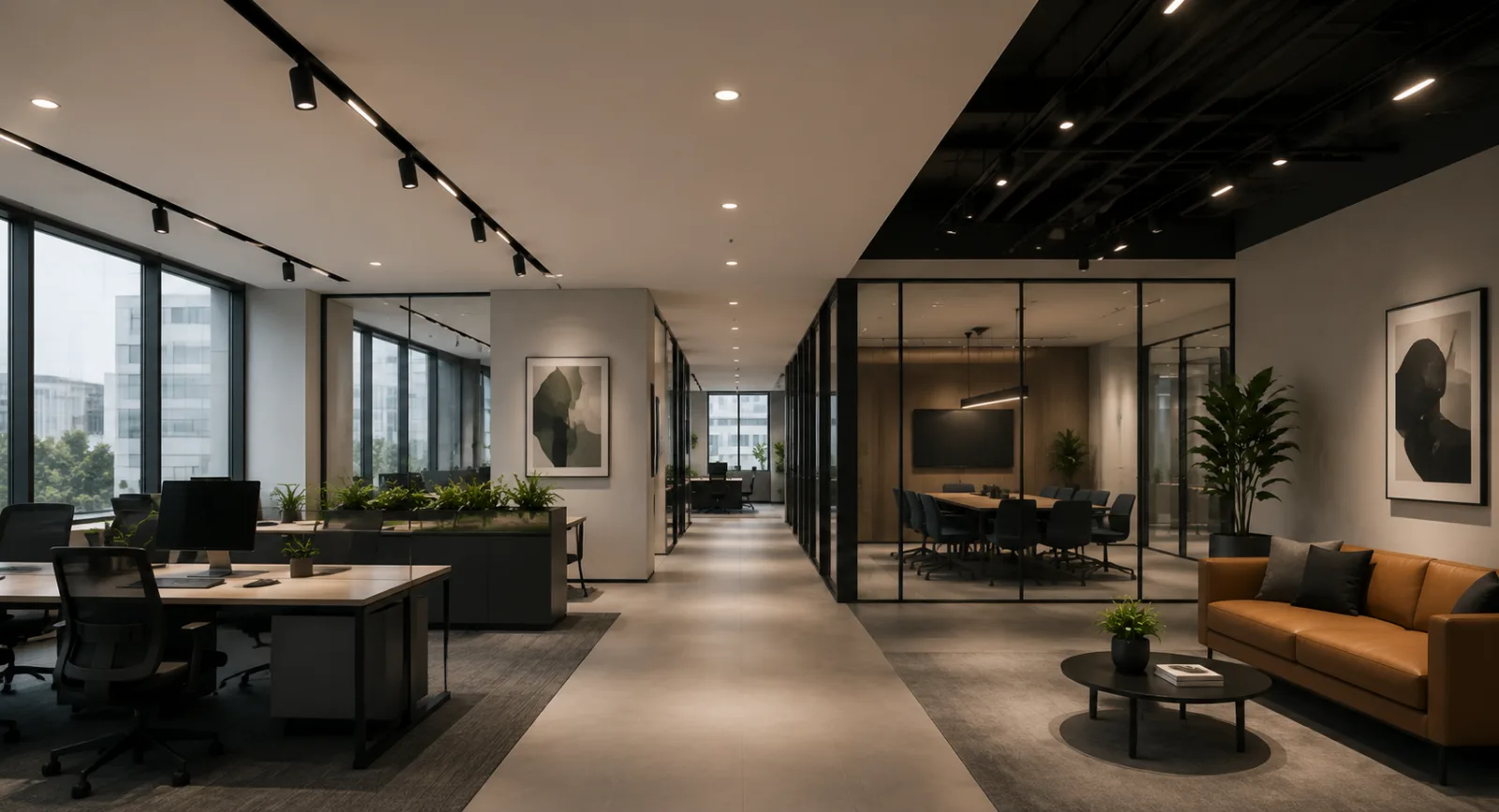
EU EPBD 2024: Automatic Lighting Controls for Commercial Buildings
A practical guide to the lighting-control provisions in the recast EU Energy Performance of Buildings Directive, including timelines, zoning, occupancy detection and retrofit planning.
ISO/CIE 8995-1:2025: New Workplace Lighting Requirements
What the 2025 indoor workplace lighting standard means for illuminance, glare, colour quality, visual comfort and project documentation.
LEED v5: What Changed for Interior Lighting Design
A designer-focused overview of LEED v5 interior lighting priorities, from glare and colour rendering to controls, energy performance and occupant experience.
Bluetooth NLC-to-DALI Gateway: A New Step for Wireless Lighting Control
How standardized Bluetooth Networked Lighting Control and DALI gateways can connect wireless controls with proven luminaire and driver infrastructure.
DALI+ and the Future of Interoperable Smart Lighting
An industry overview of DALI+ wireless and IP-based connectivity, interoperability, certification and what specifiers should evaluate before adoption.
CIE 2025 Colour Quality Guidance: Moving Beyond CRI
Why modern lighting specifications should evaluate colour fidelity, gamut and application context instead of relying on a single CRI number.
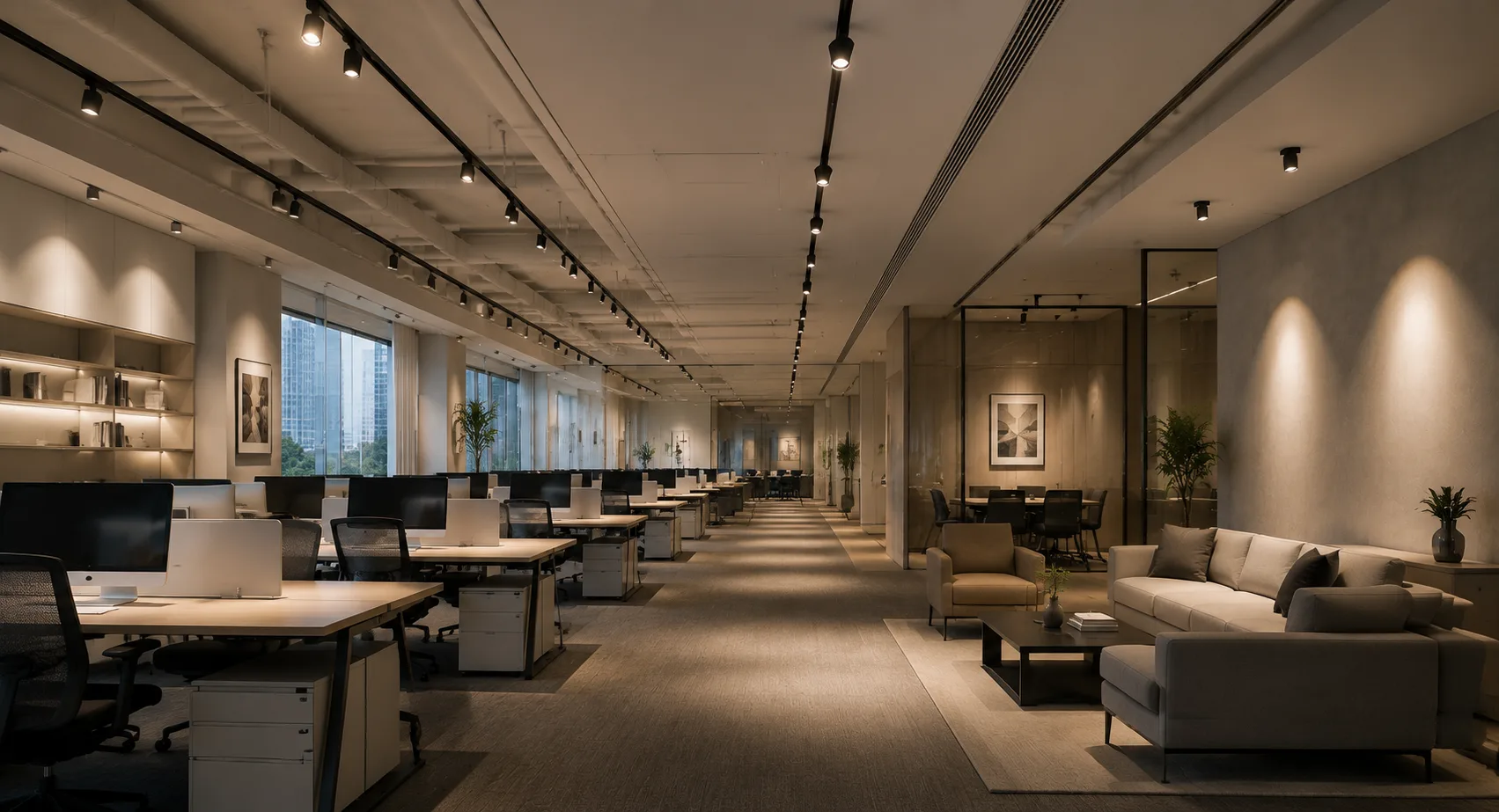
Daylight Glare Assessment Under CIE 252:2024
A practical look at daylight glare assessment, why façade and electric lighting teams must coordinate, and how to validate occupant comfort.

ISO/CIE 10916:2024 and Daylight-Based Lighting Energy Calculations
How daylight utilization can be represented in lighting energy calculations—and why schedules, controls, façades and commissioning determine the real outcome.
EU Sustainable Product Rules: Implications for LED Luminaires
What the EU Ecodesign for Sustainable Products framework could mean for luminaire durability, repair, product data, circularity and procurement.
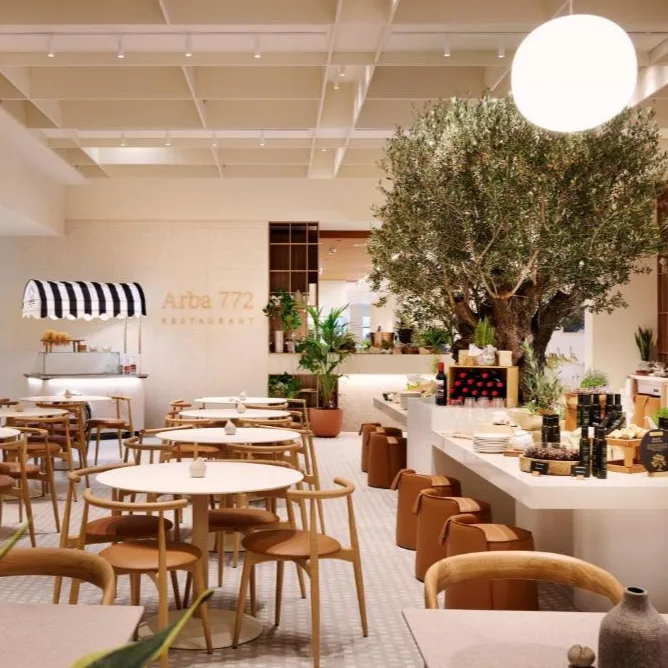
Zero-Emission Buildings: The Role of Efficient Lighting and Controls
How high-efficacy luminaires, daylight, controls and commissioning support the EU transition to zero-emission buildings without compromising visual comfort.
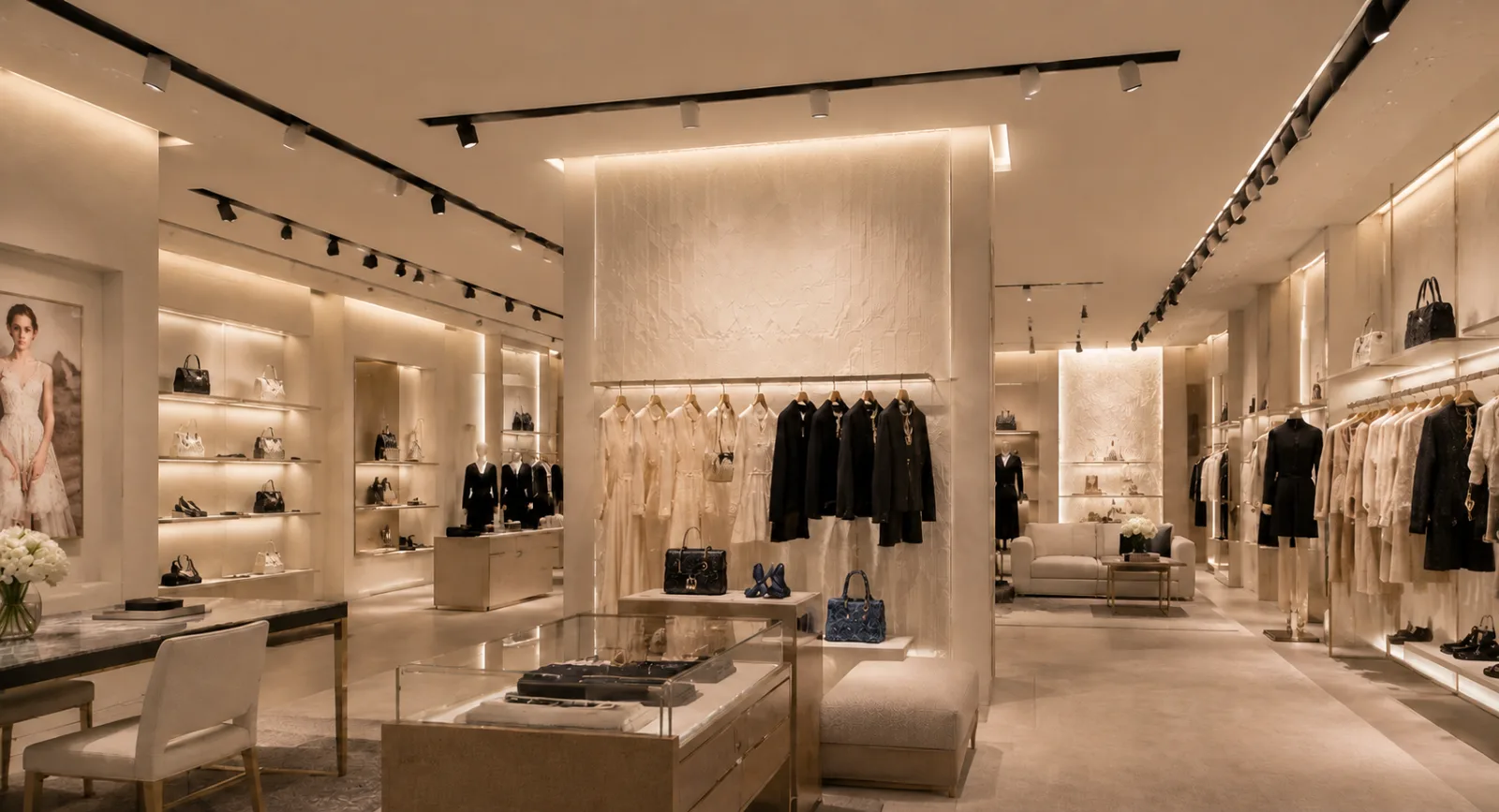
EU Opens EPBD Infringement Procedures in 2026: What Building Teams Need to Know
The European Commission has opened infringement procedures over incomplete EPBD transposition. Here is what the 2026 enforcement step means for commercial buildings, lighting controls and renovation planning.
EU ESPR Enters Implementation in 2026: A Lighting Manufacturer Checklist
The EU Ecodesign for Sustainable Products framework moved deeper into implementation in 2026. Lighting manufacturers should prepare product data, repair information and circular-design evidence now.
Light + Building 2026: Wireless and IP-Based Lighting Take Center Stage
The strongest control message from Light + Building 2026 was clear: interoperable, wireless and IP-based lighting is moving from demonstration to practical building deployment.
Wireless-to-DALI Gateway Certification Arrives: 2026 Specification Guide
New testing and certification specifications for wireless-to-DALI gateways bring Bluetooth NLC, Zigbee and DALI integration closer to dependable multi-vendor deployment.
DALI Lighting Awards 2026: Five Lessons from the Winning Projects
The 2026 DALI Lighting Awards show how D4i, DALI+ and connected controls are delivering measurable value in offices, public spaces, hospitality and complex architectural projects.
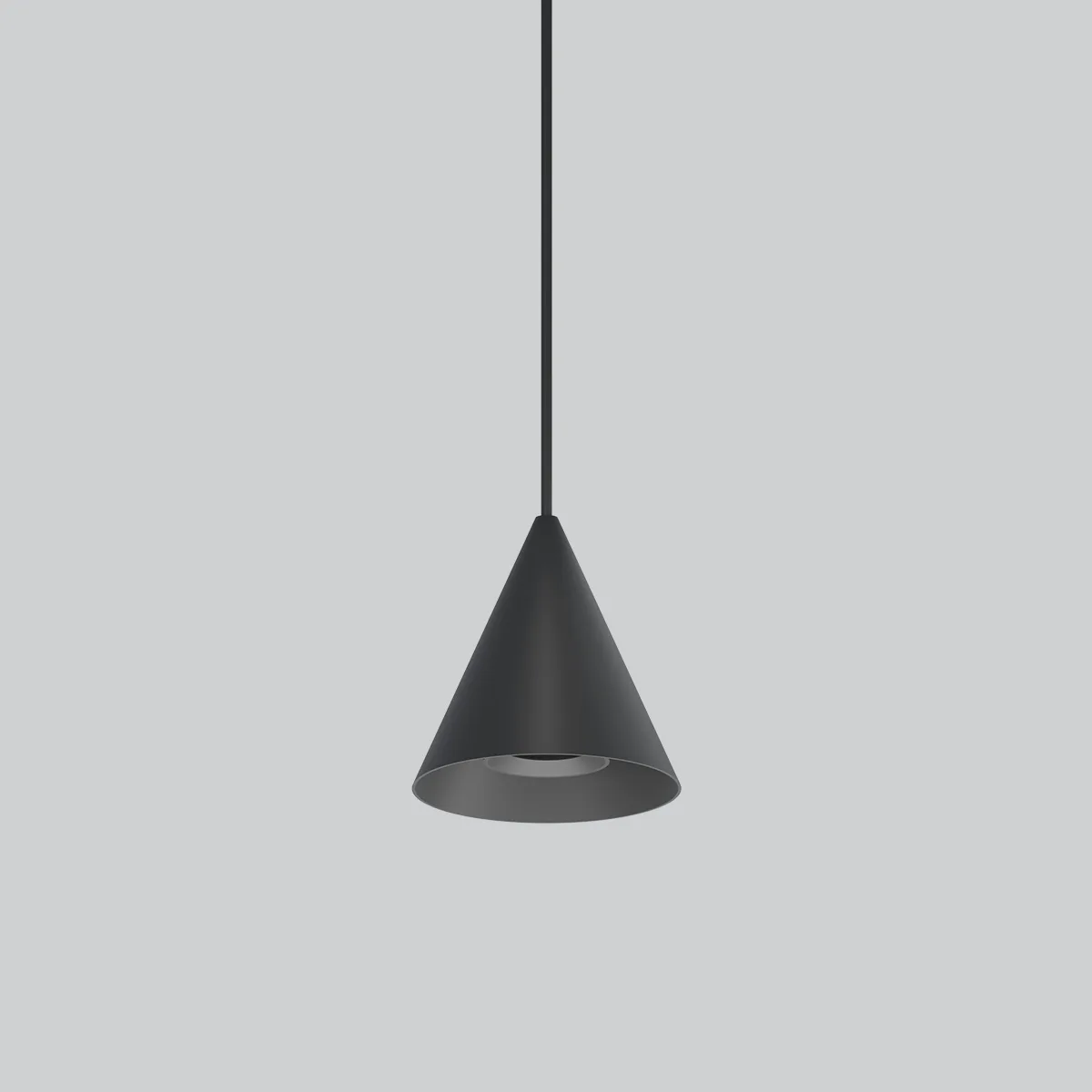
Bluetooth NLC in 2026: Why Networked Lighting Is Scaling Faster
Bluetooth Networked Lighting Control is entering a faster growth phase as multi-vendor interoperability, sensor-rich luminaires and data-driven building services become purchasing priorities.
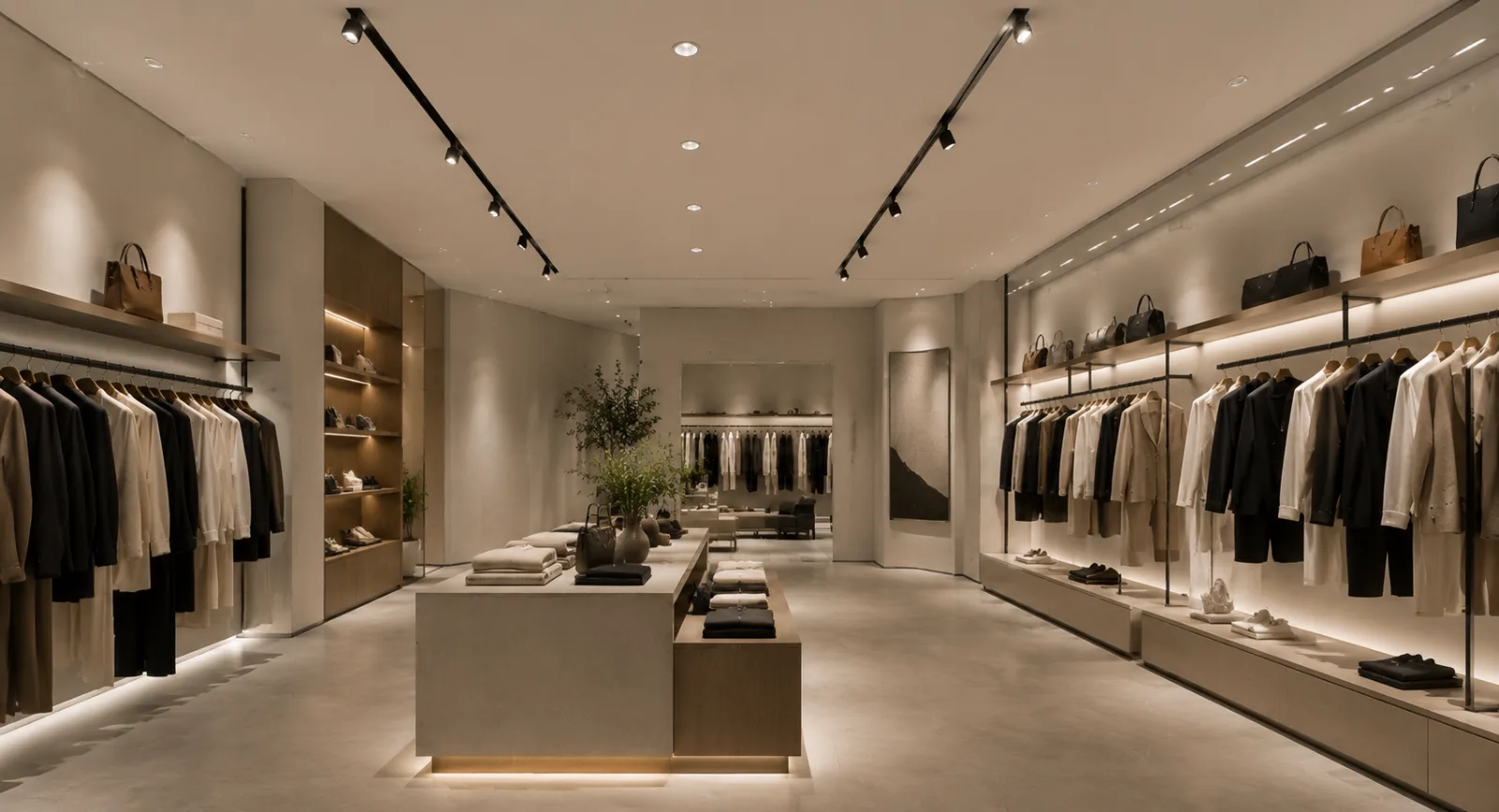
EU Publishes 2026 Building Life-Cycle Carbon Framework: Lighting Implications
The EU's new life-cycle global warming potential calculation framework changes how building teams think about materials, replacement cycles and the long-term carbon impact of lighting systems.
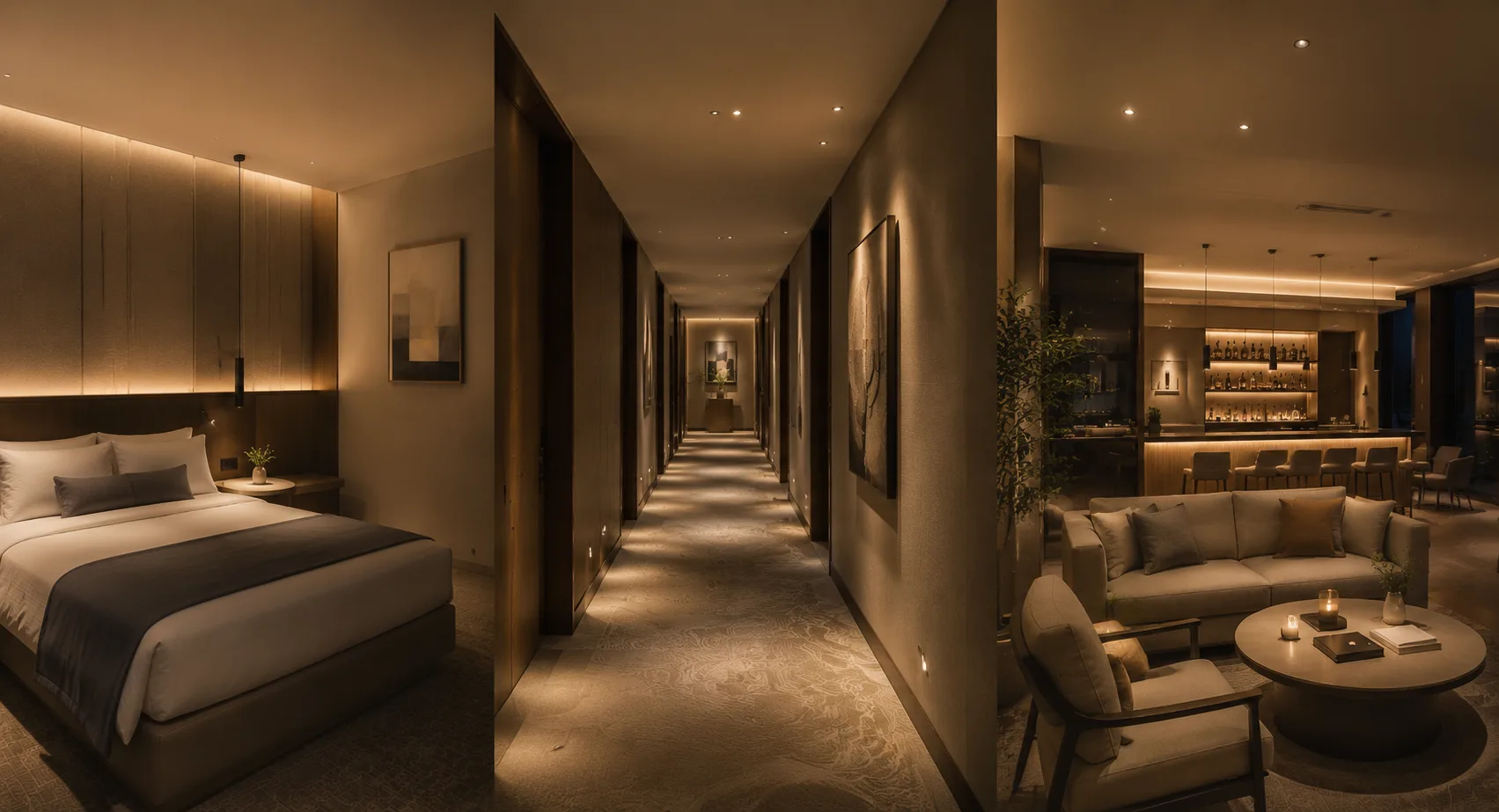
EPBD 2026 Transposition Deadline: Commercial Lighting Control Requirements
The recast EPBD reached its main national transposition deadline in May 2026. Commercial building teams now need to track country-level lighting-control and automation requirements.
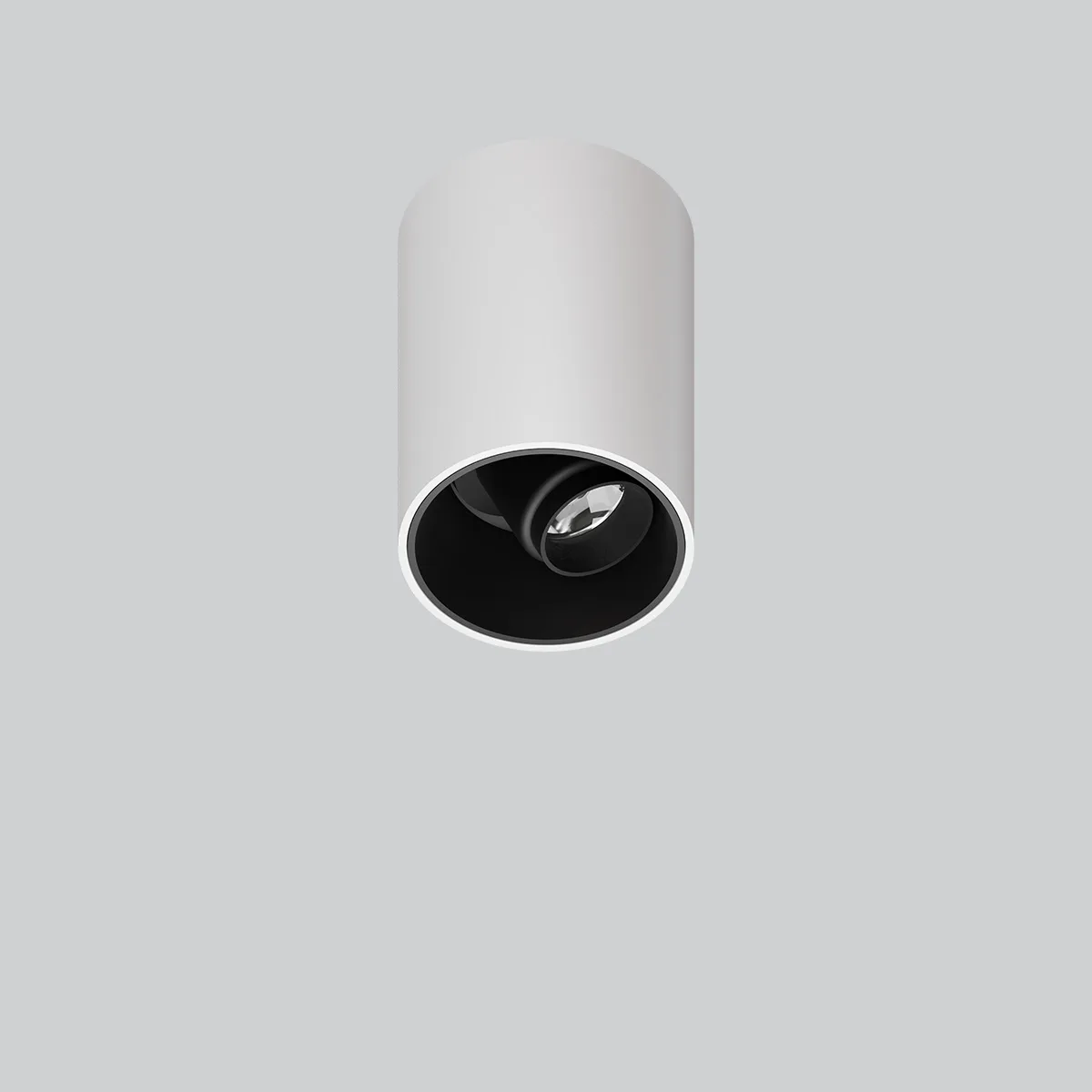
EU Reviews Energy-Efficient Product Rules in 2026: What Lighting Suppliers Should Watch
The European Commission's 2026 simplification review could reshape compliance processes around energy labels and ecodesign while preserving product-performance goals.
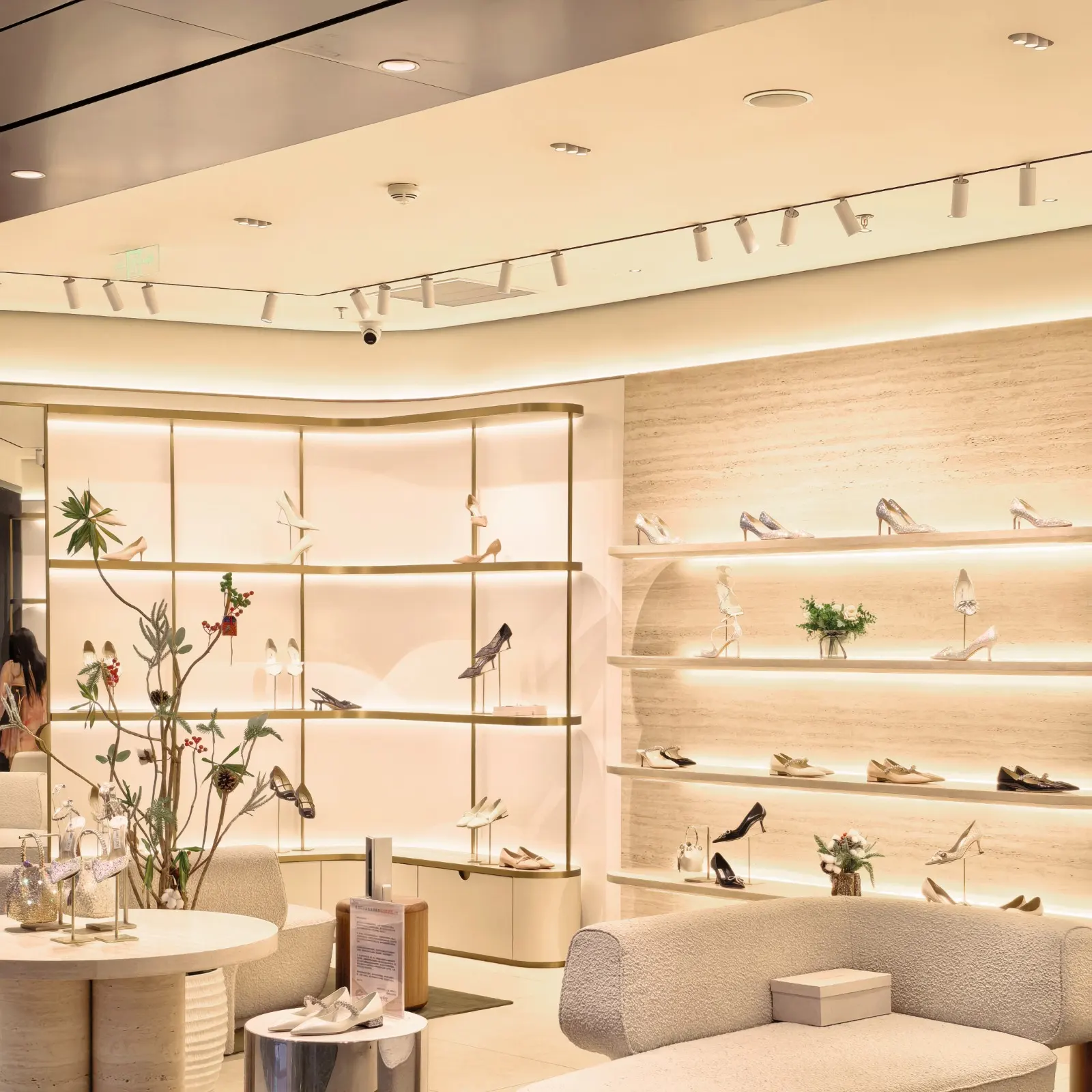
Europe's Post-2030 Energy-Efficiency Framework: 2026 Signals for Lighting
Europe is preparing its post-2030 energy-efficiency framework. The 2026 consultation signals growing demand for verifiable savings, flexible controls and renovation-ready lighting systems.
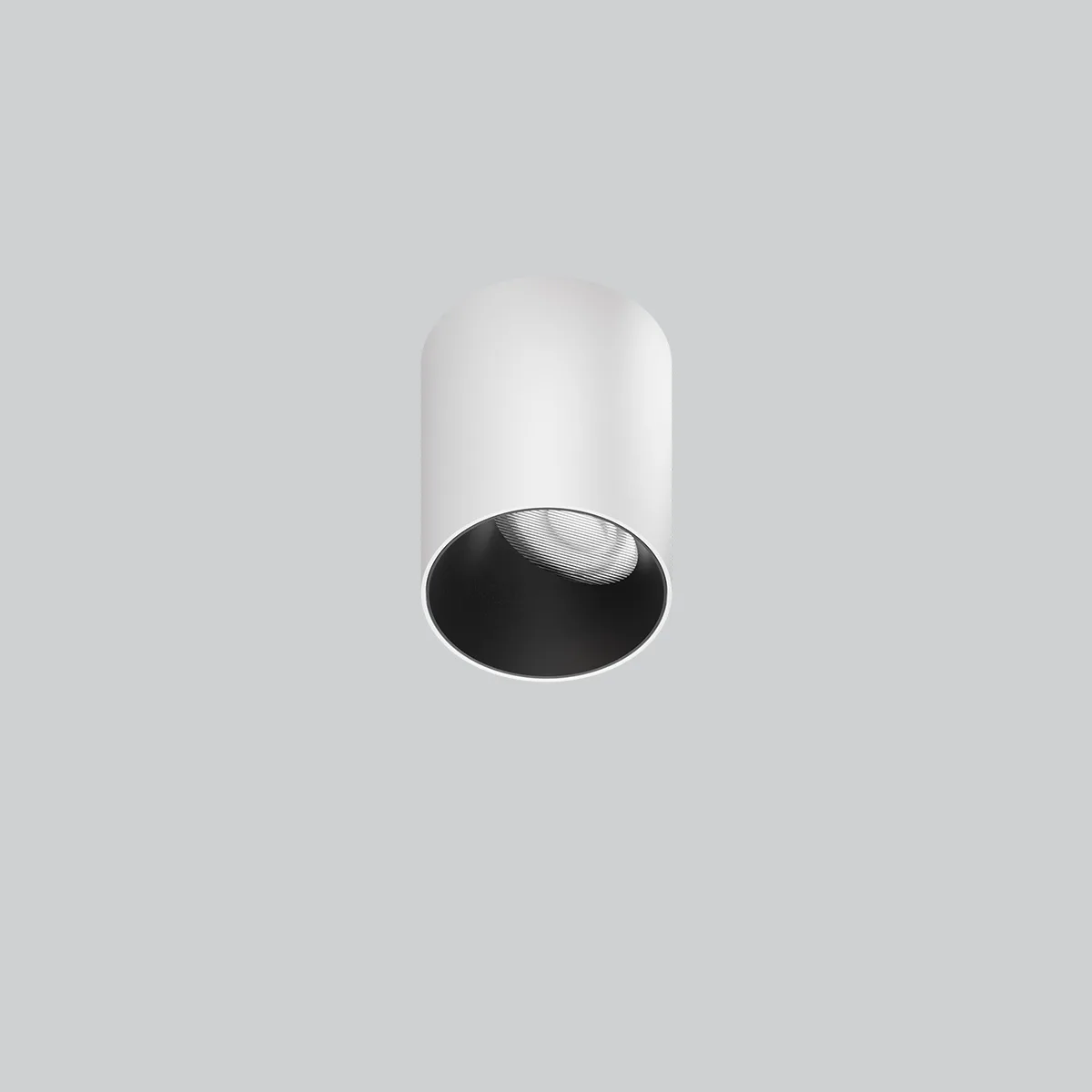
China's Lighting Exports Reach US$8.8 Billion in Early 2026
China's lighting product exports reached approximately US$8.8 billion in January and February 2026, up about 17% year on year. The data shows a strong start—but product and market performance remains uneven.
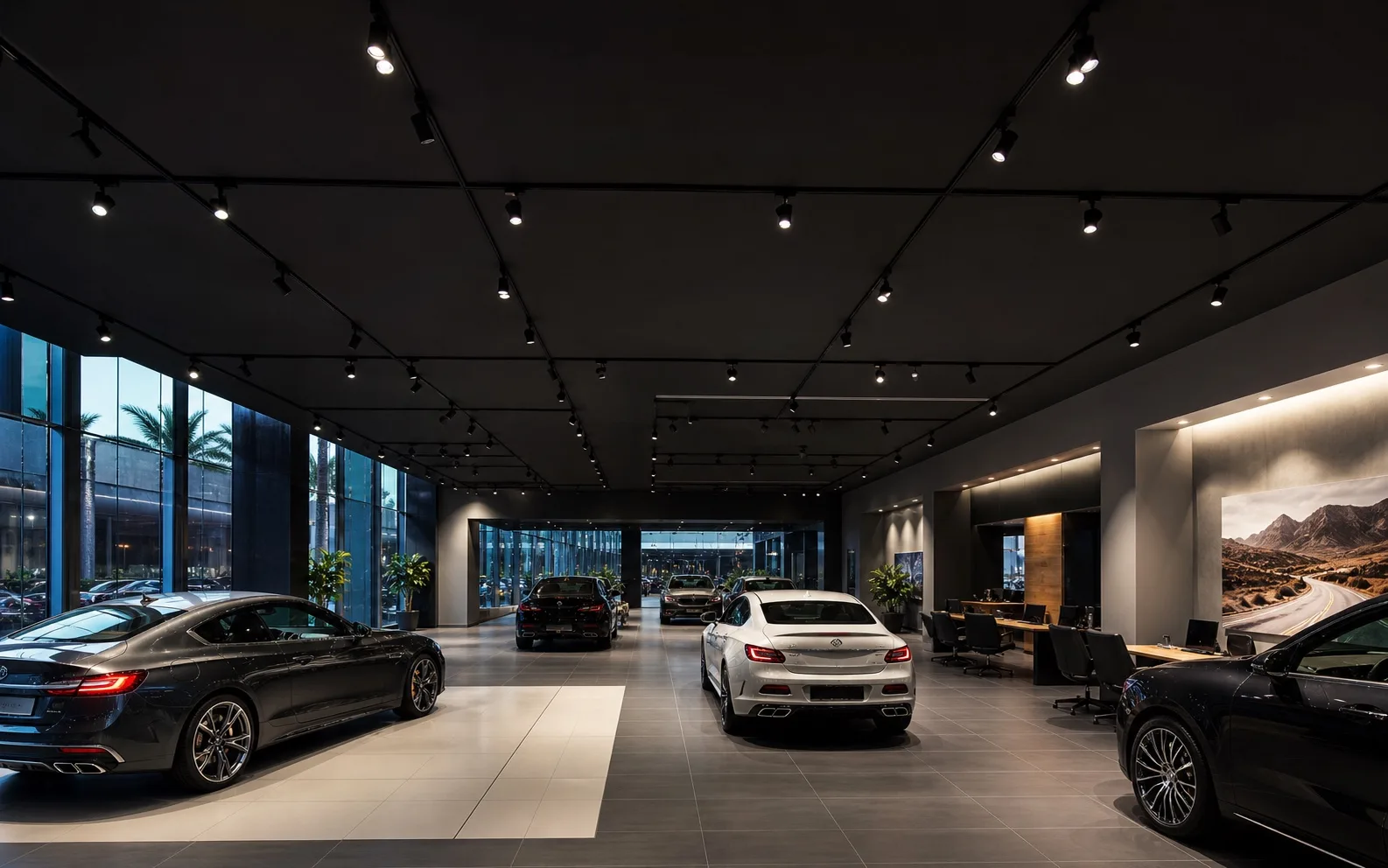
IES Opens Public Review of Revised LP-8 Lighting Commissioning Practice
The Illuminating Engineering Society has opened public review of a complete revision to LP-8, covering commissioning for lighting and control systems.
IES26 Lighting Conference to Focus on Research, Design and Technology
IES26 will take place in Denver from 13 to 15 August 2026, bringing together lighting research, design, technology and professional education.
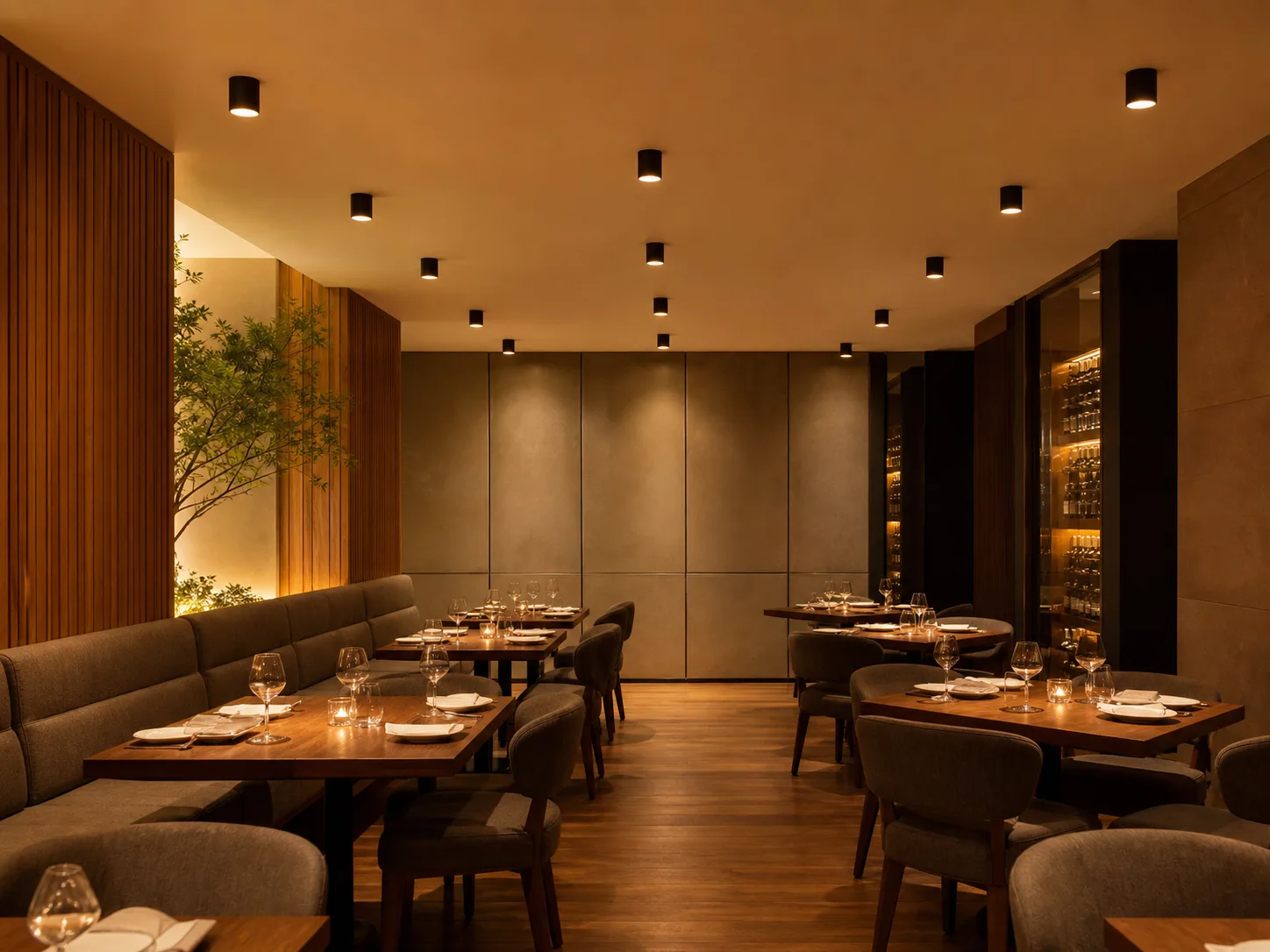
Zhaga Book 26 Reaches First Certified Products for Serviceable Linear LEDs
Zhaga announced the first Book 26 certified connector and luminaire, advancing interoperable and serviceable linear LED systems.
Bluetooth Lighting and HVAC Integration Moves Smart Buildings Beyond Lighting
Bluetooth SIG highlights how Networked Lighting Control can coordinate occupancy data with HVAC systems to support lower energy use and smarter building operation.
2026 Smart Lighting Seminar Highlights DALI, Bluetooth and Matter
The 2026 SUNRICHER Smart Lighting Seminar in Shenzhen brought together DALI, Bluetooth, Matter and Bluetooth Mesh 1.1 discussions for the connected lighting market.
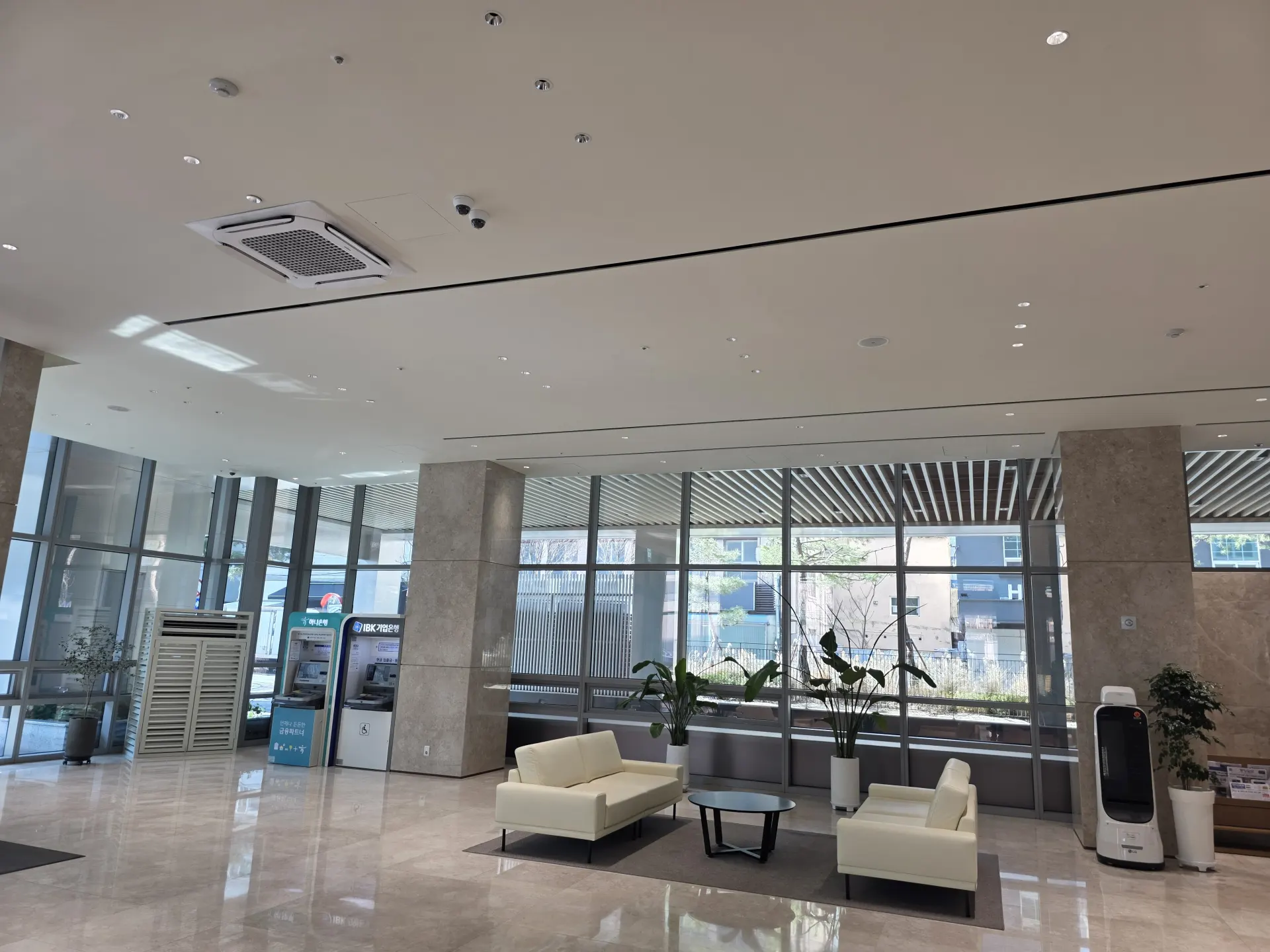
Lighting Standards Explained: EN 12464-1 and Commercial Lighting Requirements
EN 12464-1 defines lighting requirements for indoor workplaces using maintained illuminance, glare, uniformity, colour rendering and related quality criteria. Learn how to apply the standard responsibly in commercial projects.
Artdon News
VIEW ALL →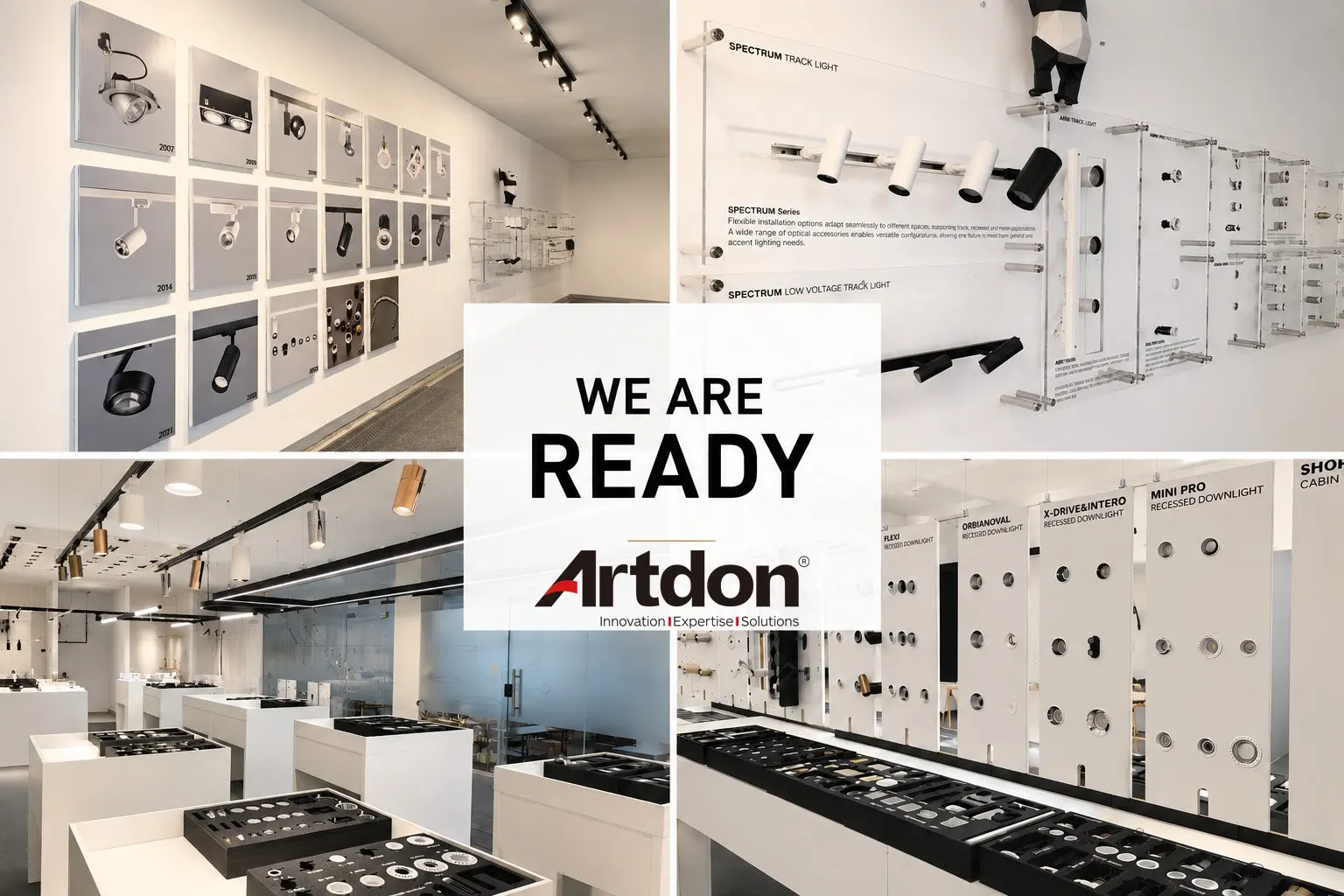
Artdon Unveils Its Newly Renovated Architectural Lighting Showroom
Artdon has completed a major renovation of its architectural lighting showroom, creating a brighter, more structured space for product evaluation, optical comparison and project-focused lighting discussions.
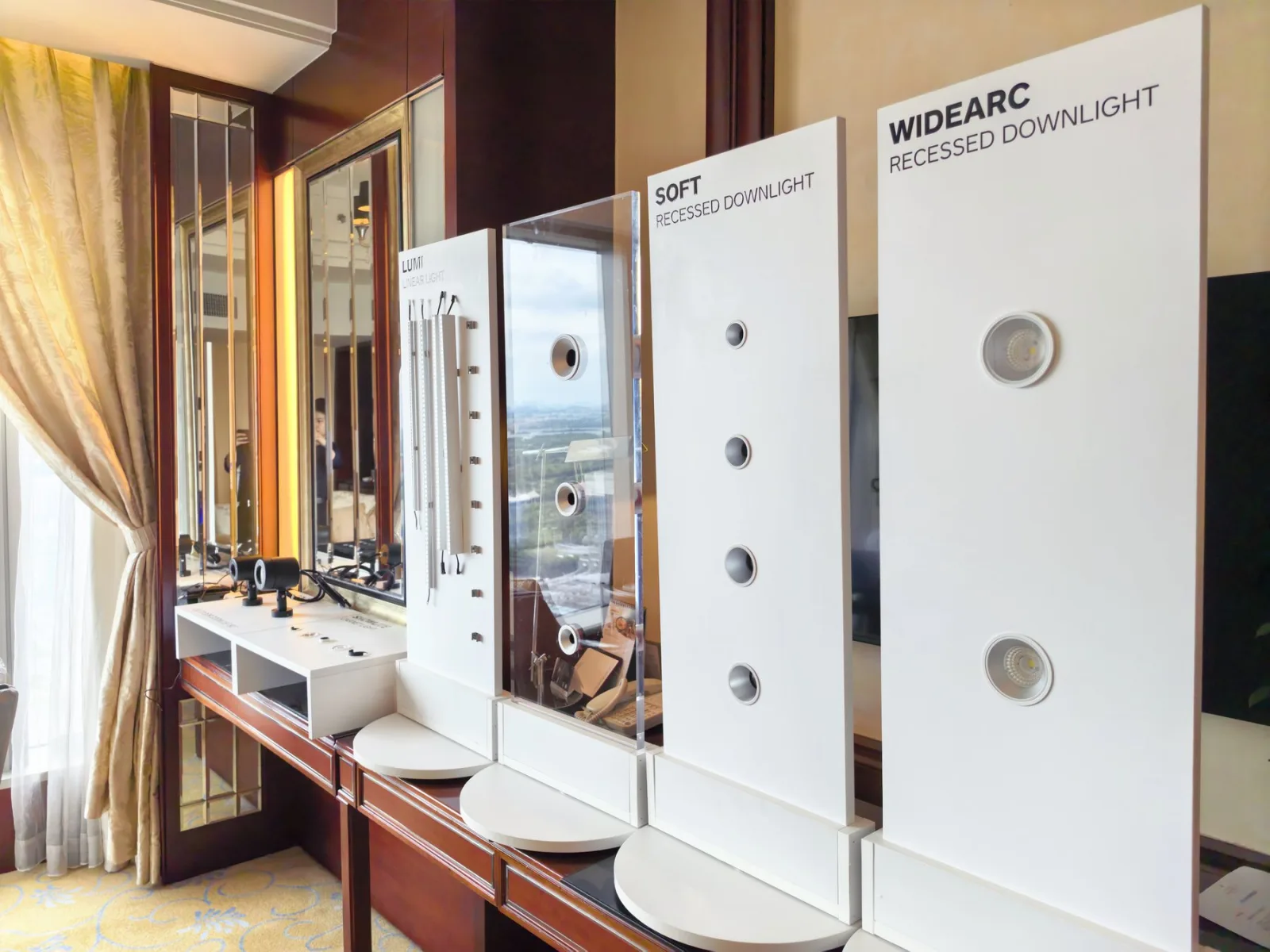
Artdon Hosts a Private Lighting Showcase During GILE 2026
During the 2026 Guangzhou International Lighting Exhibition, Artdon hosted a private product showcase in an executive suite at Shangri-La Guangzhou, creating a focused setting for technical product reviews and partner discussions.
EXPLORE OUR KNOWLEDGE
Let's Discuss Your Lighting Project
Our lighting specialists are ready to help with product selection, technical consultation and customized OEM & ODM architectural lighting solutions.