
KEY TAKEAWAYS
- Machine soldering helps control solder volume and reduce operator-to-operator variation.
- Anti-static handling before chip placement helps lower hidden ESD-related risk.
- A stable soldering process supports more consistent batch production and repeat orders.
- Customers can ask for process video, sample confirmation and batch consistency checks before ordering.
01The Customer Concern: Will the Next Batch Be the Same?
When customers ask whether LED products will remain stable after installation, they are not asking for a slogan. They want to know whether the production process can control the small details that later become quality risks.
For lighting brands, contractors and project buyers, the real concern is not only whether the sample works. The bigger question is whether the next order, replacement batch or project shipment will perform in the same way.
02Why Manual Soldering Creates Hidden Variation
Manual soldering depends heavily on the operator’s hand movement, timing and judgment. Even experienced workers can apply slightly too much or too little solder. Too much solder may create messy joints or unwanted bridging risk. Too little solder may weaken the connection.
For a single sample, manual work may look acceptable. But for repeat production, the challenge is consistency. Customers need a process that keeps solder amount, chip position and contact quality within a controlled range from batch to batch.
03How Artdon Controls Chip Soldering
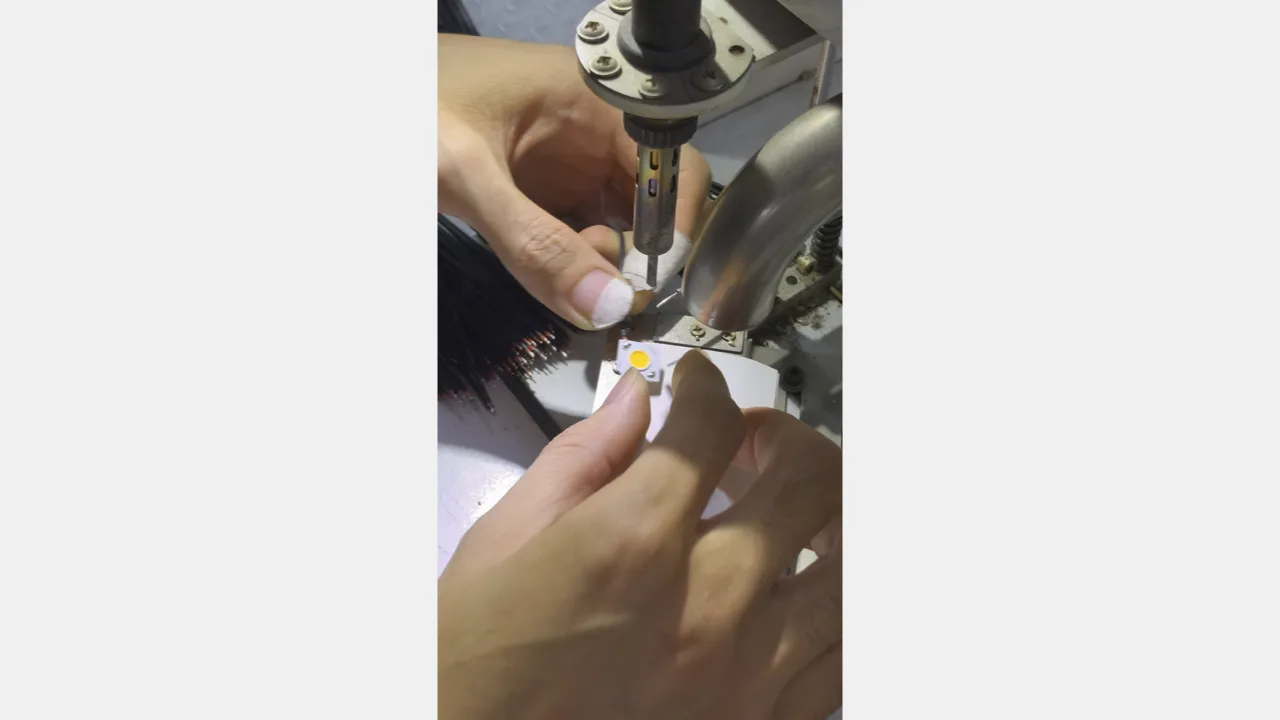
Before handling chips, operators must wear anti-static wrist straps. This helps reduce electrostatic discharge risk when chips are taken, placed and prepared for soldering.
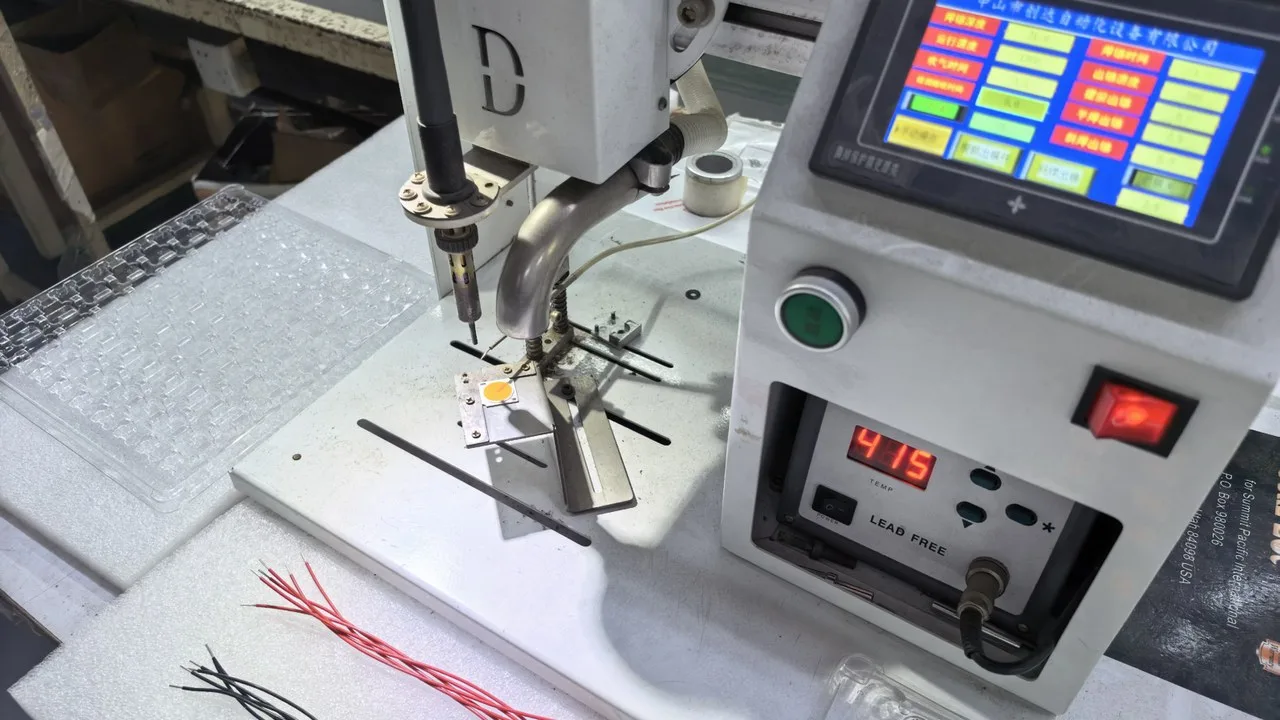
After the chips are positioned and aligned, soldering is completed by machine. Compared with hand soldering, machine soldering gives better control over the soldering point, heating process and repeatability. The process is designed to reduce operator-to-operator differences and keep the finished product more consistent.
Four Quality Checks Before You Trust LED Soldering
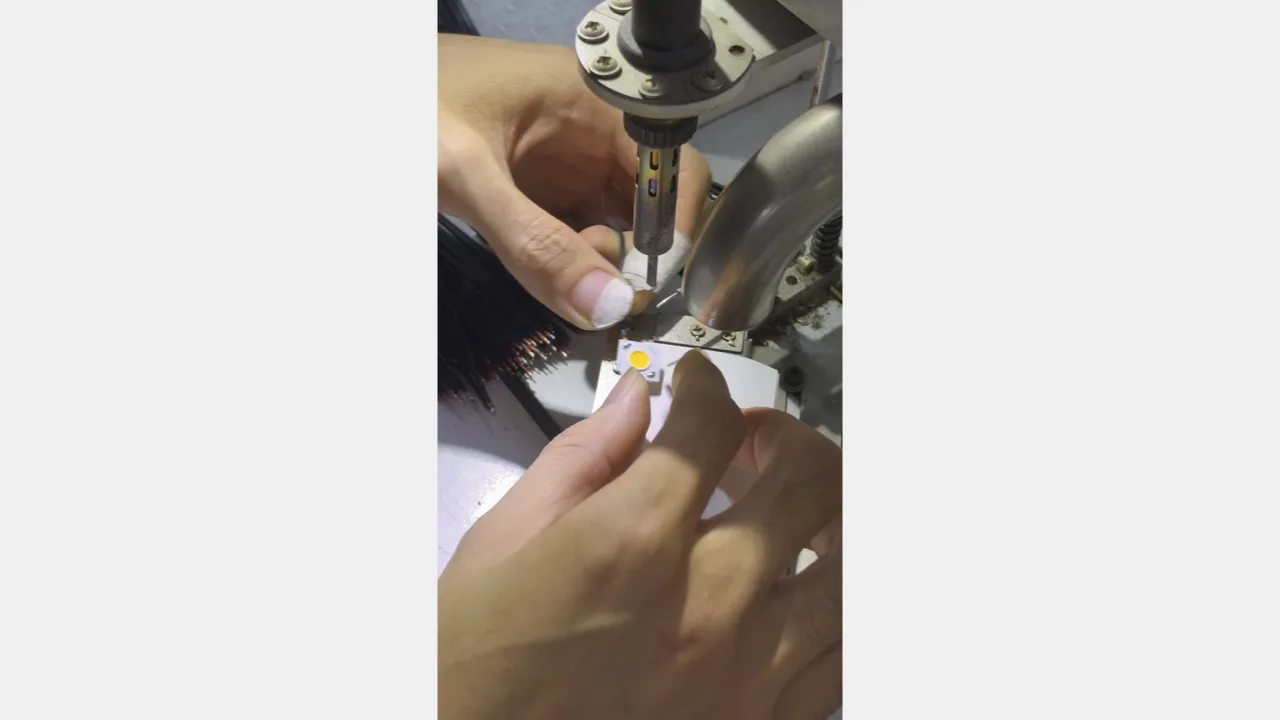
01 Solder Volume
Machine soldering helps avoid too much or too little solder at the chip connection.
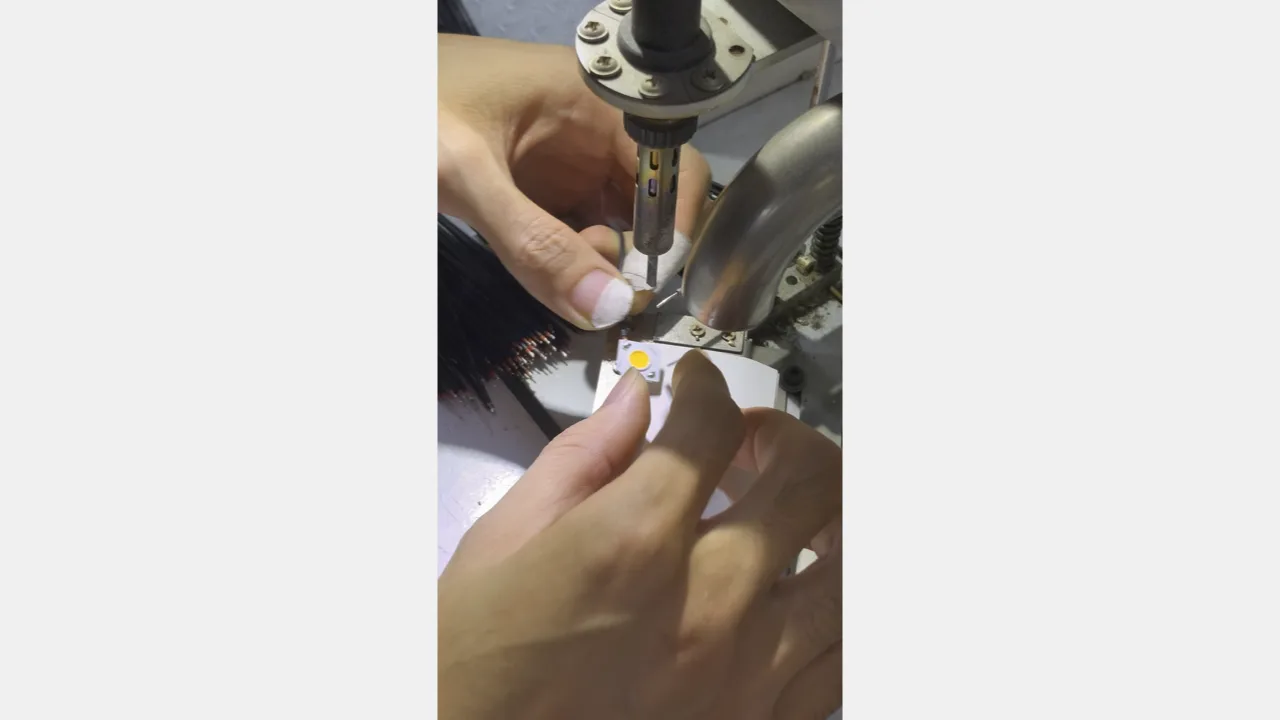
02 Chip Placement
Controlled positioning supports a more consistent electrical and visual result.
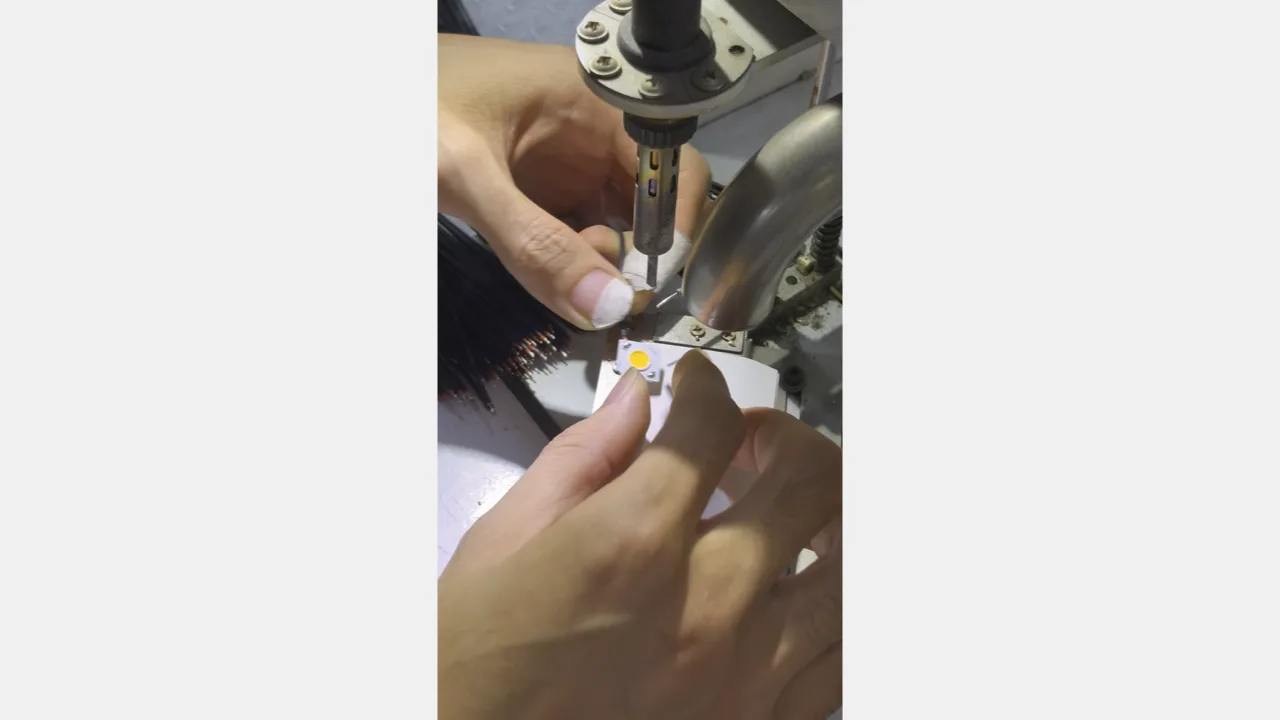
03 Anti-static Handling
Operators wear anti-static wrist straps before handling chips and loading them for production.
04 Batch Stability
Repeatable process control helps reduce hidden variation across project shipments.
04What This Means for Your Project
For customers, the value is practical. More stable soldering helps reduce hidden quality variation, supports more consistent batch production and makes repeat orders easier to control. It also gives project buyers more confidence when the same lighting effect must be maintained across multiple rooms, stores or phases.
This does not mean quality is judged by process alone. Samples, inspection and project requirements still matter. But machine soldering gives the production process a stronger foundation before the product reaches final testing.
Quality Control Points in Chip Soldering
| Quality Point | How It Is Controlled | Why It Matters |
|---|---|---|
| Soldering method | Machine soldering instead of manual soldering | Reduces variation in solder amount and joint quality |
| Operator handling | Anti-static wrist strap before chip handling | Helps protect sensitive LED chips from hidden ESD risk |
| Batch consistency | Standardized placement and soldering workflow | Makes repeat production easier to control |
05What You Can Ask a Supplier to Verify
If you are comparing LED lighting suppliers, ask how the chip soldering process is controlled. Ask whether anti-static handling is required, whether soldering is manual or machine-based, and how batch consistency is checked.
For project orders, Artdon can provide process photos, production video and sample confirmation so customers can see how the product is made before making a final decision.