
KEY TAKEAWAYS
- 24V magnetic track lighting is possible when the complete project load is suitable.
- At the same power, a 24V circuit requires twice the current of a 48V circuit.
- Artdon’s 20-series magnetic track is rated at 10A; 240W and 480W are theoretical values, not recommended operating loads.
- 24V and 48V components must not be mixed on the same powered track circuit.
01Can Magnetic Track Lighting Use 24V?
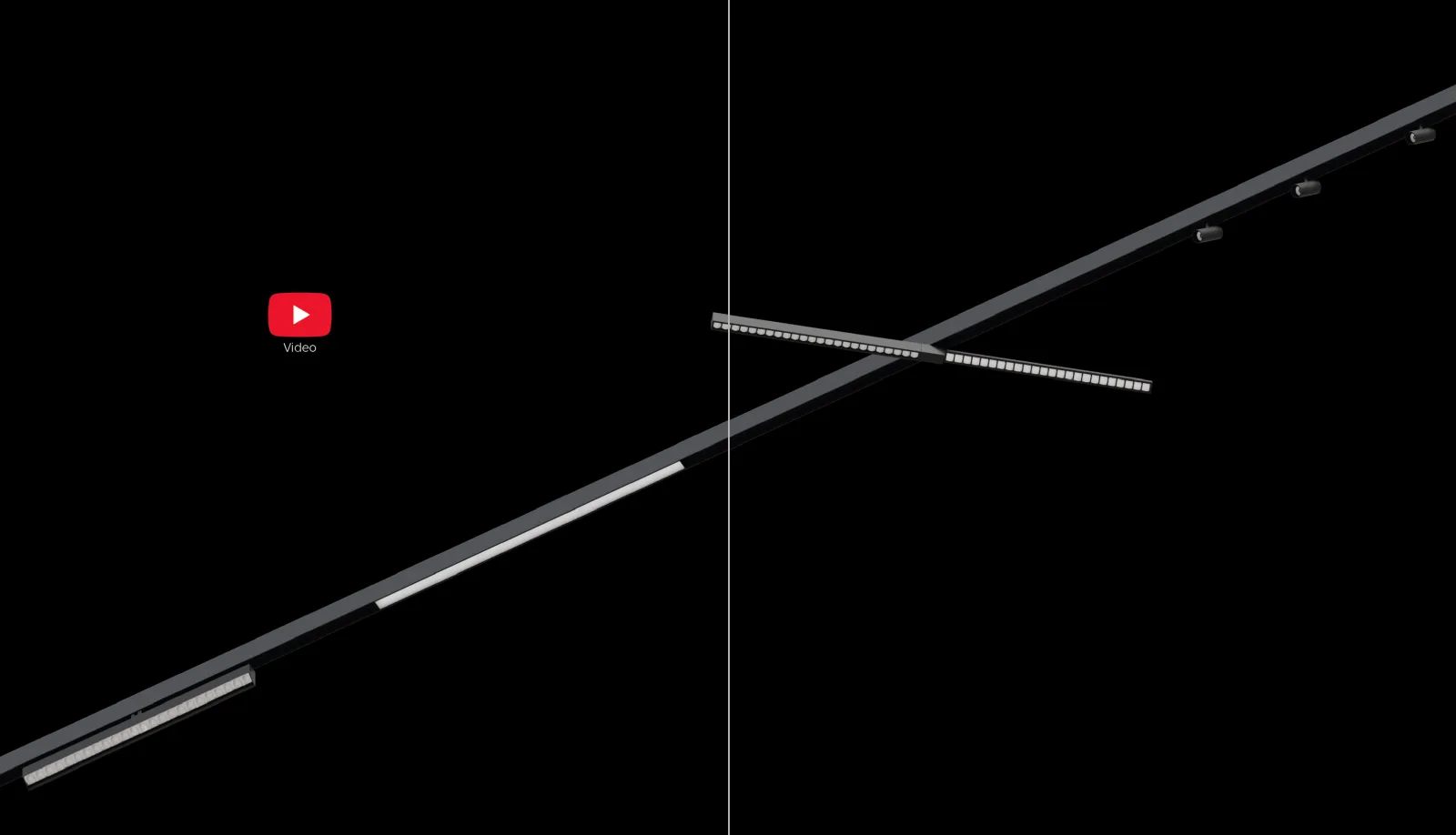
Yes. Artdon can produce a 24V magnetic track lighting system when the project conditions are suitable. The real question is not only whether 24V is possible, but whether it can safely and reliably support the required luminaires, total wattage and track layout.
Compared with 48V, a 24V system requires twice the current to deliver the same power. It may therefore reach the current limit sooner when a project includes many luminaires, longer track layouts or higher-wattage modules. Brightness is not determined by voltage alone; it depends on luminaire wattage, lumen output, efficiency and optical design.
02Why Voltage Changes System Capacity
Electrical power is calculated as Power = Voltage × Current. Artdon’s 20-series magnetic track is rated at 10A. At that current rating, the theoretical electrical power is 240W at 24V and 480W at 48V.
These figures are theoretical calculations, not recommended operating loads. Actual permitted load must also consider the power supply, connectors, wiring, track length, voltage drop, luminaire quantity, controls, installation conditions and an appropriate safety margin. Artdon evaluates the complete project configuration instead of recommending operation at the theoretical limit.
For example, 15 luminaires at 10W create a 150W load. The approximate current is 6.25A at 24V and 3.13A at 48V. The total power is identical, but the 24V circuit requires about twice the current.
24V vs 48V at a Glance
01 24V System
Best considered for compact layouts, lower total loads and compatible existing 24V infrastructure.

02 48V System
Provides the same power at half the current and offers greater capacity for larger layouts.
03 Load Calculation
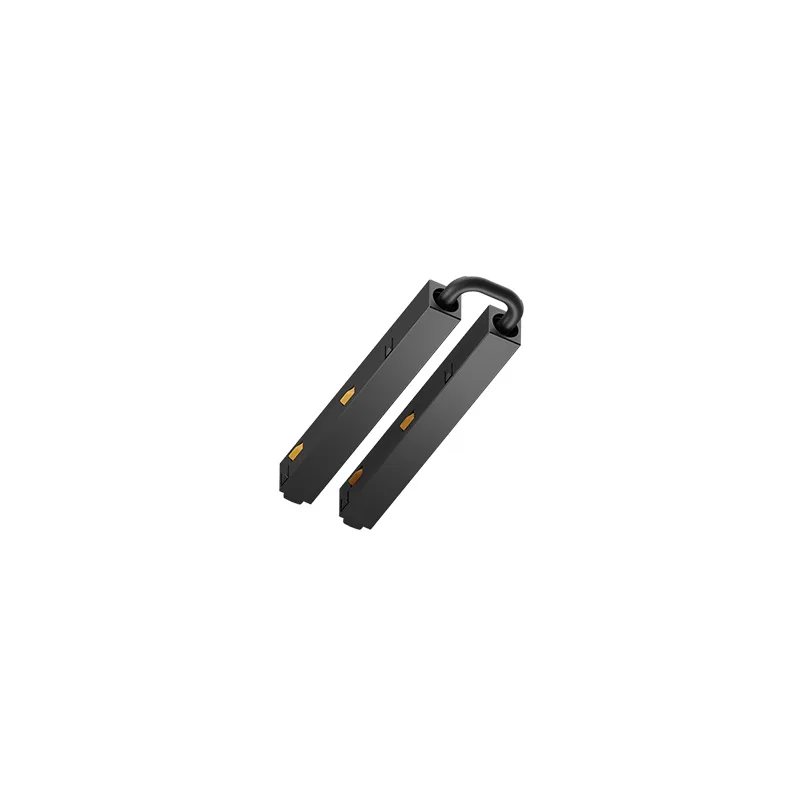
Check luminaire quantity, wattage, track layout, power supply and safety margin together.
04 System Matching
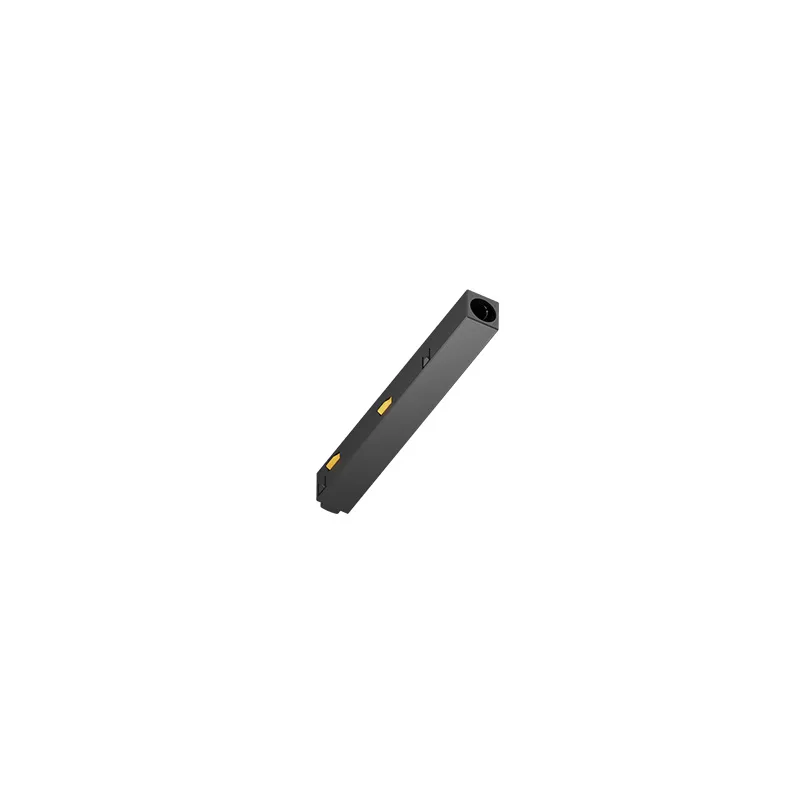
Use one voltage per powered circuit with matching luminaires, power supply and controls.
0324V vs 48V: Compatibility and Selection
One powered magnetic track circuit must use one system voltage only. A 24V system requires a compatible 24V power supply, 24V luminaires and compatible controls. A 48V system requires matching 48V components. Do not connect 24V and 48V power supplies or luminaires to the same powered track circuit. If both voltages are required in one project, design them as separate circuits and check each independently.
A 24V system may suit compact, lower-load layouts, limited luminaire quantities, showcases, furniture lighting or projects that already use a compatible 24V system. A 48V system is generally more suitable for higher total wattage, more luminaires, larger commercial layouts and projects requiring greater expansion flexibility.
04What Artdon Checks Before Confirming 24V
Before confirming a 24V system, Artdon checks the track length and layout, luminaire quantity, wattage per luminaire, total lighting load, power-supply capacity and position, dimming or control method, installation conditions and future expansion requirements.
This project-level review helps reduce the risk of track overload, insufficient power capacity, excessive voltage drop, uneven brightness, unstable dimming, power-supply mismatch and rework after installation. The final configuration should follow the specifications of the complete system rather than the track’s theoretical current calculation alone.
24V vs 48V Project Comparison
| Item | 24V System | 48V System |
|---|---|---|
| Current at 150W | 6.25A | 3.13A |
| Theoretical power at 10A | 240W | 480W |
| Typical project fit | Compact, lower-load layouts | Higher-load or expandable layouts |
05Conclusion and FAQ
Artdon can support 24V magnetic track lighting when the calculated project conditions allow it. For compact and lower-load installations, 24V may be practical. For higher loads, more luminaires or future expansion, 48V generally provides more electrical capacity and flexibility.
FAQ — Is 48V brighter than 24V? Not necessarily. Brightness depends on lumen output, wattage, efficiency and optics.
FAQ — Why can 48V carry more power? At the same current limit, doubling the voltage doubles the theoretical transmitted power.
FAQ — Can 24V and 48V luminaires be used on the same powered track? No. The power supply, luminaires and controls must match one selected voltage.
FAQ — How many lights can be installed on one track? Multiply luminaire quantity by wattage per luminaire, then check the resulting load, current, power supply, layout and safety margin with Artdon.