
KEY TAKEAWAYS
- UGR measures discomfort glare.
- Lower UGR improves comfort.
- Essential for retail.
- Anti-glare optics reduce glare.
- Combine UGR with CRI and beam angle.
01Introduction
Unified Glare Rating (UGR) is an internationally recognised method for evaluating discomfort glare from lighting fixtures. It helps architects and lighting designers create visually comfortable indoor environments.
Glare Control Essentials
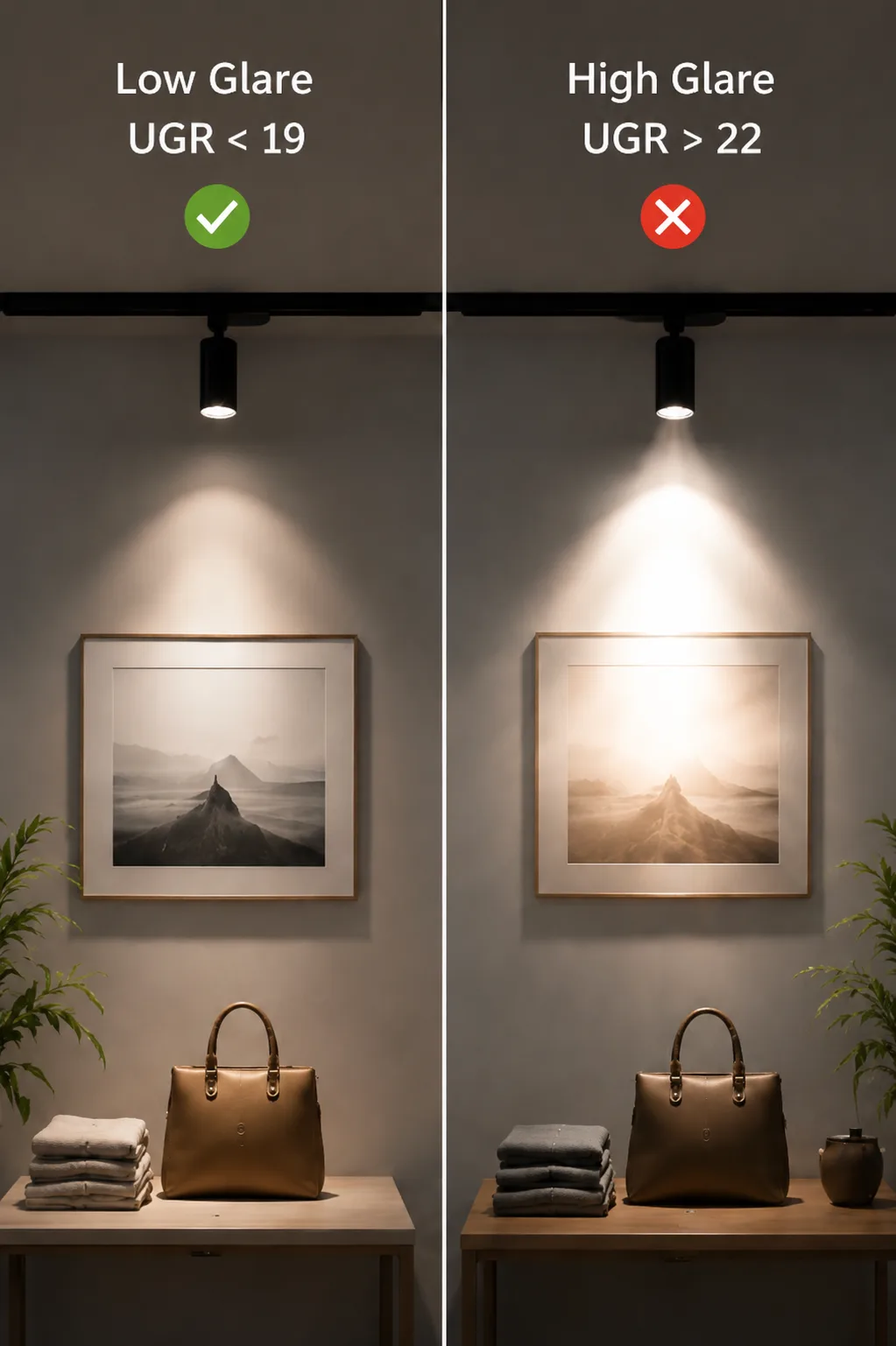
01 Visual Comfort
Lower UGR reduces discomfort glare.
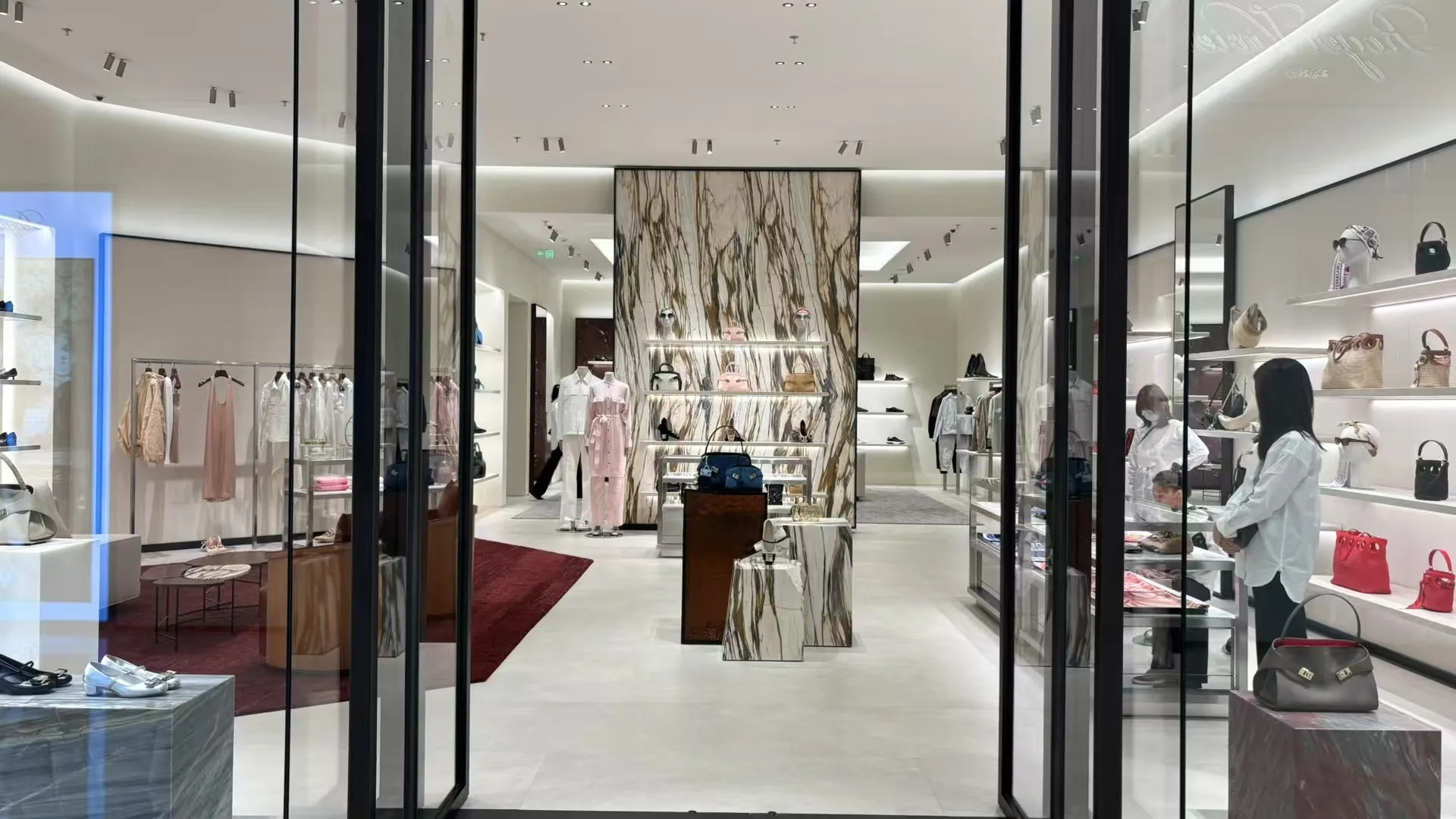
02 Retail
Low glare improves customer experience.
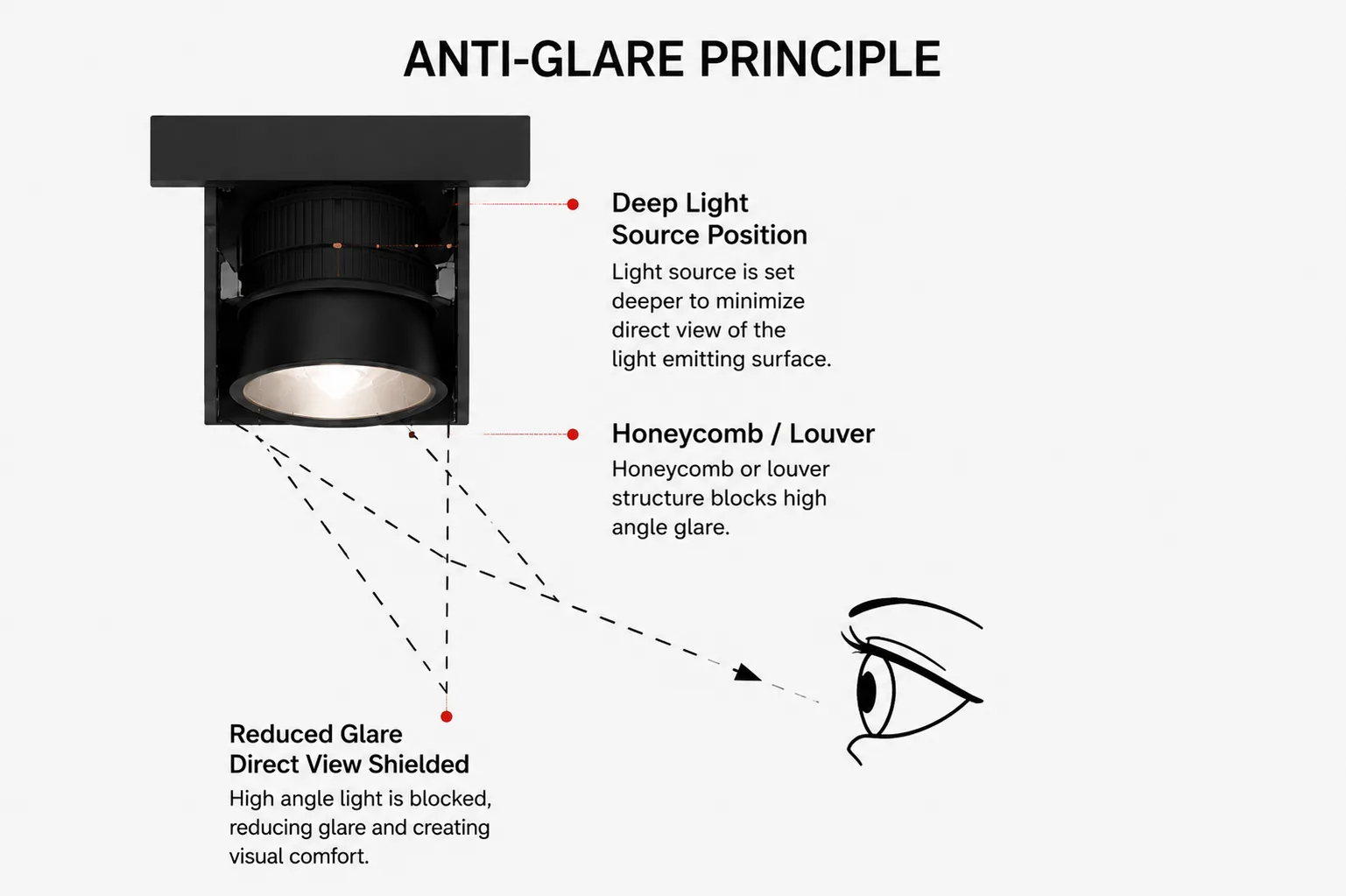
03 Design
Optics and positioning matter.
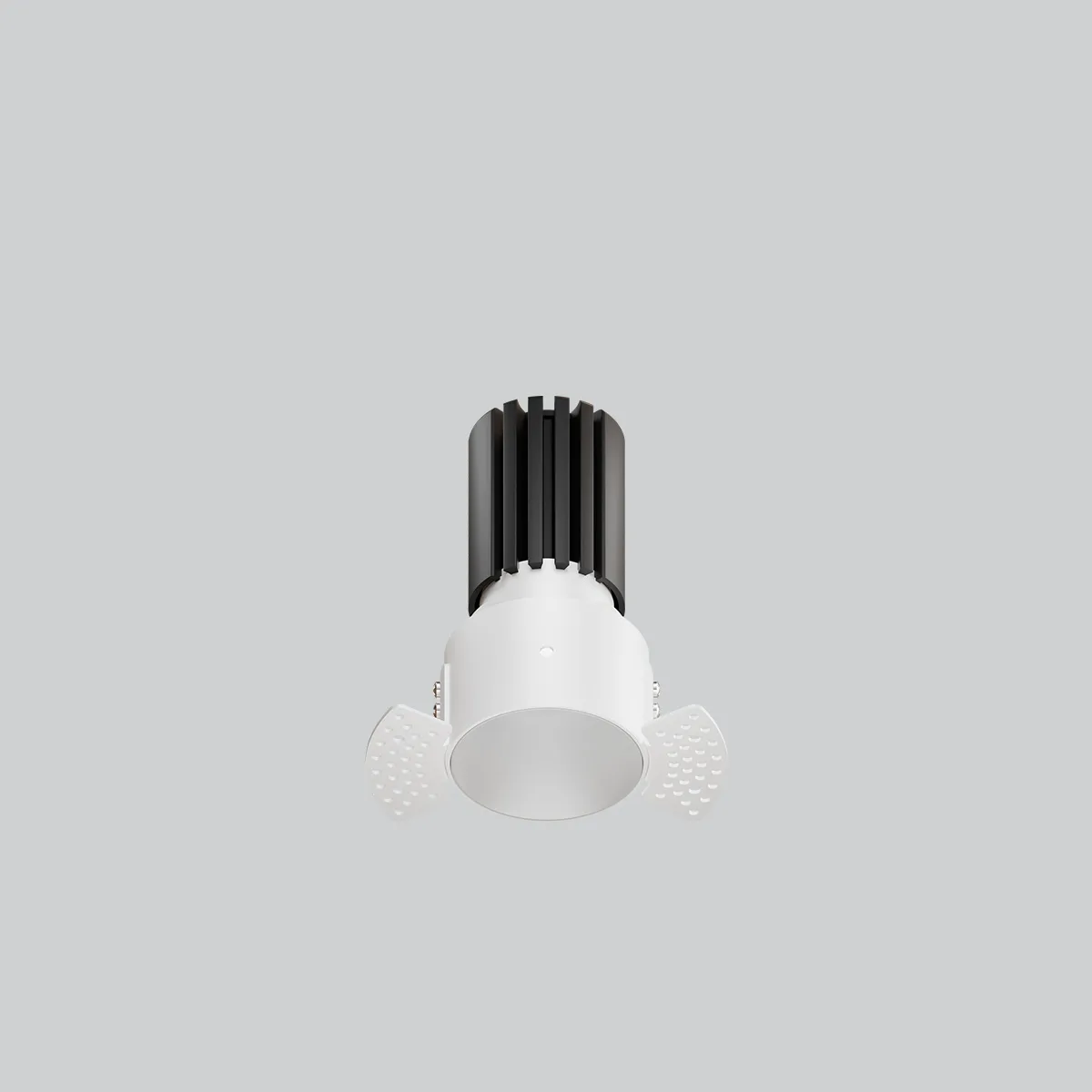
04 Products
SOFT and LITE PRO support anti-glare design.
02What Is UGR?
UGR is a numerical value that estimates how uncomfortable glare from luminaires appears to occupants. Lower values indicate greater visual comfort. Retail spaces commonly target UGR below 19.
Recommended UGR Values
| Application | Recommended UGR | Notes |
|---|---|---|
| Retail | <19 | Comfortable shopping |
| Office | <19 | Visual tasks |
| Showroom | <16-19 | Premium display |
03Why UGR Matters in Retail
Low-glare lighting allows customers to focus on products instead of bright light sources. It enhances shopping comfort and supports premium brand presentation.
04How to Reduce Glare
Use deep recessed optics, anti-glare reflectors, proper beam angles and correct luminaire positioning. SOFT and LITE PRO are suitable options.
05Conclusion
UGR should be evaluated alongside CRI, CCT and beam angle to achieve balanced architectural lighting.